Why Some Allen Roof Replacement Decisions Become More Complicated After Multiple Storm Seasons
Many roof replacement conversations in Allen do not begin because a homeowner suddenly decides a roof has reached the end of its life. More often, the conversation begins after a long period of watching, waiting, comparing, and trying to understand whether the house is actually changing or whether a symptom is simply part of normal aging. A homeowner may remember a hailstorm from one year, a wind event from another, and a small repair from somewhere in between. The roof appears stable enough to leave alone, daily life continues, and nothing seems urgent. Months pass, sometimes years. What eventually creates complexity is not usually a single weather event. It is the accumulation of weather pressure, partial repairs, environmental exposure, and fragmented homeowner recollection that gradually turns a straightforward roofing discussion into a larger investigation of how the house has been responding over time.
In Allen, this pattern is common because roofing systems are exposed to repeated cycles of hail, wind, heat, humidity, rapid temperature changes, and seasonal storms. A roof may successfully withstand one event while quietly carrying evidence from another. Shingles can continue functioning while losing protective granules. Flashing can remain in place while becoming more vulnerable to movement. Ventilation systems can continue operating while attic conditions slowly become less balanced. From the homeowner's perspective, nothing dramatic appears to be happening. From the contractor's perspective, multiple environmental cycles may already be interacting with each other. The challenge is determining whether the roof is experiencing normal aging, cumulative storm fatigue, hidden moisture influence, or a combination of all three.
This is why roof replacement discussions often become evidence-based conversations rather than sales conversations. The objective is not to convince a homeowner that replacement is necessary. The objective is to understand what the house is doing, why it is doing it, and whether continuing environmental exposure is creating conditions that make future problems more likely. The answer is often discovered through inspection, documentation, chronology reconstruction, attic evaluation, and environmental analysis rather than through a quick view from the driveway. When multiple storm seasons have passed, the roof's current condition usually tells only part of the story. The rest of the story is often hidden inside the sequence of events that brought the house to its present condition.
Homeowner Delay And Partial Normalization
One of the most common patterns seen before a roof replacement discussion is not neglect. It is normalization. A homeowner notices something unusual, monitors it for a while, and gradually becomes accustomed to its presence. The symptom may be small enough that immediate action feels unnecessary. A faint ceiling stain appears after a storm and then seems unchanged for months. A section of shingles looks slightly different than surrounding areas but never appears dramatic enough to justify major concern. A room feels warmer during summer afternoons, but the HVAC system continues keeping the house comfortable enough. Because the house remains functional, the homeowner adapts around the uncertainty.
This adaptation behavior is important because it often changes how roofing timelines are remembered. Homeowners rarely experience roof deterioration as a continuous process. Instead, they remember isolated events. They remember the storm. They remember a repair visit. They remember a conversation with insurance. They remember seeing water once. The periods between those events frequently become compressed in memory. What felt like a few months may actually have been two years. What felt like a single recurring issue may actually have involved multiple unrelated environmental events. By the time a replacement discussion begins, the roof's history often needs to be reconstructed before meaningful decisions can be made. That homeowner-recognition pattern is examined more closely in When a Small Roof Concern Becomes Worth a Second Look in Allen.
A homeowner may also experience comparison fatigue. One contractor recommends repair. Another recommends replacement. Online research introduces additional uncertainty. The roof does not appear to be actively leaking at that moment, which makes waiting seem reasonable. Every month without a major incident reinforces the belief that immediate action may not be necessary. This is not irrational behavior. It is a normal response to incomplete information. Most homeowners are not roofing specialists, and many roofing symptoms do not provide clear answers when viewed from inside the house. A stable-looking ceiling does not automatically indicate a stable roofing system.
The house itself often contributes to this uncertainty. Roofing systems rarely fail in a perfectly visible manner. Water may enter in one location and become visible somewhere else. Ventilation imbalance may influence attic conditions long before visible interior damage develops. Flashing movement may permit occasional moisture intrusion without creating obvious staining. Because the relationship between cause and effect is not always visible, homeowners frequently evaluate roofing conditions using the information available to them. Unfortunately, the information available inside the living space is often incomplete.
Visible Symptoms Versus Original Entry Points
One reason replacement decisions become complicated is that visible symptoms are frequently disconnected from their original source. A homeowner may discover a stain above a bedroom and naturally assume the roofing condition exists directly above that location. During inspection, evidence may suggest the moisture originated much farther upslope. Water can follow decking surfaces, framing members, insulation pathways, and structural transitions before becoming visible inside a room. The location where a symptom appears and the location where a problem began are often different places.
Contractors frequently slow down around these situations because rushing to conclusions can create incorrect recommendations. A stain alone does not automatically identify the cause. The inspection sequence often includes roof slopes, flashing systems, penetrations, gutters, attic conditions, ventilation behavior, and moisture indicators before recommendations are developed. What appears simple from the living room can become significantly more complex when the full building system is evaluated. This is particularly true after multiple storm seasons, when several potential contributing factors may exist simultaneously.
Attic evidence frequently reveals this disconnect. The room below may appear mostly normal while the attic shows decking discoloration, compressed insulation, elevated humidity indicators, or signs of historical moisture migration. The room and the attic are effectively telling different stories. Homeowners understandably trust what they can see. Contractors must evaluate what the hidden portions of the structure are showing as well. Roof replacement discussions often become more detailed because hidden evidence does not always match visible conditions.
Storm Timing And False Confidence
Another source of normalization occurs when enough time passes after a storm without obvious consequences. A hail event occurs. No active leak develops. Months pass without visible damage. Confidence increases. The absence of immediate symptoms becomes evidence that the roof survived without meaningful impact. Sometimes that conclusion is correct. Other times, environmental progression simply has not yet reached a stage where symptoms are easy to recognize.
Repeated weather exposure can magnify this problem. A roof that sustained moderate storm-related aging may continue functioning through additional heat cycles, wind events, and seasonal expansion-contraction movement. The original weather event fades from memory while the roofing system continues carrying its effects. When a later symptom appears, homeowners often associate it with the most recent event rather than the broader environmental timeline. The result is fragmented recollection. Understanding what actually happened requires reconstruction rather than assumption. For a step-by-step chronology of the roof concern, see Reconstructing a Roof Concern One Verified Event at a Time.
This is one reason experienced inspectors ask homeowners questions that initially seem unrelated to the current symptom. Questions about previous storms, repairs, insurance interactions, attic observations, HVAC performance, or recurring moisture concerns help rebuild chronology. The goal is not simply to identify damage. The goal is to understand how the house has been responding to environmental pressure across time. Replacement decisions become clearer when chronology becomes clearer. Until then, uncertainty often remains high.
Repeated North Texas Weather Pressure
Allen roofing systems operate within an environment that rarely allows complete isolation from weather influence. Even when a major storm is absent, environmental forces continue affecting the building envelope. Summer heat expands materials. Seasonal cooling contracts them. Humidity levels fluctuate. Wind-driven rain follows different paths than vertical rainfall. Small vulnerabilities that appear insignificant during one season may become more important during another. The result is an accumulation process rather than a single-event process.
This accumulation is often misunderstood because weather damage is commonly associated with dramatic events. Homeowners remember hailstorms because hail is visible. They remember strong winds because debris is obvious. They remember active leaks because water inside the home creates immediate concern. What they may not see are the quieter environmental influences that continue between major events. Heat exposure affects shingle aging. Ventilation performance affects attic temperatures. Moisture retention influences drying cycles. Small movements within flashing systems may gradually alter how water behaves around vulnerable transitions. For the weather-history side of that analysis, see Reading a Roof’s Weather History Without Mistaking Timing for Cause.
Over multiple storm seasons, these factors begin interacting. A roof does not experience hail separately from heat. It does not experience wind separately from humidity. The environmental history of the house becomes cumulative. Previous repairs interact with current conditions. Aging materials respond differently than newer materials. Areas exposed to repeated weather pressure may perform differently than protected sections of the same roof. Because every house carries its own environmental history, replacement decisions often require individualized investigation rather than generalized assumptions.
Homeowners frequently encounter repair fatigue during this stage. One repair appears successful. Another issue emerges later. A different section begins showing signs of wear. The roof remains functional, yet confidence in long-term stability gradually decreases. At some point the discussion shifts from whether a repair is possible to whether repeated repairs continue making practical sense. That transition is rarely caused by a single observation. It is usually caused by the accumulation of evidence across multiple seasons, inspections, and environmental cycles.
The challenge is that environmental accumulation often progresses quietly. A roof can appear stable while hidden systems continue changing. Drying cycles can create temporary confidence. A period without rain can create the impression that moisture concerns have disappeared. A successful patch can create the impression that underlying conditions have been fully resolved. Temporary stabilization is important, but stabilization and resolution are not always the same thing. One of the most important questions during a roof replacement evaluation is whether the house is stable because conditions have been corrected or stable because reactivation conditions have not yet returned.
Contractor Inspection Interpretation
By the time a homeowner begins seriously considering roof replacement, one of the most important transitions is moving from assumption-based conclusions to inspection-based conclusions. Many replacement discussions become complicated because the visible evidence and the actual evidence are not identical. Homeowners understandably evaluate roofing conditions through what they can see from the ground, from windows, or from inside living spaces. Contractors evaluate the roof as a connected system. The inspection process is designed to determine whether isolated symptoms represent localized conditions, cumulative deterioration, environmental progression, previous repair limitations, or broader system fatigue. Without that distinction, recommendations can become inaccurate.
A contractor rarely reaches a replacement recommendation by looking at one shingle, one stain, or one photograph. The process normally follows a sequence. Roof slopes are evaluated. Flashing conditions are documented. Penetrations are inspected. Gutters and drainage behavior are reviewed. Evidence of weather exposure is compared across elevations. Attic conditions are evaluated when necessary. Interior observations are compared against exterior findings. The goal is not merely identifying damage. The goal is understanding how multiple observations relate to one another. When several storm seasons have passed, relationships
between observations become more important than any single observation by itself. For a closer look at contractor evaluation and explanation, see How to Interview Roof-Replacement Contractors With Evidence in Hand.
This sequencing matters because roofing systems rarely communicate clearly through one symptom. A homeowner may be focused on a visible ceiling stain while the more significant evidence exists in attic ventilation behavior. Another homeowner may be concerned about missing shingles while hidden moisture patterns indicate a separate concern. In some cases, visible deterioration looks severe but the underlying structure remains relatively healthy. In other cases, visible conditions appear modest while attic evidence suggests long-term environmental influence. Inspection interpretation exists to prevent decisions based solely on whichever symptom happens to be easiest to notice.
One common pattern involves homeowners who have already completed previous repairs. A repair may have been appropriate at the time it was performed. The existence of a prior repair does not automatically indicate that replacement is unnecessary today. Environmental conditions continue evolving after repairs are completed. Materials continue aging. Additional weather exposure occurs. New vulnerabilities may develop around unrelated components. Contractors often spend significant time understanding not only what was repaired, but when it was repaired, why it was repaired, and what environmental conditions followed afterward. That chronology frequently influences replacement decisions. For the communication side of the process, see What Clear Roof-Replacement Communication Looks Like on Paper.
Attic Evidence Contractors Slow Down Around
One reason experienced inspectors often spend additional time in attics is that attics preserve information that living spaces frequently hide. Ceiling surfaces are designed to appear finished and uniform. Attics are not. Insulation compression, decking discoloration, fastener oxidation, ventilation patterns, humidity indicators, and moisture migration evidence can remain visible long after interior symptoms disappear or become less obvious. These observations help explain how the house has been behaving between major weather events.
For example, a homeowner may report that a ceiling stain has not changed for many months. From inside the room, that appears reassuring. Inside the attic, however, an inspector may observe moisture staining that extends well beyond the visible area. Insulation may show signs of repeated wetting and drying. Fasteners may exhibit oxidation patterns suggesting long-term humidity influence. The room appears stable while the attic suggests ongoing environmental interaction. This mismatch does not automatically require replacement, but it does require deeper investigation. The attic and room are providing different pieces of the same story. The hidden-evidence side of this issue is expanded in Mapping Attic and Hidden Evidence Before an Allen Roof Replacement.
Ventilation behavior is another reason contractors slow down. Improper ventilation rarely announces itself dramatically. Instead, it contributes to environmental conditions that influence roofing performance over time. Elevated attic temperatures, seasonal moisture accumulation, prolonged drying periods, and humidity retention can affect how roofing materials age. When these conditions coexist with multiple storm seasons, distinguishing weather-related deterioration from environmental deterioration becomes more complicated. Inspectors frequently evaluate both because replacement decisions may depend on understanding their interaction.
Environmental history is often preserved in attic evidence. Decking discoloration can indicate previous moisture pathways. Compressed insulation may reveal where water traveled before becoming visible below. Ventilation observations can explain temperature imbalances reported by homeowners. These findings help reconstruct chronology. The objective is not merely documenting current conditions. The objective is understanding how conditions evolved across time. Replacement recommendations become more reliable when they are connected to chronology rather than isolated observations.
Photo Documentation And Homeowner Walkthrough Logic
Another reason replacement discussions become evidence-based is documentation. Homeowners often see roofing conditions only once they are explained through photographs and walkthroughs. Many roof components are not visible from the ground. Attic observations are often inaccessible to homeowners. Environmental progression can be difficult to describe verbally. Documentation helps connect hidden evidence to visible understanding.
Photographs serve an important function because they reduce uncertainty. Rather than relying on abstract explanations, homeowners can see flashing conditions, material deterioration, ventilation observations, decking evidence, moisture indicators, and storm-related findings directly. This documentation becomes particularly valuable when insurance questions arise or when homeowners are comparing repair-versus-replacement options. The discussion becomes centered on observable evidence rather than competing opinions. That shift frequently lowers decision friction because uncertainty decreases as visibility increases. For organizing the documentation itself, see Building a Clear Roof-Replacement Documentation File in Allen.
Walkthrough conversations also help rebuild fragmented recollection. A homeowner may remember several events but struggle to place them in sequence. Reviewing documented findings alongside environmental history often clarifies relationships between storms, repairs, symptoms, and current conditions. Contractors frequently use documentation not simply to justify recommendations but to explain chronology. Understanding chronology allows homeowners to make decisions with greater confidence because the reasoning process becomes transparent. Trust is strengthened when evidence is visible and recommendations can be traced to documented observations.
Trust is especially important when replacement discussions occur after years of partial normalization. Homeowners who have lived with uncertainty for long periods are often less interested in pressure and more interested in clarity. Documentation, inspection findings, and chronology reconstruction help provide that clarity. Rather than asking homeowners to accept conclusions without explanation, the process shows how those conclusions were reached. Evidence-backed understanding is often more valuable than urgency. That principle remains important throughout the replacement decision process.
Hidden Moisture, Attic, And HVAC Interaction
One of the least understood reasons roof replacement discussions become complicated involves the interaction between roofing systems, attic conditions, moisture behavior, and HVAC performance. Homeowners frequently think of these systems separately because they are maintained separately. Roofing belongs to the roof. HVAC belongs to climate control. Attics belong to storage or mechanical access. In reality, these systems influence each other continuously. Environmental conditions often move between them rather than remaining isolated within one category.
A roofing condition may influence attic humidity. Attic humidity may affect insulation performance. Insulation performance may influence interior comfort. HVAC systems may work harder to compensate for environmental imbalance. Homeowners often notice only the final symptom because it appears inside occupied spaces. The originating cause may exist somewhere entirely different. This is one reason roof replacement decisions sometimes require broader evaluation than homeowners initially expect. The question is not always whether the roof has damage. The question may be how environmental conditions have been interacting across the building envelope over multiple seasons. The moisture-and-ventilation interaction is explored in Roof Leak or Attic Condensation? How Allen Homeowners Can Compare the Evidence.
Hidden moisture creates additional complexity because moisture rarely behaves in a linear manner. Water enters, dries, migrates, reappears, and responds to environmental changes. Humidity conditions fluctuate. Dry periods create confidence. New weather events create reactivation. A homeowner may believe a concern has disappeared because symptoms became less visible. Environmental conditions may simply have shifted temporarily. Understanding the difference requires observation across time rather than observation at a single moment. That distinction frequently influences whether repair remains practical or whether replacement becomes part of the discussion.
Multiple storm seasons magnify these interactions because every weather cycle adds additional environmental history. Roofing materials age. Ventilation performance continues influencing attic conditions. Moisture pathways evolve. HVAC systems respond to changing demands. Replacement decisions become more complicated because the house is rarely responding to one isolated variable. It is responding to a combination of variables that have accumulated over time. The contractor's responsibility is to separate those variables, document evidence, and determine whether continued repair or broader replacement provides the clearest long-term path forward.
Insurance Documentation Friction
Insurance-related complexity often appears long after the original weather event. Homeowners frequently assume that if a roof has survived several seasons after a storm, the insurance portion of the discussion has likely become irrelevant. In reality, documentation challenges often emerge because time changes how evidence is remembered, preserved, and interpreted. The roof may still contain meaningful indicators of environmental exposure, but the homeowner's recollection of events has become fragmented. Storm dates become estimates. Previous inspections become difficult to locate. Earlier photographs may no longer be available. What originally felt straightforward becomes harder to reconstruct because the timeline itself has become less clear.
This does not mean insurance discussions automatically become impossible. It means documentation becomes increasingly important. Contractors often spend significant time helping homeowners organize chronology before meaningful conversations can occur. Weather events, repair attempts, interior symptoms, attic observations, photographs, and previous contractor findings may all contribute to the overall picture. When several storm seasons have passed, the discussion frequently shifts from identifying a single event to understanding cumulative evidence. The objective is not merely proving that weather occurred. The objective is demonstrating how environmental exposure relates to observable roofing conditions today.
Homeowners commonly experience insurance anxiety because the process contains several areas of uncertainty. Questions about deductibles, documentation requirements, supplements, timing, inspections, and carrier procedures can make replacement discussions feel overwhelming. That uncertainty often contributes to delay. A homeowner who is unsure how the process works may choose monitoring over action simply because waiting feels less stressful than navigating unfamiliar procedures. This reaction is understandable and frequently appears during roof replacement evaluations. The challenge is that environmental conditions continue progressing regardless of whether administrative questions have been resolved.
Contractors frequently encounter situations where the roofing conversation is no longer primarily about roofing materials. Instead, the conversation becomes about evidence organization. Homeowners want clarity regarding what has happened, what documentation exists, what conditions are currently present, and what options remain available. Replacement decisions become easier when documentation becomes clearer. The role of inspection findings, photographs, measurements, chronology reconstruction, and field observations is not limited to roofing recommendations. Those tools also help reduce uncertainty by creating a documented understanding of the house's current condition.
Repair Fatigue And Previous Patch Interpretation
Another factor that frequently complicates replacement decisions is repair fatigue. A homeowner may have completed multiple repairs over several years. Each repair may have been reasonable when performed. None of those repairs necessarily represent mistakes. The challenge emerges when environmental exposure continues accumulating and the homeowner begins questioning whether another repair is solving a problem or simply extending uncertainty. That question often marks the point where replacement becomes part of the discussion.
Contractors typically evaluate previous repairs carefully because repairs provide useful information about the roof's history. A prior patch may reveal where concerns existed before. Flashing modifications may indicate previous water management efforts. Sealant applications may reveal recurring vulnerable areas. Earlier work can help reconstruct chronology. At the same time, previous repairs do not automatically determine future recommendations. Conditions change. Environmental exposure continues. Materials age. A repair that successfully addressed one concern may have no relationship to a different concern developing years later. For context on earlier repairs and aging evidence, see What Earlier Roof Work Can—and Cannot—Tell an Allen Homeowner.
Repair fatigue is often emotional as well as technical. Homeowners may become frustrated when issues appear to return after periods of stability. From their perspective, the problem was already addressed. From the contractor's perspective, the original issue may have been addressed successfully while an unrelated environmental process continued developing elsewhere. Distinguishing between those scenarios requires inspection rather than assumption. The goal is understanding whether recurring symptoms indicate incomplete resolution, new environmental exposure, aging materials, or unrelated system changes. Each possibility leads toward different recommendations.
This is where chronology becomes especially valuable. A roof that required one isolated repair five years ago presents a different situation than a roof that has experienced multiple repairs across several weather cycles. The number of repairs alone is not the deciding factor. The pattern behind those repairs matters. Environmental history, inspection findings, attic observations, and documentation collectively help determine whether continued repair remains practical or whether replacement provides greater long-term clarity. The decision becomes evidence-based rather than assumption-based.
Stabilization Before Production Decision
One of the most important concepts in roof replacement evaluation is the difference between stabilization and resolution. Homeowners often experience periods where the house appears calm. A leak stops. A stain remains unchanged. A repair performs successfully through several storms. Interior conditions feel stable. These periods naturally create confidence because visible problems appear to have disappeared. Stability is valuable, but stability alone does not always reveal whether underlying environmental conditions have been fully resolved.
Contractors frequently evaluate whether calm conditions represent true resolution or temporary stabilization. A roof can appear stable because weather conditions have been favorable. An attic can appear dry because sufficient time has passed since the last moisture event. Interior symptoms can disappear because environmental triggers have not recently returned. When future weather cycles arrive, those same conditions may reactivate. This does not mean reactivation is guaranteed. It means stability must be interpreted within the broader environmental timeline rather than as an isolated observation. The stabilization-and-reactivation pattern is covered in When a Temporarily Quiet Roof Concern Returns.
The stabilization-reactivation pattern is one reason roof replacement conversations often occur after periods of apparent calm. Homeowners commonly seek evaluations not while conditions are actively deteriorating, but after noticing recurring cycles. A concern appears. Conditions stabilize. Confidence returns. Another event occurs. Similar symptoms reappear. Over time, homeowners begin recognizing that stability and predictability are not necessarily the same thing. The roof may be functioning, yet uncertainty remains. Replacement discussions often emerge from that uncertainty rather than from immediate crisis.
Before recommending significant action, contractors typically focus on understanding the current state of the house. What evidence exists today? What environmental history contributed to that evidence? What observations are supported through inspection? What assumptions have been corrected through documentation? These questions help separate urgency from evidence. Educational decision-making requires clarity. Homeowners generally make stronger decisions when they understand why recommendations exist rather than simply hearing what recommendations are being offered.
Support-Cluster Branching Without Article Bloat
Roof replacement discussions rarely exist in isolation. During inspections, related topics often emerge naturally. Ventilation concerns may influence roofing performance. Moisture observations may create questions about water damage. Insurance documentation may become relevant. Attic conditions may lead to HVAC-related discussions. Gutter performance may affect water management. Each topic can influence the homeowner's understanding of the house. At the same time, attempting to fully explain every related topic within one article creates confusion instead of clarity.
The more effective approach is understanding how these systems connect while allowing each subject to maintain its own depth. Roof replacement decisions become easier when homeowners understand relationships between environmental exposure, attic behavior, moisture migration, ventilation performance, documentation practices, and inspection findings. The purpose is not overwhelming homeowners with technical detail. The purpose is helping them recognize that roofing systems operate as part of a broader building environment. Evidence from one system often helps explain observations within another.
For homeowners in Allen, this perspective becomes particularly valuable after multiple storm seasons. The question is rarely whether weather occurred. The question is how repeated environmental exposure has interacted with the house over time. Understanding that interaction frequently provides more useful guidance than focusing exclusively on isolated symptoms. When roof replacement becomes part of the conversation, the strongest decisions are usually supported by chronology, inspection findings, documentation, environmental history, and a clear understanding of how the house has been responding across multiple seasons.
Conclusion
Many Allen roof replacement decisions become more complicated after multiple storm seasons because the house accumulates history. Weather events, repairs, attic conditions, moisture behavior, ventilation performance, homeowner observations, and documentation all contribute to that history. By the time replacement discussions begin, the most important question is often not whether damage exists. The more important question is understanding how the house arrived at its current condition. That understanding comes from inspection, chronology reconstruction, environmental analysis, and evidence rather than assumptions.
Homeowners frequently normalize conditions, adapt around uncertainty, and monitor symptoms for long periods before requesting evaluations. Contractors respond by reconstructing timelines, documenting findings, comparing visible conditions to hidden evidence, and determining whether stability represents resolution or temporary calm. The process is designed to reduce uncertainty, not increase it. Replacement decisions become clearer when environmental history, attic evidence, roofing observations, and homeowner experiences are viewed together rather than separately.
If your Allen home has experienced multiple storm seasons and you are uncertain whether continued monitoring, repair, or replacement makes the most sense, an inspection-focused evaluation can help establish clarity. The goal is not pressure. The goal is understanding what the house is showing today, how environmental conditions have influenced it across time, and what evidence supports the next decision. When the conversation begins with evidence, homeowners are better positioned to make confident decisions about their roofing system.
Frequently Asked Questions About Allen Roof Replacement After Multiple Storm Seasons
How Do Homeowners Know Whether A Roof Needs Replacement Or Continued Monitoring?
Many homeowners expect a roof replacement decision to be obvious. In reality, the distinction between monitoring, repair, and replacement is often determined through evidence rather than appearance alone. A roof may look acceptable from the ground while inspection findings reveal cumulative weather exposure, recurring repair patterns, attic evidence, or environmental progression that changes the discussion. Conversely, a roof may appear heavily aged yet still have serviceable life remaining when evaluated as a complete system. The goal of inspection is not to force a particular outcome. The goal is identifying what the house is actually showing and determining whether ongoing monitoring remains reasonable. When multiple storm seasons have passed, chronology, environmental history, and attic observations frequently become as important as visible roofing conditions.
Can A Roof Be Damaged Even If No Active Leak Exists?
Yes. One of the reasons homeowners delay evaluations is that active leaks are often treated as the primary indicator of roofing problems. While leaks are important, roofing systems can experience environmental deterioration, weather-related wear, flashing movement, granule loss, ventilation concerns, and moisture-related influences before interior water becomes visible. A roof can remain functional while carrying evidence of cumulative exposure. The absence of a leak does not automatically indicate the absence of roofing concerns. It simply means visible water intrusion may not currently be occurring. Inspection helps determine whether environmental progression is taking place even when obvious symptoms remain limited.
Why Do Contractors Spend Time Inspecting The Attic During Roof Evaluations?
The attic frequently preserves information that is not visible inside finished living spaces. Moisture migration, insulation compression, decking discoloration, humidity indicators, fastener oxidation, and ventilation behavior often provide context that ceiling surfaces cannot provide. Homeowners understandably focus on rooms because that is where symptoms become visible. Contractors evaluate attics because attic evidence often helps explain why those symptoms developed. The relationship between visible rooms and hidden attic conditions is one of the most important realities in roofing evaluation. Replacement discussions become more accurate when attic evidence is considered alongside exterior observations.
Why Does Weather From Years Ago Still Matter?
Environmental history does not disappear simply because time has passed. A roofing system responds to cumulative exposure rather than individual events alone. Hail, wind, heat, humidity, drying cycles, and seasonal expansion-contraction all contribute to long-term performance. A storm that occurred several years ago may remain relevant because its effects interacted with later weather cycles. This does not mean every old storm creates current roofing problems. It means chronology matters. Contractors frequently reconstruct environmental timelines because understanding what happened across time often explains why the roof behaves the way it does today.
Why Do Some Homeowners Receive Different Recommendations From Different Contractors?
Different recommendations are often the result of different observations, different inspection depth, different chronology reconstruction, or different interpretations of risk. One contractor may focus primarily on current symptoms. Another may place greater emphasis on environmental progression, attic findings, recurring repairs, or long-term predictability. This is one reason documentation and inspection transparency matter. Homeowners benefit when recommendations are connected to photographs, measurements, chronology, attic evidence, and observable conditions. Evidence helps reduce uncertainty and allows decisions to be evaluated on their merits rather than on competing opinions alone.
Does Previous Repair Work Automatically Mean Replacement Is Necessary?
No. Previous repairs do not automatically indicate replacement. Many repairs are appropriate and successful. However, previous repairs become part of the roofing system's chronology. Contractors evaluate what was repaired, when it was repaired, how environmental conditions evolved afterward, and whether recurring concerns are related to the same conditions or different ones. The existence of repairs is not the deciding factor. The pattern surrounding those repairs is often more important. Understanding that pattern helps determine whether continued repair remains practical or whether broader replacement should be considered.
Final Decision Framework
For many Allen homeowners, roof replacement becomes complicated because the discussion is rarely about one storm, one symptom, or one inspection finding. The discussion is usually about accumulated evidence. Weather history, attic observations, moisture behavior, repair chronology, homeowner experiences, environmental exposure, and documentation all contribute to understanding the roof's current condition. The strongest decisions are typically made when those factors are evaluated together rather than separately.
A useful decision framework often begins with four questions: When the question turns to repair versus replacement, see Repair or Replace? A Roof Decision Built From the Same Evidence.
- What conditions are visible today?
- What conditions are documented through inspection?
- What environmental history contributed to those conditions?
- Does the evidence support monitoring, repair, or replacement?
When homeowners can answer those questions clearly, uncertainty tends to decrease. The discussion becomes less about fear and more about understanding. That shift is important because replacement decisions affect budgets, planning, insurance considerations, and long-term expectations. Confidence comes from clarity, and clarity comes from evidence.
For Allen homes that have experienced repeated weather exposure across multiple seasons, the most valuable next step is often not an immediate replacement decision. The most valuable next step is understanding what the house is communicating through its current condition. Once that evidence is documented and interpreted, homeowners can make informed decisions based on chronology, inspection findings, environmental history, and the actual behavior of the roofing system rather than assumptions alone. For warranty, product, and manufacturer questions, see How Warranty and Manufacturer Rules Can Affect Allen Roof Replacement.
Related Allen Roofing Topics Homeowners Often Explore Next
Homeowners who begin researching roof replacement frequently discover that the original question leads to several additional questions. A replacement discussion may begin with visible shingle aging and eventually expand into attic ventilation, moisture migration, insurance documentation, storm recovery timelines, gutter performance, or interior water concerns. This expansion is normal because roofing systems operate as part of a larger building envelope. Understanding how these systems interact often helps homeowners interpret inspection findings more accurately and make more confident decisions about future work.
Many Allen homeowners who are evaluating replacement options also benefit from learning more about attic ventilation performance. Ventilation influences temperature balance, humidity management, drying cycles, and long-term roofing behavior. While ventilation concerns do not automatically require roof replacement, they frequently influence how roofing systems age over time. When contractors evaluate replacement conditions, attic observations often become part of the overall discussion because environmental behavior and roofing behavior are closely connected. For a closer look at materials and system connections, see Reading an Allen Roof as a Connected Material System.
Storm documentation is another topic that frequently becomes relevant. Homeowners often remember major weather events but may not have maintained a complete chronology of inspections, repairs, photographs, or observations. Reconstructing that chronology can help clarify whether current roofing conditions appear connected to cumulative weather exposure, environmental aging, recurring moisture influence, or unrelated factors. Documentation creates continuity. Continuity creates decision confidence. That relationship becomes increasingly important when several years of environmental history are involved.
Gutter and drainage performance can also influence how homeowners understand roof conditions. Water management systems affect how moisture moves around the structure. While gutters do not determine whether replacement is required, drainage observations often provide useful context regarding environmental exposure patterns. Roofing evaluations are strongest when inspectors consider the broader building system rather than examining components in complete isolation from one another.
What Homeowners Should Remember
The most important takeaway is that roof replacement decisions become complicated when the house has accumulated history. A roof that has experienced multiple storm seasons carries evidence from more than one event. Environmental conditions interact across years rather than days. Homeowners adapt around uncertainty. Repairs create additional chronology. Weather continues influencing the building envelope. By the time replacement enters the discussion, the question is rarely limited to the condition of roofing materials alone. The discussion usually involves understanding how the house has been responding to environmental pressure across time.
Homeowners should also remember that delayed action and uncertainty are common. Many people wait because the house appears stable. Others wait because insurance questions feel overwhelming. Some wait because symptoms remain small and difficult to interpret. These responses are normal homeowner behaviors and frequently appear during inspection conversations. The presence of uncertainty does not indicate negligence. It simply means additional evidence may be needed before meaningful decisions can be made.
Inspection-focused decision making remains one of the most effective ways to reduce confusion. Photographs, attic observations, chronology reconstruction, moisture evaluation, ventilation review, and documented findings help transform assumptions into evidence. Once evidence becomes visible, replacement decisions often become easier because the discussion is grounded in observable conditions rather than speculation. Whether the eventual outcome is monitoring, repair, or replacement, the process begins with understanding what the house is communicating today.
Allen Roof Replacement Evaluation And Next Steps
For homeowners in Allen who have experienced repeated storms, aging roofing materials, recurring repairs, attic concerns, or uncertainty about long-term performance, a detailed inspection can provide clarity regarding current conditions. The objective is not to create urgency where urgency does not exist. The objective is to document what the roof, attic, and surrounding systems are showing, reconstruct the environmental timeline when necessary, and determine whether the evidence supports continued
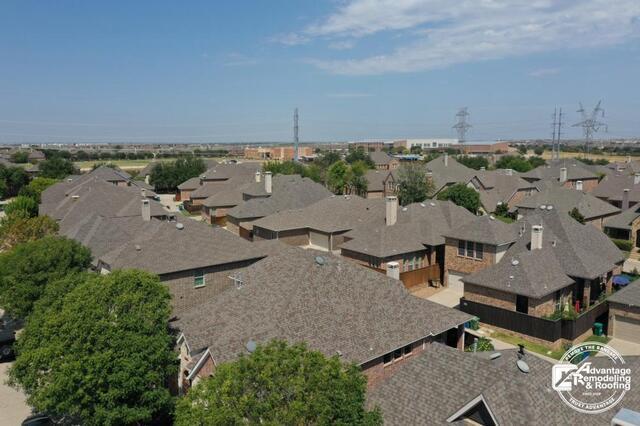
monitoring, targeted repairs, or roof replacement.
When replacement discussions are approached through documentation, chronology, inspection findings, and environmental understanding, homeowners are generally able to make stronger decisions with greater confidence. The house already contains the evidence. The purpose of the evaluation process is to identify that evidence, organize it into a clear sequence, and help homeowners understand what it means for the future performance of their roofing system. After multiple storm seasons, that clarity is often more valuable than any immediate recommendation.
Additional Questions Homeowners Ask After Roof Replacement Evaluations
What If The Roof Looks Fine From The Ground?
This is one of the most common questions homeowners ask after an inspection is recommended. The challenge is that roofing systems are rarely evaluated solely through ground-level appearance. Many conditions that influence replacement discussions exist in locations homeowners cannot easily observe. Flashing systems, penetrations, attic conditions, decking behavior, ventilation performance, and moisture migration patterns often provide information that is not visible from a driveway. A roof can appear relatively normal while carrying evidence of cumulative environmental exposure. This does not automatically mean replacement is necessary. It simply means visible appearance and actual condition are not always the same thing. Inspection exists to close that information gap.
How Long Can Homeowners Continue Monitoring Conditions?
There is no universal answer because every roof carries a different environmental history. Some roofs remain stable for extended periods after weather exposure. Others begin showing progression more quickly due to age, ventilation conditions, moisture interaction, previous repairs, or repeated storm activity. The decision to monitor should be based on documented evidence rather than hope alone. Homeowners are generally in a stronger position when monitoring includes photographs, inspection findings, and a clear understanding of what conditions should trigger reevaluation. Monitoring becomes most effective when it is informed rather than passive.
Why Do Some Problems Seem To Disappear And Then Return?
Environmental systems often operate in cycles. Moisture may become less visible during extended dry periods. Temperature conditions may change seasonally. Humidity levels fluctuate. Small vulnerabilities can remain quiet until environmental triggers return. This pattern is one reason stabilization and resolution are not always identical. A symptom that appears to disappear may simply be waiting for conditions that allow it to reactivate. Understanding environmental cycles helps explain why homeowners sometimes experience long periods of apparent stability followed by renewed concerns after storms, temperature shifts, or seasonal weather changes.
Signs That Additional Investigation May Be Appropriate
Homeowners do not need to become roofing experts to recognize situations that justify additional evaluation. Several recurring patterns frequently lead to deeper inspection conversations. For a focused warning-sign walkthrough, see A Field Guide to Roof-Replacement Warning Signs in Allen.
One pattern involves recurring symptoms. A stain appears, seems stable, and then returns after another weather event. The recurrence itself often becomes more important than the size of the stain. Repeated behavior suggests the house may be responding to an ongoing condition rather than an isolated event. Contractors frequently investigate chronology in these situations because recurring symptoms often provide useful clues regarding environmental progression.
Another pattern involves multiple repairs across different time periods. A single repair is not unusual. Multiple repairs performed across several storm seasons sometimes indicate that broader system evaluation may be beneficial. The purpose is not proving that replacement is necessary. The purpose is understanding whether recurring work is addressing isolated concerns or responding to a larger pattern of environmental exposure and material aging. Evidence determines the answer rather than assumptions.
Changes in attic conditions may also justify additional investigation. Elevated humidity, insulation concerns, ventilation questions, recurring moisture indicators, or unusual temperature behavior can provide information about how the roofing system and attic environment are interacting. Because attics often preserve evidence that living spaces conceal, contractors frequently use attic observations to help reconstruct environmental history and identify conditions that deserve closer attention.
The Role Of Documentation In Long-Term Roofing Decisions
Documentation becomes increasingly valuable as environmental timelines become longer. Homeowners often remember important events but not always the exact sequence. A storm from several years ago may blend together with later repairs, inspections, or weather events. Photographs, inspection reports, notes, and documented observations help preserve chronology when memory becomes less precise. This documentation frequently becomes one of the most valuable tools available during roof replacement evaluations.
Documentation also improves communication. Homeowners can compare conditions across time rather than relying solely on recollection. Contractors can explain recommendations using visible evidence. Future inspections can reference previous observations. Insurance-related discussions become easier when supporting information is organized. The result is not merely a larger collection of records. The result is a clearer understanding of how the house has been responding to environmental conditions over multiple seasons. For a property-level weather recap, see Turning Allen Weather Context Into a Property-Level Roof Review.
Perhaps most importantly, documentation reduces uncertainty. Many roofing decisions become stressful because homeowners feel forced to choose without complete information. When evidence is documented, chronology is reconstructed, and inspection findings are explained clearly, the decision-making process becomes more manageable. Confidence often increases because homeowners understand both the current condition of the roof and the reasoning behind available options.
Final Perspective
Roof replacement decisions in Allen often become more complicated after multiple storm seasons because the house accumulates environmental history. Weather exposure, repairs, attic conditions, moisture behavior, ventilation performance, and homeowner experiences interact over time. The result is a system that cannot always be understood through a single symptom or a single observation. Meaningful decisions require chronology, inspection findings, documentation, and an understanding of how the house has been behaving across multiple years.
For many homeowners, the most valuable outcome of an inspection is not a replacement recommendation. It is clarity. Once the relationship between weather history, current conditions, attic evidence, and environmental progression becomes clear, the next decision is usually easier to make. Whether the evidence supports continued monitoring, targeted repairs, or replacement, confidence comes from understanding what the house is actually showing rather than guessing what might be happening. That understanding is ultimately what turns a complicated roofing conversation into an informed homeowner decision.