Why Frisco Roof Decking and Structural Substrate Problems Often Keep Changing After Homeowners Think Conditions Have Stabilized
Articles
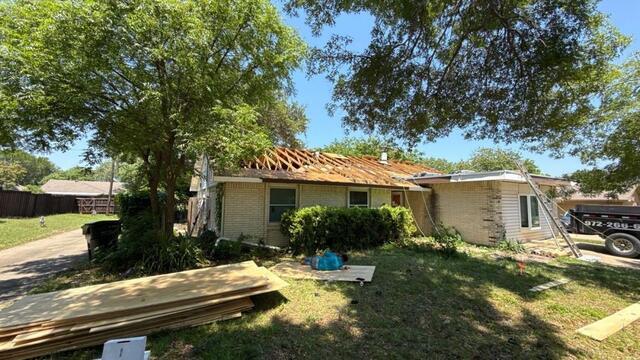
Frisco homeowners rarely spend much time thinking about roof decking. Most people think about shingles because shingles are visible from the ground, and visible materials naturally receive more attention than the structural layers hidden underneath them. Yet contractors often discover that the most important part of a roofing system is not the shingle surface at all. The structural substrate beneath the roofing materials frequently determines whether a roof can continue performing properly, whether moisture remains trapped inside the assembly, and whether repeated repairs are solving the actual problem or only addressing symptoms. When roof decking begins changing after storms, moisture exposure, heat cycles, or aging conditions, homeowners often experience a confusing period where the house appears stable even while underlying conditions continue evolving. This delayed progression is one reason roof decking concerns frequently become more complicated than homeowners initially expect.
Many Frisco homeowners first encounter the issue through small observations rather than major failures. A ceiling stain appears and then seems to stop growing. A roof repair is completed and the interior remains dry for several months. An attic inspection reveals minor discoloration that does not appear severe enough to justify major concern. Because visible symptoms seem limited, many people naturally assume the underlying condition has stabilized. This assumption is understandable because daily life encourages homeowners to focus on observable outcomes rather than hidden building systems. When nothing dramatic happens for weeks or months, the house begins communicating a sense of normalcy that may not fully reflect what is happening within the roofing structure itself. This pattern of delayed recognition frequently appears in contractor inspections across North Texas and represents one of the most common forms of false confidence homeowners experience.
Roof decking behaves differently than many homeowners imagine because structural materials retain environmental history. Storm exposure, repeated moisture events, humidity cycles, attic conditions, ventilation performance, and previous repair efforts can all leave evidence within the substrate long after visible symptoms disappear. A section of decking may dry enough to stop active leaking while still retaining deterioration patterns created during previous weather events. The visible problem appears resolved, but the structural system continues carrying forward the effects of earlier conditions. Contractors often describe this as the house remembering events that homeowners have already moved past. Environmental history becomes especially important in Frisco because recurring heat, humidity, wind, and storm cycles repeatedly test areas that previously experienced stress. What appears stable today may simply be waiting for another environmental trigger before becoming visible again.
The challenge becomes even greater because homeowners frequently adapt to symptoms before pursuing full investigation. Someone may place a bucket beneath a small drip during a storm and then forget about it when the leak disappears. Another homeowner may notice slight discoloration near a ceiling corner but decide to monitor it because it never expands. Families often become accustomed to attic temperature differences, occasional odors, or subtle changes that develop gradually over time. These adaptations are normal human responses to uncertainty. Most people do not immediately assume a structural substrate issue exists beneath roofing materials. Instead, they watch conditions, compare rooms, wait through additional weather cycles, and hope stability continues. Unfortunately, homeowner adaptation sometimes allows underlying decking conditions to progress without generating enough visible evidence to prompt immediate inspection.
Another complicating factor involves fragmented recollection. By the time a contractor arrives, the homeowner may remember a hailstorm from one season, a small repair from another year, and a ceiling stain that appeared sometime in between. The exact sequence often becomes difficult to reconstruct. Was the stain present before the repair? Did the attic smell begin before or after the storm? Was the repaired area located above the affected room or somewhere else entirely? These questions matter because roof decking deterioration frequently develops through a chain of events rather than a single isolated incident. Contractors must often rebuild timelines using homeowner recollections, photographs, weather history, attic observations, and physical evidence found during inspection. The investigation becomes less about identifying one event and more about understanding how multiple conditions interacted over time.
Homeowner Delay and Partial Normalization
One of the most common patterns associated with roof decking concerns begins with a period of partial normalization. A homeowner notices something unusual but not alarming enough to justify immediate action. Perhaps there is a small water mark near a bedroom ceiling. Perhaps a repair contractor corrected a leak several months ago and everything appears dry again. Maybe attic storage boxes reveal faint moisture staining that does not seem actively wet. In each case, the observation creates awareness without creating certainty. Because the house remains functional, the homeowner gradually accepts the condition as normal while continuing to monitor it occasionally. This period can last weeks, months, or even multiple seasons.
Roof decking issues often thrive during these periods of uncertainty because structural materials do not always produce immediate visible consequences. Shingles can continue shedding water. Interior drywall can remain visually unchanged. HVAC systems can continue operating normally. The house appears stable from a daily living perspective. Yet contractors sometimes discover that decking beneath the roofing assembly has already begun experiencing changes related to moisture absorption, fastener movement, substrate fatigue, or previous saturation events. None of these conditions necessarily announce themselves through dramatic symptoms. Instead, they remain hidden beneath layers of roofing materials while environmental conditions continue influencing the affected area. The absence of visible deterioration does not automatically mean the substrate has returned to original condition.
Homeowners frequently describe this period using phrases such as “it seems fine now” or “it stopped doing that.” These statements reveal an understandable decision-making process. People evaluate risk based on observable outcomes. When symptoms disappear, perceived urgency decreases. The problem is that roof decking performance depends on conditions occurring inside the roofing assembly rather than exclusively inside occupied living spaces. A room can appear completely normal while the substrate above it continues changing. This attic-room mismatch represents one of the most important realities contractors encounter during inspections. The visible room and the hidden roofing system are not always telling the same story. A ceiling may appear dry while the decking above shows moisture staining, previous saturation evidence, or ongoing structural concerns that remain invisible from below.
Contractors often slow down when they encounter these mismatches because rushing toward conclusions can create inaccurate recommendations. An experienced inspection sequence typically begins with homeowner observations, then moves through exterior roof evaluation, drainage pathways, penetrations, flashing conditions, attic access, substrate examination, and documentation. The goal is not simply to confirm whether damage exists. The goal is to determine whether visible symptoms align with hidden evidence. Sometimes the visible concern appears worse than the structural reality. Other times the structural reality proves far more significant than what homeowners can see from inside the home. This difference is one reason decking evaluations require methodical inspection rather than assumptions based solely on interior appearance.
False stability becomes especially influential when previous repairs enter the picture. A homeowner may have repaired shingles after a storm and reasonably assume the underlying issue was fully resolved. In many situations that assumption proves correct. However, contractors occasionally discover that the repair addressed the water entry point while leaving behind substrate conditions created during earlier exposure. The roof stopped leaking, but the decking continued carrying evidence of prior saturation. The repair created stabilization, yet stabilization is not always identical to complete resolution. This distinction matters because future weather cycles may interact differently with materials that have already experienced structural stress. The house appears recovered, but environmental history remains part of the system.
homeowner experience patterns from homeowner experiences frequently reflect this progression. People often remember relief after a repair, confidence during a dry season, and surprise when a later inspection uncovers evidence they believed had already been resolved. The emotional shift is rarely driven by neglect. More often it develops because the visible symptoms disappeared and the house resumed normal behavior. Daily routines returned. Attention moved elsewhere. The roofing system stopped demanding immediate concern. Months later, new information emerges through inspection, another storm, or changing attic conditions. The homeowner suddenly realizes the story did not end when the visible symptom disappeared. The structural substrate continued carrying part of that history forward.
For this reason, roof replacement discussions involving decking are rarely based on a single observation. Contractors generally look for evidence thresholds rather than isolated symptoms. They evaluate whether the substrate remains structurally sound, whether moisture exposure created ongoing concerns, whether previous repairs restored stability, and whether future weather cycles are likely to continue stressing the affected area. The objective is not to push homeowners toward replacement. The objective is to determine when replacement becomes an evidence-based discussion rather than a reactive decision. That distinction begins with understanding how partial normalization can create confidence before the full condition of the roofing system is known.
Repeated North Texas Weather Pressure
Frisco roofing systems exist within an environment that repeatedly challenges structural materials. Hail events, wind exposure, humidity fluctuations, intense summer heat, sudden temperature shifts, and seasonal storm activity all contribute to ongoing pressure against roofing assemblies. Homeowners sometimes view storms as isolated events that begin and end on specific dates. Contractors frequently view them differently. The weather event itself may end quickly, but the effects on the house can continue developing long afterward. Structural substrates often reveal this delayed relationship between environmental exposure and visible symptoms. What happened during one storm season can influence how the roof responds during the next.
North Texas heat deserves particular attention because it amplifies conditions that already exist within roofing systems. Materials expand and contract. Attic temperatures rise dramatically. Ventilation performance becomes more important. Moisture that entered during an earlier event may interact differently with elevated temperatures. Areas that experienced minor structural stress can face additional pressure as seasonal cycles continue. Homeowners may associate roofing concerns primarily with storms, yet contractors often observe that heat and humidity help reveal problems that originated elsewhere. Environmental pressure is rarely limited to a single cause. Instead, multiple factors accumulate and interact across time.
Storm timing further complicates homeowner interpretation. A roof may experience hail exposure in spring, remain quiet through summer, and then display symptoms during a later rain event. Because months separate the observations, many homeowners struggle to connect them. The roof appears to have functioned normally for an extended period. Confidence grows. Then another weather cycle activates a condition that seemed dormant. Contractors regularly encounter situations where the most important inspection task is reconstructing timing rather than identifying obvious damage. Understanding when symptoms first appeared, when repairs occurred, and when environmental conditions changed often provides critical context for evaluating decking performance.
The result is a pattern of delayed-escalation fragmentation in which environmental pressure continues influencing the substrate long after homeowners believe conditions have stabilized. Roof decking does not evaluate risk based on calendars. It responds to moisture history, structural stress, environmental exposure, and material performance. A quiet period may represent genuine recovery, or it may represent temporary calm before the next environmental trigger arrives. Determining the difference requires inspection-backed evidence rather than assumptions based on the absence of visible symptoms. That reality becomes increasingly important as we move from homeowner observations into the contractor inspection process itself.
Contractor Inspection Interpretation
By the time a contractor becomes involved, the homeowner and the house are often telling slightly different versions of the same story. The homeowner may describe a stain that appeared after a storm, a repair completed several months earlier, or a leak that seemed to stop on its own. The house, however, preserves evidence differently. Moisture staining on decking, fastener oxidation, insulation compression, substrate discoloration, ventilation patterns, and repair sequencing often remain visible long after the original event fades from memory. This difference is why experienced contractors spend significant time reconstructing chronology before making recommendations. The inspection is not simply about finding damage. It is about understanding how the current condition developed and whether the apparent stability reflects actual resolution or only temporary calm.
Many homeowners assume roof decking problems reveal themselves through obvious softness or severe structural failure. In reality, inspections frequently uncover more subtle evidence first. A contractor may notice staining patterns that suggest previous moisture exposure. Fasteners may show oxidation levels inconsistent with surrounding materials. Certain decking sections may display texture changes, minor delamination, or expansion characteristics that indicate environmental stress. None of these findings automatically mean replacement is required. They do, however, provide clues about how the substrate has been responding to conditions over time. The purpose of the inspection is to gather these clues and determine whether they form a consistent narrative supported by physical evidence.
The inspection sequence itself matters because roof decking concerns cannot be evaluated accurately from a single observation point. Contractors generally begin with exterior conditions, examining roof slopes, drainage pathways, flashing transitions, penetrations, valleys, ridge areas, and visible material performance. These observations establish how water should move across the roof system and identify locations where entry points may have developed. Only after understanding exterior conditions can the inspection move toward attic evaluation and substrate analysis. Skipping directly to conclusions risks misunderstanding how the observed evidence connects to actual causes. The inspection sequence matters because structural problems often emerge from interactions between multiple components rather than a single isolated failure.
Visible Symptoms Versus Original Entry Points
One of the most common inspection discoveries involves the difference between where homeowners notice symptoms and where the original problem actually began. Water rarely travels in perfectly straight lines once it enters a roofing assembly. Moisture can follow framing members, move along decking surfaces, interact with insulation, and migrate before eventually becoming visible inside a room. The ceiling stain a homeowner notices may be several feet away from the original entry point. In some situations, the visible symptom appears in an entirely different section of the house than the roof area responsible for the moisture intrusion. This reality makes roof decking evaluation more complex than simply inspecting directly above a stain.
Contractors frequently encounter attic-room mismatch conditions during these investigations. A bedroom ceiling may appear completely normal while the attic above reveals moisture staining and compressed insulation. Conversely, a visible ceiling mark may correspond to a relatively limited substrate issue that has already dried. The room and the attic are sometimes telling different stories. Because homeowners spend most of their time inside occupied living spaces, they naturally place more trust in visible interior conditions. Contractors, however, must evaluate both visible and hidden evidence before determining whether structural substrate concerns remain active. The goal is to identify the relationship between symptoms and causes rather than assuming they occupy the same location.
This distinction becomes particularly important when homeowners have already attempted repairs. A patch may successfully address the original water entry location while leaving behind evidence that remains visible elsewhere. Months later, a homeowner discovers discoloration or staining and assumes the repair failed. The contractor's task is to determine whether the symptom represents active moisture, historical evidence, environmental staining, or a separate issue altogether. Without documentation and sequencing, these situations can easily create confusion. Inspection-backed evidence provides the clarity necessary to distinguish between ongoing problems and residual indicators of past conditions.
Photo documentation plays a major role in this process because it allows homeowners to compare visible observations against hidden conditions. Contractors often photograph decking, insulation, ventilation pathways, fastener conditions, and moisture indicators during inspections. These photographs create a shared evidence base that reduces uncertainty and improves communication. Rather than relying solely on verbal descriptions, homeowners can see what the contractor is evaluating and understand how conclusions connect to physical conditions. Documentation transforms the discussion from speculation into evidence review, which is especially valuable when structural substrate decisions carry significant financial implications.
Storm Timing and False Confidence
Another area where contractors frequently slow down involves storm timing. Homeowners often remember major weather events but may not remember exactly when symptoms began relative to those events. A hailstorm occurred during spring. A leak appeared during summer. A repair happened in early fall. Another symptom emerged months later. These facts may all be accurate, yet the sequence connecting them often becomes fragmented. Reconstructing timing is essential because roof decking deterioration usually follows a chronology. The timing helps determine whether observed substrate conditions relate to one event, multiple events, environmental carry-forward, or unrelated causes.
False confidence frequently develops during dry-weather periods. A homeowner experiences a leak during a storm, then several months pass without additional water intrusion. Because conditions appear normal, confidence naturally increases. The house seems stable. The roof appears to be performing. Daily life resumes. However, environmental history does not disappear simply because visible symptoms stop. Moisture exposure that occurred earlier may still influence substrate performance. Fastener oxidation continues reflecting previous conditions. Ventilation interactions continue affecting attic behavior. Structural materials continue carrying environmental history even when no active leak is present. Dry weather can therefore create a misleading sense of finality.
Contractors sometimes encounter homeowners who are genuinely surprised when inspections uncover evidence after extended quiet periods. The surprise is understandable because human decision-making relies heavily on recent observations. If nothing concerning has happened for months, most people conclude the problem is gone. Yet roofing systems operate according to physical conditions rather than perception. A dormant issue can remain hidden until another environmental trigger reveals it. Seasonal humidity changes, heavy rainfall, wind-driven moisture, attic pressure differences, or temperature fluctuations may all expose conditions that remained invisible during calmer periods. Stabilization and resolution are not always the same thing.
This is why inspection recommendations often focus on evidence thresholds rather than emotional urgency. Contractors are not attempting to create fear when they discuss potential substrate concerns. They are attempting to determine whether enough evidence exists to support repair, monitoring, structural replacement, or continued observation. The decision should emerge from documented conditions, inspection findings, chronology reconstruction, and environmental context. Homeowners deserve clarity regarding what is known, what remains uncertain, and what additional information may be necessary before major decisions are made. That approach reduces decision friction while preserving trust throughout the evaluation process.
Attic Evidence Contractors Slow Down Around
Certain attic observations cause experienced contractors to become more deliberate because they frequently indicate conditions that deserve additional investigation. Decking discoloration is one example. Not all discoloration means active deterioration, but it often provides important information about environmental history. The pattern, location, severity, and relationship to surrounding materials all contribute to interpretation. Contractors evaluate whether the staining reflects previous moisture exposure, ventilation influence, condensation patterns, or isolated incidents. Context matters more than appearance alone.
Insulation behavior is another important clue. Compressed insulation, texture changes, localized moisture indicators, and unusual settling patterns can all reveal information about previous environmental conditions. Because insulation interacts closely with attic humidity and temperature dynamics, it often preserves evidence that homeowners never see from occupied rooms below. Contractors compare insulation behavior against decking observations, ventilation conditions, and moisture indicators to determine whether a broader pattern exists. The objective is not to find isolated abnormalities but to understand how multiple pieces of evidence relate to one another.
Fastener oxidation also attracts attention because it provides timeline information. Rust development does not occur instantly. When oxidation appears in specific areas, contractors consider how moisture exposure, humidity levels, ventilation performance, and previous weather events may have contributed. Fasteners effectively become environmental witnesses that help reconstruct chronology. They do not provide complete answers by themselves, but they contribute valuable context when combined with other observations. This type of environmental timeline reconstruction often separates thorough inspections from surface-level evaluations.
Ventilation conditions frequently complete the picture. Attic heat accumulation, restricted airflow, humidity retention, and temperature imbalance can all influence how roof decking responds to environmental pressure. In some homes, the substrate issue itself is relatively limited while ventilation performance amplifies its effects. In others, ventilation appears acceptable and directs attention toward moisture pathways or structural concerns instead. Contractors therefore evaluate decking conditions within the broader system rather than treating substrate observations as isolated findings. Roof decking, ventilation, moisture behavior, and environmental exposure often function as interconnected components of the same story.
Hidden Moisture, Attic, and HVAC Interaction
Roof decking problems rarely exist in isolation. By the time contractors begin evaluating structural substrate conditions, they are often examining a larger interaction involving moisture behavior, attic performance, ventilation dynamics, and HVAC influence. Homeowners frequently think of roof systems, attics, and HVAC equipment as separate parts of the house. In practice, these systems continuously affect one another. A moisture issue within the roofing assembly can alter attic conditions. Attic conditions can influence insulation performance. Insulation performance can affect HVAC workload. HVAC behavior can change temperature and humidity patterns inside the attic. The result is a chain of interactions that sometimes continues long after the original roofing event appears resolved.
This interconnected behavior is one reason contractors often spend more time in attics than homeowners expect. The visible roof surface provides only part of the story. The attic frequently reveals whether the structural substrate has been carrying forward environmental pressure across multiple seasons. Moisture staining, insulation compression, humidity indicators, decking discoloration, airflow patterns, and temperature imbalances all provide information about how the system has behaved over time. When these indicators align, they often tell a clearer story than the original homeowner observation that triggered the inspection request. The house itself becomes the primary source of evidence.
Many Frisco homeowners first become concerned when they notice something inside the living space. A room feels warmer than expected. HVAC equipment seems to run longer during summer afternoons. An upstairs area develops occasional humidity issues. A faint odor appears after heavy rain. These observations may not immediately suggest roof decking involvement. Yet contractors routinely discover situations where hidden substrate conditions contribute to broader attic behavior. The homeowner experiences symptoms inside the home, while the origin remains concealed within structural and environmental systems above the ceiling line. This mismatch between visible experience and hidden evidence often delays recognition of the actual problem.
Environmental history plays a significant role in these situations because moisture events rarely disappear the moment surfaces become dry. Materials respond differently to exposure. Some dry quickly. Others retain evidence longer. Certain components experience subtle performance changes that remain difficult to observe without inspection. Moisture memory can therefore persist within the roofing assembly even when active leaks are no longer occurring. Contractors evaluating substrate conditions often look beyond current moisture levels and examine indicators that reveal how the system behaved during previous environmental events. Understanding that history helps explain why apparently stable homes sometimes continue experiencing recurring symptoms.
Moisture Migration Inside Structural Substrates
Homeowners often imagine roof leaks as simple top-to-bottom events. Water enters through one location and immediately appears beneath it. Structural substrate behavior is usually more complicated. Moisture frequently travels through roofing assemblies before becoming visible. It can move across decking surfaces, interact with fasteners, follow framing members, affect insulation, and accumulate in locations that seem unrelated to the original entry point. Because these pathways remain hidden, the first visible symptom may represent only a small portion of the actual moisture story. Contractors therefore focus heavily on moisture migration patterns during decking evaluations.
Repeated moisture exposure can be particularly important even when individual events appear minor. A single moisture event may not significantly affect structural substrate performance. Multiple exposure cycles over time can create a different outcome. Materials repeatedly subjected to wetting and drying conditions experience ongoing environmental pressure. The effects may develop gradually enough that homeowners never observe a clear transition from healthy conditions to problematic conditions. Instead, the substrate changes incrementally while the house continues functioning normally. This gradual progression often explains why homeowners feel surprised when inspection findings appear more significant than expected.
Repair fatigue sometimes develops through this process. A homeowner addresses one symptom, then another. A small repair resolves an immediate concern. Months later a related issue appears elsewhere. Additional repairs restore stability again. Eventually contractors begin noticing a pattern rather than isolated incidents. The question shifts from whether individual repairs worked to whether the underlying substrate has been subjected to enough environmental stress that broader corrective action should be considered. Roof decking evaluations frequently occur at this stage because the structural layer serves as the foundation supporting the entire roofing assembly. When repeated moisture migration has influenced that foundation, decision-making becomes more complex.
Contractors rely on documentation to distinguish between active moisture and historical evidence. Staining alone does not automatically indicate an ongoing issue. Moisture readings, environmental conditions, ventilation behavior, substrate appearance, and chronology reconstruction all contribute to interpretation. This distinction is important because homeowners deserve accurate information rather than assumptions. Historical evidence may warrant monitoring. Active moisture may require corrective action. Determining which condition exists requires inspection-backed analysis rather than conclusions based solely on appearance. The objective is clarity, not escalation.
HVAC Behavior and Attic Pressure Relationships
HVAC systems often enter roof decking conversations indirectly. Homeowners may report comfort concerns without realizing attic conditions could be contributing factors. Uneven room temperatures, persistent humidity, duct sweating, extended cooling cycles, and inconsistent performance sometimes prompt HVAC investigations before anyone considers structural substrate conditions. Contractors evaluating attics frequently discover that environmental conditions affecting the roofing assembly are also influencing HVAC performance. The systems are connected through the shared environment of the attic space.
When attic temperatures rise excessively, HVAC equipment must work harder to maintain interior comfort. Ventilation limitations, moisture retention, and roofing system stress can all contribute to elevated attic conditions. Roof decking itself does not create HVAC problems, but substrate-related environmental changes sometimes participate in broader attic performance issues. Contractors therefore evaluate attic conditions holistically rather than focusing exclusively on one component. The objective is understanding system interaction. A homeowner may experience the symptom through comfort concerns while the evidence points toward environmental conditions involving multiple interconnected systems.
Ductwork observations frequently provide additional clues. Contractors may encounter localized humidity indicators, condensation patterns, or environmental conditions suggesting that attic behavior has been influencing HVAC performance over time. These observations rarely serve as standalone evidence. Instead, they become part of a larger collection of findings involving decking, insulation, ventilation, and environmental history. The goal is not to blame HVAC equipment or roofing materials independently. The goal is to determine how the house has been responding to environmental pressure and whether structural substrate concerns contribute to that response.
This approach aligns with house-first investigation principles. Rather than starting with a predetermined conclusion, contractors begin with observable conditions and follow evidence wherever it leads. A homeowner notices a comfort issue. The attic reveals humidity patterns. Insulation displays localized changes. Decking shows environmental history. Ventilation observations provide context. Together, these findings create a clearer understanding of what the house has been experiencing. The process resembles reconstruction more than diagnosis because multiple pieces of evidence must be assembled before reliable conclusions emerge.
Photo Documentation and Homeowner Walkthrough Logic
One reason roof decking discussions sometimes feel overwhelming is that most evidence exists in places homeowners rarely visit. Contractors spend years learning how to interpret attic observations, structural indicators, moisture patterns, and environmental interactions. Homeowners understandably do not possess the same reference points. Effective communication therefore becomes a critical part of the inspection process. The best inspections do not simply identify findings. They explain how those findings connect to homeowner observations and why they matter within the broader story of the house.
Photo documentation serves as the foundation of that communication. Contractors frequently photograph decking conditions, insulation behavior, ventilation pathways, moisture indicators, and structural observations throughout the inspection sequence. These photographs create transparency by allowing homeowners to review the same evidence used during evaluation. Instead of asking homeowners to accept conclusions on faith, documentation provides visual support for recommendations. Trust develops through evidence rather than authority claims. This approach reduces uncertainty and helps homeowners understand how decisions are being formed.
Homeowner walkthroughs further strengthen clarity because they connect findings to lived experience. A contractor may explain how a visible room symptom relates to hidden attic evidence. They may compare a ceiling observation against substrate conditions located elsewhere within the assembly. They may reconstruct chronology by linking weather events, repairs, environmental exposure, and current findings. These conversations help repair fragmented recollections that naturally develop over time. Homeowners often remember isolated events. Contractors help organize those events into a coherent timeline supported by physical evidence.
The result is a decision-making environment built around understanding rather than pressure. When homeowners can see documentation, understand chronology, evaluate evidence, and ask questions about findings, roof replacement discussions become more evidence-based. Some inspections ultimately support continued monitoring. Others support repair strategies. Some reveal structural substrate concerns significant enough to justify broader action. Regardless of outcome, the objective remains the same: provide sufficient evidence for homeowners to understand what the house is doing before major decisions are made. That foundation becomes especially important once insurance documentation and claim-related considerations enter the conversation.
Insurance Documentation Friction
Insurance-related discussions often become part of roof decking evaluations because structural substrate conditions do not always fit neatly into a simple visible-damage narrative. Homeowners frequently assume that documentation begins when a claim is filed. Contractors often begin documentation much earlier because inspection evidence, chronology reconstruction, photographs, and environmental observations all help establish what the house has experienced over time. When structural substrate concerns enter the conversation, documentation becomes especially important because the visible symptom may represent only part of the overall condition. Evidence must explain not only what exists today but how the condition developed.
Many Frisco homeowners experience uncertainty during this stage because multiple questions emerge simultaneously. Is the observed decking condition related to a specific storm event? Does the evidence suggest long-term environmental exposure? Were previous repairs successful but incomplete? Does the documentation support monitoring, repair, or replacement discussions? These questions create decision friction because homeowners want clear answers while the inspection process often requires careful evaluation of evidence. Structural substrate concerns rarely benefit from rushed conclusions. The goal is to understand what the documentation actually supports before significant decisions are made.
Insurance anxiety commonly develops when homeowners realize that remembered events and documented events do not always align perfectly. Someone may remember a severe hailstorm but not recall the exact date. Another homeowner remembers a leak but cannot determine whether it began before or after a previous repair. Others know symptoms appeared gradually yet struggle to identify when they first became noticeable. These situations are normal. Fragmented recollection is common whenever conditions evolve over months or years. Contractors therefore spend substantial effort reconstructing timelines using photographs, inspection findings, repair history, weather exposure patterns, and homeowner observations. The objective is evidence clarity rather than blame.
One reason documentation matters so much is that roof decking concerns often involve environmental carry-forward rather than single-event visibility. The structural substrate may preserve evidence of moisture exposure, heat stress, ventilation interaction, or repeated weather cycles. Homeowners sometimes expect documentation to focus only on current visible conditions. Contractors, however, must evaluate the sequence that produced those conditions. Understanding chronology helps determine whether the observed evidence reflects active issues, historical conditions, environmental progression, or combinations of multiple factors. Documentation becomes the bridge connecting homeowner recollections to inspection-backed findings.
Repair Fatigue and Previous Patch Interpretation
One of the more complicated documentation challenges involves previous repair history. Many homeowners arrive at decking evaluations after already investing time and resources into maintaining their roofing system. A leak was repaired. Flashing was adjusted. Damaged materials were replaced. A section of roofing received attention after a storm. Each repair may have been entirely appropriate based on the information available at the time. Yet repeated repair activity can create confusion when new symptoms eventually emerge. Homeowners naturally wonder whether previous work failed, whether conditions changed, or whether an entirely different issue has developed.
Contractors approach these situations by interpreting repairs as part of the chronology rather than immediately categorizing them as successes or failures. A repair may have successfully addressed a specific water entry pathway while the structural substrate continued carrying evidence from earlier exposure. Another repair may have stabilized conditions for several seasons before new environmental pressure revealed additional concerns. The existence of previous repairs does not automatically explain current findings. Instead, repairs become historical reference points that help reconstruct how the house responded to changing conditions across time.
Repair fatigue often emerges when homeowners begin feeling trapped in a cycle of recurring attention. The house appears stable after one repair. Another issue appears later. Stability returns again. Eventually uncertainty grows because homeowners no longer know whether additional repairs will continue restoring confidence. This emotional response is understandable. People want assurance that effort invested in maintenance is producing meaningful results. Contractors therefore focus on evidence thresholds rather than assumptions. The question becomes whether inspection findings suggest isolated conditions that remain suitable for repair or whether the accumulated evidence indicates broader structural substrate concerns deserving a different conversation.
Documentation helps reduce this uncertainty because it organizes observations into an evidence-based framework. Photographs, measurements, chronology reconstruction, substrate observations, attic findings, and environmental indicators provide context that individual symptoms cannot provide by themselves. Homeowners often experience greater confidence when they can see how conclusions connect to documented evidence. Trust develops through transparency. Rather than relying on generalized recommendations, the discussion remains anchored to the specific behavior of the house being evaluated.
Insurance Timeline Reconstruction
Timeline reconstruction frequently becomes one of the most valuable services contractors provide during decking evaluations. Homeowners usually remember major events but not always the sequence connecting them. A hailstorm occurred. A leak appeared. A repair was completed. Another symptom emerged later. Each memory may be accurate while still lacking the chronology necessary for informed decision-making. Contractors use documentation to rebuild the sequence and identify relationships between events, environmental conditions, and current findings.
This reconstruction process often begins with homeowner observations. When did symptoms first appear? Were they seasonal or continuous? Did they change after repairs? Did weather conditions seem to influence them? These questions establish a framework that can later be compared against physical evidence. The contractor then evaluates inspection findings, attic observations, substrate indicators, environmental conditions, and documentation records. As information accumulates, a more complete timeline begins to emerge. What initially appeared to be unrelated events sometimes reveal meaningful connections. Conversely, events homeowners assumed were connected occasionally prove independent.
Environmental history plays a critical role because the house often preserves evidence even when human memory becomes fragmented. Moisture indicators, decking discoloration, insulation behavior, fastener oxidation, ventilation patterns, and structural observations all provide clues regarding chronology. Contractors effectively compare remembered history against physical history. The objective is not perfect reconstruction. Instead, the goal is reaching a level of clarity that supports evidence-based decisions. The more complete the chronology becomes, the easier it is to understand how current conditions developed.
For many homeowners, this process reduces anxiety because uncertainty itself often creates more stress than the findings. Not knowing why conditions changed or whether previous efforts mattered can be emotionally exhausting. Documentation transforms uncertainty into understanding. Even when significant substrate concerns are identified, homeowners frequently report greater confidence once they can see the evidence chain connecting observations, environmental exposure, inspection findings, and recommended next steps. Clear documentation creates a path forward where confusion previously existed.
Related Roofing Evidence Without Overloading the Decision
Roof decking evaluations naturally connect to several related roofing topics, but not every home follows the same path. Some inspections reveal moisture-tracing concerns requiring deeper investigation into hidden water intrusion. Others highlight attic ventilation interactions that influence substrate performance. Certain situations involve repair-fatigue escalation where repeated fixes no longer appear to restore long-term stability. Still others require insurance timeline reconstruction because multiple weather events complicate chronology. These related inspection paths help explain why structural substrate discussions often extend beyond decking alone.
The important point is that these branches should emerge from evidence rather than assumptions. A contractor does not begin by deciding which inspection path applies. The inspection process reveals whether moisture tracing, ventilation interaction, repair fatigue, insurance chronology, or another route deserves attention. This evidence-driven approach prevents unnecessary escalation while ensuring important findings receive appropriate consideration. Every house tells a different story, and the documentation process exists to identify which story the evidence supports.
Trust becomes particularly important at this stage because homeowners are often weighing significant decisions. They may be comparing monitoring against repair, repair against replacement, or immediate action against continued observation. Documentation, photographs, chronology reconstruction, inspection sequencing, and transparent communication all contribute to confidence. Trust does not come from promises. It comes from understanding why conclusions were reached and how evidence supports those conclusions. That proof-based approach helps homeowners move from uncertainty toward clarity without unnecessary pressure.
By the time insurance documentation, repair history, chronology reconstruction, and related roofing evidence review have been completed, the conversation begins shifting toward a different question. Instead of asking whether symptoms exist, homeowners start asking whether conditions have truly stabilized. That transition leads directly into the final decision framework contractors use before discussing production recommendations, structural replacement considerations, or long-term monitoring strategies.
Stabilization Before Production Decision
One of the most important concepts homeowners encounter during roof decking evaluations is the difference between stabilization and resolution. The two terms sound similar, yet they describe very different conditions. Stabilization means the immediate threat has been controlled. Water intrusion may have stopped. A repair may have prevented additional exposure. Environmental conditions may have become less aggressive. Resolution, however, means the underlying concerns have been fully understood, documented, and addressed according to the evidence. Many Frisco homeowners understandably assume stabilization automatically means resolution. Contractors often discover that the distinction between the two becomes one of the most important factors influencing long-term outcomes.
This distinction exists because houses frequently appear healthy before all evidence has been evaluated. A roof may remain dry through multiple storms. A ceiling stain may stop expanding. Attic conditions may seem unchanged for months. The home resumes normal behavior, and daily routines return to normal. Homeowners naturally experience relief when visible symptoms disappear. That relief is entirely reasonable. Yet contractors must still determine whether the structural substrate has fully recovered, whether environmental pressure remains active within the system, and whether future weather cycles are likely to reveal conditions that currently remain hidden. Stabilization reduces immediate concern. It does not automatically answer every structural question.
Many inspection findings associated with roof decking fall into this gray area. The evidence may not support emergency action, but it may also indicate that monitoring alone no longer provides sufficient confidence. Contractors therefore focus on evidence thresholds rather than emotional urgency. The goal is not convincing homeowners that a roof must be replaced. The goal is determining when replacement becomes an evidence-based discussion supported by inspection findings, chronology reconstruction, environmental history, structural observations, and documented performance concerns. This approach respects homeowner hesitation while still acknowledging what the house is communicating through physical evidence.
Homeowner psychology plays a significant role at this stage because decision fatigue often emerges after months or years of uncertainty. Families may have already dealt with repairs, inspections, insurance questions, attic observations, and recurring monitoring. By the time structural substrate discussions begin, many people are less concerned about cost alone and more concerned about confidence. They want to know whether continued repairs make sense. They want clarity regarding future risk. They want to understand whether waiting remains reasonable or whether evidence suggests a different course of action. The decision becomes less about reacting to symptoms and more about understanding the long-term behavior of the house.
When Roof Replacement Becomes an Evidence-Based Discussion
Contractors do not determine replacement needs based on a single observation. Instead, replacement discussions typically emerge when multiple categories of evidence begin pointing toward the same conclusion. Structural substrate observations, moisture history, repair chronology, environmental carry-forward, attic conditions, ventilation performance, and documentation findings collectively contribute to the evaluation. Each piece of evidence matters because roof decking serves as a foundational component of the roofing assembly. Decisions affecting that foundation deserve more than surface-level analysis.
In many situations, inspections conclude that monitoring remains appropriate. The evidence does not support immediate structural concerns, active moisture issues, or significant substrate deterioration. Documentation establishes a baseline, homeowners understand what to watch for, and future evaluations can compare conditions against existing records. This outcome is often reassuring because it demonstrates that inspections exist to create clarity rather than automatically produce large projects. Evidence-based decision-making includes situations where observation remains the most reasonable next step.
Other inspections reveal conditions suggesting that repairs remain viable. Moisture pathways can be addressed. Ventilation improvements may help stabilize environmental conditions. Localized substrate concerns may not require broader intervention. Again, the recommendation emerges from evidence rather than assumptions. Contractors evaluate whether repairs are likely to restore confidence, improve performance, and reduce future risk based on documented findings. The objective is matching the recommendation to the actual condition of the house.
Replacement conversations typically become appropriate when the accumulated evidence indicates that continued repairs no longer provide meaningful long-term confidence. Repeated moisture exposure, structural deterioration, recurring environmental activation, extensive substrate concerns, or repair-fatigue patterns may collectively support a broader discussion. Importantly, replacement is not driven by fear. It is driven by evidence. Contractors should be able to explain exactly which findings support the recommendation, how those findings relate to the structural substrate, and why alternative approaches may provide diminishing returns. Homeowners deserve transparency regarding both the evidence and the reasoning behind major recommendations.
The Stabilization and Reactivation Cycle Homeowners Often Miss
One reason roof decking concerns sometimes surprise homeowners is that structural substrate conditions frequently follow a stabilization and reactivation pattern. A weather event occurs. Symptoms appear. Repairs or environmental changes create stability. Months later, another environmental trigger reveals additional evidence. The cycle repeats. Each period of calm encourages confidence, while each reactivation creates confusion because homeowners believed the issue had already been resolved. Understanding this pattern helps explain why roof decking problems often seem to change after conditions appear stable.
Environmental triggers vary. Heavy rainfall may reactivate moisture pathways. Seasonal humidity shifts may reveal attic conditions that remained hidden during drier periods. Summer heat may amplify performance differences that were previously subtle. Wind-driven rain may test vulnerable areas differently than ordinary weather conditions. The important point is that reactivation does not necessarily indicate sudden deterioration. More often, it reveals conditions that remained part of the system even while symptoms were temporarily absent. The environmental trigger simply makes those conditions visible again.
Contractors therefore avoid treating calm periods as definitive proof that concerns have disappeared. Calm is valuable because it provides opportunities for inspection and documentation. However, inspection-backed evidence remains more reliable than temporary symptom absence. A dry ceiling does not automatically confirm healthy decking. A quiet attic does not automatically confirm environmental stability. Physical evidence remains the foundation of accurate evaluation. The house must be understood according to what it is doing, not only according to what homeowners can currently see.
homeowner experience patterns often reflect this exact progression. Homeowners remember feeling relieved after repairs, confident during extended dry periods, and surprised when later inspections identified conditions they assumed had already been addressed. These experiences reinforce an important lesson: stability should be verified rather than assumed. Verification comes through inspection, documentation, chronology reconstruction, attic evaluation, and evidence review. When those processes confirm stability, homeowners gain confidence supported by facts rather than hope alone.
Frequently Asked Questions About Frisco Roof Decking & Structural Substrate Problems
Can roof decking be damaged even if my ceiling looks normal?
Yes. Contractors frequently encounter attic-room mismatch situations where visible living spaces appear normal while the attic reveals substrate staining, insulation compression, moisture indicators, or structural evidence. Visible rooms and hidden roofing systems do not always display symptoms at the same time. An inspection helps determine whether hidden evidence exists despite normal interior appearance.
Why do roof decking problems sometimes appear months after a storm?
Storm effects often continue interacting with environmental conditions long after the original event. Heat, humidity, ventilation behavior, moisture migration, and seasonal weather cycles can all influence how structural substrate conditions develop. Delayed recognition is common because visible symptoms do not always appear immediately after environmental exposure.
Does a previous roof repair mean my decking is fine?
Not necessarily. Many repairs successfully address specific concerns and restore stability. However, contractors still evaluate whether the structural substrate preserved evidence of earlier exposure. A successful repair and a healthy substrate frequently occur together, but they should not be assumed to be the same thing without inspection-backed verification.
When should homeowners request an inspection?
An inspection is often appropriate when symptoms recur, when attic observations raise concerns, when environmental conditions continue changing after previous repairs, or when homeowners simply want clarity regarding structural substrate performance. The objective is evidence gathering, not pressure. Understanding what the house is doing allows homeowners to make informed decisions based on documented findings rather than uncertainty.
Conclusion
Frisco roof decking and structural substrate problems often appear confusing because homeowners and houses experience time differently. Homeowners naturally focus on visible symptoms, daily living conditions, and periods of apparent stability. Structural substrates preserve environmental history across storms, moisture exposure, heat cycles, repairs, and seasonal changes. As a result, the house may continue carrying evidence long after visible concerns appear resolved. That disconnect frequently explains why decking-related conditions seem to keep changing after homeowners believe stability has returned.
The most reliable path forward involves inspection-backed understanding rather than assumptions. Documentation, chronology reconstruction, attic evaluation, moisture analysis, ventilation assessment, and structural observations help transform uncertainty into clarity. Sometimes that clarity supports continued monitoring. Sometimes it supports repair strategies. In other situations, the accumulated evidence leads to a roof replacement discussion. Regardless of outcome, the objective remains the same: make decisions based on what the evidence demonstrates rather than what temporary stability appears to suggest. When homeowners understand the difference between stabilization and resolution, they are better equipped to protect both the roofing system and the house beneath it.