Why Dallas Water Damage Restoration Problems Often Keep Changing After Homeowners Think Conditions Have Stabilized
Articles
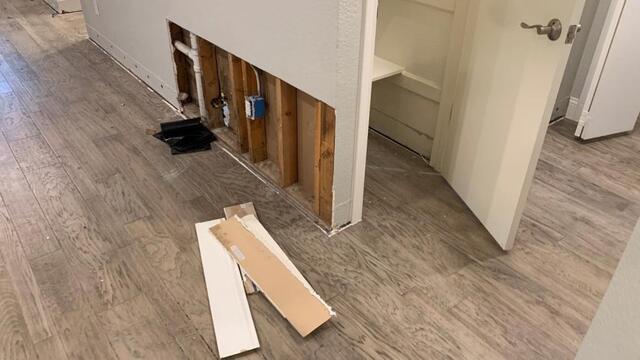
Water damage restoration problems in Dallas rarely begin with a dramatic failure that leaves homeowners immediately certain about what happened. More often, the house appears to settle down before the underlying condition is fully understood. A ceiling stain stops growing, a damp odor becomes less noticeable, or a room that felt humid after a storm begins feeling normal again. The visible symptoms calm down enough that daily routines return, and the urgency that existed during the first few days starts to fade. Many homeowners interpret that calmer period as evidence that the problem resolved itself, even though the house may still be carrying moisture, humidity, or hidden damage from the original event. That pattern of temporary stability followed by unexpected changes is one of the most common realities encountered during water damage restoration evaluations in North Texas. That is why a careful restoration evaluation should consider homeowner delay, environmental pressure, inspection discovery, moisture interaction, documentation friction, and stabilization before major repair decisions are made. Dallas homes experience repeated environmental stress throughout the year. Storm systems move through, humidity levels fluctuate, attic temperatures rise, cooling systems cycle heavily, and moisture paths inside the structure react differently depending on building materials, ventilation conditions, and previous repairs. A room that appears dry today may not tell the same story after the next period of humidity or rainfall. The house continues responding to environmental conditions long after the original water intrusion occurred. Environmental history is important because moisture does not always leave the structure at the same pace that visible symptoms disappear. North Texas heat, humidity, and delayed exposure patterns often keep changing house behavior after homeowners believe the worst has passed. Those recurring environmental pressures frequently explain why restoration projects seem to become different problems several weeks or months after the original concern appeared.
Many homeowners can recall a moment when something first seemed unusual but struggle to reconstruct the complete sequence later. They remember seeing a stain but cannot remember whether it appeared before or after a particular storm. They remember placing a fan in a room for several days but cannot remember exactly how long the flooring felt damp. They remember a contractor performing a small repair several years earlier but are uncertain about what was actually repaired. This fragmented recollection is normal because most people are not documenting moisture behavior while it is happening. Life continues, work schedules remain busy, and attention shifts once visible conditions appear stable. When restoration specialists evaluate a property, part of the process often involves rebuilding that missing timeline using photographs, weather history, attic evidence, material conditions, and homeowner observations. The goal is not to assign blame but to understand why the house is behaving the way it is today.
Homeowner Delay and Partial Normalization
The first stage of many water damage restoration situations is not discovery. It is normalization. A homeowner notices something unusual, watches it for a period of time, and waits to see whether the problem changes on its own. The behavior makes sense because not every stain grows, not every odor becomes stronger, and not every moisture event develops into a major restoration project. People naturally compare today's condition against yesterday's condition before deciding whether professional evaluation is necessary. If the ceiling stain remains the same size for several weeks, many homeowners conclude that the issue has stopped progressing. If the flooring dries out after a fan runs for several days, the room begins feeling normal again. The house appears stable enough that immediate action no longer feels necessary.
What often complicates that assumption is that visible stabilization and actual stabilization are not always the same thing. Moisture can move through insulation, framing, subfloor materials, wall cavities, and attic spaces without producing dramatic visible symptoms. A room may appear dry while the structure above it still contains elevated moisture levels. An odor may disappear during a dry weather period and return during humid conditions. A homeowner may stop monitoring a room because nothing seems to be changing, while hidden conditions continue evolving out of sight. The room and the hidden portions of the house can be operating on different timelines. That mismatch is one reason water damage restoration problems often seem unpredictable from the homeowner's perspective.
Contractors encounter this pattern regularly during inspections. A homeowner may explain that the stain has not changed for months, only for attic observations to reveal moisture staining on decking, compressed insulation, elevated humidity, or evidence that water followed a different path than originally assumed. The inspection process slows down around these findings because visible room conditions no longer tell the entire story. Rather than jumping directly to conclusions, restoration professionals begin reconstructing moisture pathways and environmental timelines. They compare what the homeowner remembers seeing with what the house is still showing through physical evidence. The difference between those two perspectives often explains why conditions continue changing after apparent stabilization.
Another common homeowner adaptation involves temporary coping strategies. Homeowners place containers under occasional drips, run dehumidifiers, move furniture away from affected walls, or simply stop using a room as frequently. These actions reduce disruption and create a sense of control. In many situations they are practical short-term responses. The challenge is that successful adaptation can sometimes reduce the motivation to investigate the underlying condition. The household becomes accustomed to managing the symptom instead of understanding the cause. Weeks later, a new symptom appears somewhere else in the house, creating the impression that a second unrelated problem has developed when the original moisture pathway was never fully identified.
Repeated North Texas Weather Pressure Changes the Story
Dallas weather rarely allows a water intrusion event to exist in isolation. Rainfall patterns, humidity fluctuations, temperature swings, and prolonged heat exposure continue interacting with the affected areas long after the original incident. A home that experienced water intrusion during one storm cycle may appear completely stable during a dry period, only to react differently during the next period of environmental stress. That cycle creates what many homeowners describe as confusing or inconsistent behavior. The house seems fixed for a while, then suddenly behaves differently again.
Moisture memory matters because building materials absorb and release moisture at different rates. Drywall, insulation, framing members, flooring systems, and attic materials do not respond uniformly. Some areas dry quickly while others retain moisture longer than expected. During a stretch of hot weather, materials may appear dry enough that concern decreases. When humidity increases again, hidden moisture can become more noticeable through odors, discoloration, texture changes, or indoor comfort differences. The environmental conditions changed, but the underlying evidence never completely disappeared.
Dallas attic environments add another layer of complexity. High attic temperatures combined with humidity fluctuations can influence how moisture behaves above living spaces. Contractors frequently find situations where a homeowner is focused on a room symptom while the attic contains the more useful clues. Insulation may show compression patterns. Decking may display staining that indicates older moisture activity. Ventilation conditions may reveal why drying occurred unevenly. These findings help explain why a symptom seemed inactive for a period of time before becoming noticeable again. The attic often preserves pieces of the environmental history that are no longer visible from inside the room.
Storm timing also contributes to false confidence. Homeowners often associate damage with the most recent weather event because it is easiest to remember. During inspections, however, restoration specialists sometimes discover evidence suggesting a much longer timeline. The moisture pattern may predate the latest storm. Previous repair attempts may have slowed the progression without eliminating the source. A weather event that appeared responsible for the problem may actually have reactivated an existing condition rather than creating a new one. Reconstructing those sequences requires careful comparison between homeowner recollection, environmental history, and physical evidence found during the inspection.
This is where delayed recognition becomes important. Water damage restoration issues are frequently recognized after the most useful evidence has already begun changing. The homeowner sees today's symptom rather than the condition that existed during the original intrusion. Environmental cycles gradually modify what is visible. By the time an inspection occurs, the house may be presenting only part of the story. That reality explains why contractors often spend significant time discussing chronology instead of focusing exclusively on current symptoms. Understanding when conditions changed can be just as important as understanding what is visible today.
Contractor Inspection Interpretation Often Changes the Conversation
Many homeowners initially approach a restoration evaluation looking for confirmation of a specific assumption. They believe the stain came from a single roof leak, assume the odor originated from one room, or expect a visible symptom to correspond directly with the damaged area. Inspection discovery frequently changes that understanding. The purpose of a professional evaluation is not simply to observe the symptom but to determine how the symptom connects to the larger moisture pathway.
The sequence matters. Contractors typically begin with observation and documentation rather than recommendations. They gather photographs, review homeowner observations, inspect affected areas, evaluate attic conditions when relevant, compare visible and hidden evidence, and document material behavior. Measurements, photographs, moisture indicators, environmental observations, and chronology reconstruction all contribute to the assessment. That process helps prevent the common mistake of treating the symptom as the entire problem. Inspection realism depends on moving from assumption to evidence rather than from symptom directly to conclusion.
A common example involves ceiling staining. The homeowner sees a stain in one location and naturally assumes the source is directly above it. During inspection, moisture-path reconstruction may reveal that water entered elsewhere and traveled before becoming visible. The original entry point and the visible symptom are not always the same location. Water can follow framing members, migrate along surfaces, interact with insulation, or appear far from where it entered the structure. This visible-symptom-versus-entry-point comparison becomes one of the most important parts of restoration planning because it determines where documentation and corrective action should focus.
Photo documentation plays a major role in this stage. Homeowners often struggle to visualize conditions they cannot see. Attic photographs, moisture observations, material comparisons, and inspection notes help bridge that gap. Documentation creates a shared understanding between homeowner and contractor. Instead of relying on assumptions, both parties can discuss specific evidence. That documentation also becomes valuable later if insurance questions arise or if conditions change again after a period of stabilization. Trust grows from evidence, communication, and explanation rather than from unsupported assurances alone.
The conversation frequently changes once inspection findings are organized into a clear timeline. What initially seemed like a single event may reveal signs of repair fatigue, repeated moisture exposure, environmental reactivation, or multiple contributing factors. The homeowner's question shifts from "Why is there a stain?" to "Why does this problem keep behaving differently?" That transition is often the beginning of meaningful restoration decision-making because it focuses attention on understanding the house rather than simply reacting to the latest symptom.
Hidden Moisture, Attic Conditions, and HVAC Interactions Often Explain Why Restoration Problems Reappear
One of the most confusing moments for homeowners occurs when a room appears to improve while other symptoms begin appearing elsewhere in the house. A ceiling stain may stop growing, yet an odor develops in an adjacent room. Flooring may seem dry again, but indoor comfort begins feeling different. A homeowner who believed the original issue was resolved suddenly finds new indicators that seem unrelated. In reality, these situations often involve moisture interacting with attic conditions, ventilation behavior, insulation performance, or HVAC systems that continued responding to the original intrusion long after the visible symptom stabilized. The house is still processing the event even though the most obvious warning sign appears quieter.
The attic frequently contains evidence that helps explain these changes. During inspections, contractors often find areas where insulation has compressed from previous moisture exposure while nearby sections appear unaffected. Decking may display moisture staining that indicates a broader exposure pattern than the homeowner realized. Fasteners can show varying levels of oxidation that suggest different moisture timelines. Ventilation pathways may reveal why one portion of the attic dried more effectively than another. These observations rarely create dramatic visual discoveries, but they help reconstruct how moisture moved through the structure. The attic becomes a historical record of environmental conditions that are no longer visible from inside the living space.
The attic-room mismatch is especially important because homeowners naturally judge conditions based on what they can see. A bedroom ceiling that appears normal encourages confidence. A hallway wall that feels dry encourages confidence. Yet contractors routinely encounter situations where the attic above those areas tells a different story. Moisture staining may still be visible on roof decking. Insulation may remain compressed. Humidity levels may be elevated compared to surrounding areas. Ventilation performance may be inconsistent. The room and the attic are providing different information, and the restoration decision becomes more accurate when both perspectives are considered together rather than separately. This is why inspections cannot rely exclusively on room-level observations when evaluating water damage behavior.
HVAC systems can complicate restoration evaluations because air movement changes how symptoms appear. Moisture that remains hidden within building materials may become more noticeable when cooling cycles increase. Condensation-related concerns can appear differently during periods of heavy air-conditioning use. Certain rooms may feel humid while adjacent spaces feel comfortable. Homeowners often interpret these changes as unrelated comfort issues when they are actually connected to the larger environmental picture. Contractors therefore evaluate moisture behavior, ventilation conditions, attic evidence, and HVAC interactions together whenever the circumstances suggest overlapping influences. Looking at only one system often produces an incomplete explanation.
Environmental pressure remains active throughout this process. Dallas heat, humidity fluctuations, and seasonal weather changes continue affecting drying patterns even after emergency concerns have passed. Materials expand and contract. Ventilation performance changes with weather conditions. Humidity levels rise and fall. The house continues interacting with its environment whether the homeowner is actively monitoring conditions or not. This ongoing interaction explains why a room that seemed stable during one season may behave differently during another. The environmental story did not end when the visible symptom calmed down. It simply became less obvious.
Repair history adds another layer of complexity. Many restoration inspections involve homes where previous corrective work was performed years earlier. Homeowners may remember that a repair occurred but not recall exactly what was repaired, why it was repaired, or whether the underlying source was fully addressed. During evaluations, contractors often compare current evidence against those remembered repairs. Sometimes the previous work solved the original issue successfully and a new condition developed later. In other situations, the repair stabilized symptoms without eliminating all contributing factors. Reconstructing that distinction requires physical evidence rather than assumptions. Repair fatigue becomes a concern when repeated small fixes create a sense of progress without fully restoring long-term stability.
Insurance Documentation Friction Often Appears Long After the Original Event
Insurance-related challenges rarely begin with paperwork. They usually begin with uncertainty. A homeowner is unsure whether the observed condition relates to a specific event, whether documentation exists, whether the damage is recent or older, or whether the visible symptom accurately reflects the scope of the issue. Those questions become more difficult when significant time passes between the original intrusion and the restoration evaluation. By that point, memories become less precise, photographs may be incomplete, and environmental conditions may have altered some of the evidence.
Fragmented recollection becomes especially visible during insurance discussions. A homeowner may remember two storms but not remember which occurred first. They may remember noticing a stain before a holiday but not remember whether the stain changed after subsequent rainfall. They may know a contractor performed previous repairs but cannot locate the associated documentation. None of these situations are unusual. Most people are not intentionally creating a restoration timeline while living through it. The challenge is that missing sequence details can make later evaluation more complicated. Contractors therefore spend time reconstructing chronology using homeowner observations, weather history, photographs, inspection findings, and material conditions.
Photo documentation becomes one of the strongest trust-building tools during this stage. Rather than relying exclusively on memory, contractors create visual records showing current conditions, moisture indicators, attic findings, and visible symptom locations. Those records help homeowners understand what is being evaluated and why. Documentation also creates consistency if additional questions arise later. When conditions change after apparent stabilization, earlier photographs provide valuable reference points that help determine whether the house is improving, remaining stable, or showing signs of reactivation.
Communication is equally important. Insurance-related frustration often develops when homeowners feel uncertain about what evidence exists or why certain findings matter. Trust is strengthened when inspection results are explained clearly and supported by documentation. Homeowners generally respond better to evidence they can see and understand than to broad statements about potential damage. A contractor who explains moisture pathways, attic observations, chronology reconstruction, and documentation findings creates clarity. That clarity reduces decision friction because the homeowner is no longer trying to interpret disconnected pieces of information independently.
Another common source of friction involves delayed recognition. The homeowner may assume that because visible symptoms appeared weeks or months after the original intrusion, the two events are unrelated. Inspection findings sometimes suggest otherwise. Moisture conditions can evolve gradually. Environmental cycles can reactivate dormant indicators. Attic evidence can reveal that a condition remained active despite temporary calm. Understanding these relationships helps explain why restoration decisions should be based on evidence rather than on the timing of visible symptoms alone. The house often preserves information that memory does not.
homeowner experience patterns frequently support this trust-building process. Homeowners consistently value communication, documentation, responsiveness, and explanation during restoration projects. They want to understand what was found, why it matters, what remains uncertain, and what evidence supports the next recommendation. Trust grows when the contractor helps organize confusion into a logical sequence. The objective is not to create urgency through fear but to create clarity through documentation and evidence.
Stabilization Before a Production Decision
One of the most important distinctions in water damage restoration is the difference between stabilization and resolution. These terms are often treated as interchangeable, but they describe different stages of the process. Stabilization means conditions have become controlled enough that additional damage is less likely in the immediate future. Resolution means the underlying issues have been identified, verified, and appropriately addressed. Homeowners frequently experience stabilization first and mistakenly assume they have already reached resolution.
A leak that stops during dry weather may represent stabilization. A room that dries after fans and dehumidifiers are used may represent stabilization. A stain that stops growing may represent stabilization. None of those observations automatically prove that the original source has been identified or that hidden moisture concerns have been eliminated. Stabilization creates breathing room. It reduces immediate disruption. It allows inspections, documentation, and decision-making to occur under less pressure. What it does not do is provide automatic proof that the house has fully recovered.
This distinction becomes clearer when environmental reactivation occurs. A homeowner believes the problem ended months earlier. Then another storm arrives, humidity levels increase, or seasonal conditions change. The house begins displaying symptoms again. From the homeowner's perspective, the problem returned unexpectedly. From the restoration perspective, the environmental trigger exposed a condition that never completely disappeared. Stabilization was real, but it was temporary. The underlying condition remained capable of responding to future environmental pressure.
Contractors therefore evaluate stabilization events carefully. They look for evidence of what improved, what remained uncertain, and what environmental conditions could reactivate the concern later. Moisture-path reconstruction, attic observations, ventilation evaluation, documentation review, and chronology analysis all contribute to that assessment. The goal is not to assume ongoing problems. The goal is to determine whether apparent stability is supported by evidence or merely supported by the absence of recent symptoms.
Decision architecture becomes particularly important at this stage. The homeowner is no longer deciding whether a symptom exists. They are deciding whether sufficient evidence exists to move forward with additional evaluation, restoration planning, or corrective work. That is a different question. The decision should be based on documented findings, environmental behavior, inspection observations, and chronology reconstruction rather than on anxiety or pressure. Evidence-based decisions generally produce better long-term outcomes because they align restoration activity with actual house conditions.
For many Dallas homeowners, the most valuable outcome of a restoration evaluation is clarity. Understanding why conditions changed, why apparent stability occurred, what evidence remains active, and what environmental factors continue influencing the house removes much of the uncertainty that makes water damage situations stressful. The house becomes understandable again. The next step becomes clearer. And the restoration conversation shifts from reacting to symptoms toward making informed decisions based on documented evidence.
The Trust Layer: Why Evidence Matters More Than Assumptions During Water Damage Restoration
Water damage restoration projects often become stressful not because homeowners lack information, but because they receive information at different times and from different sources. A homeowner sees a stain. A family member notices an odor. A previous contractor recalls an earlier repair. Weather records suggest a storm event. Insurance documentation references a separate date. Each piece of information may be accurate, yet none of them independently explains what the house is doing. Trust becomes important at this stage because restoration decisions require confidence in the evidence rather than confidence in assumptions. Homeowners need a way to separate what is known from what is merely suspected.
The strongest trust signals usually come from documentation rather than conclusions. Photographs showing attic conditions create confidence because they allow homeowners to see what inspectors are discussing. Moisture readings create confidence because they establish measurable conditions rather than relying solely on visual impressions. Inspection notes create confidence because they preserve observations that might otherwise be forgotten. Communication creates confidence because homeowners understand how the evidence connects together. Trust is rarely created by saying a problem exists. Trust is created by demonstrating why the conclusion was reached.
This is particularly important when water damage conditions have changed repeatedly over time. Homeowners often become skeptical after experiencing multiple periods of apparent stability followed by new symptoms. The first stain disappeared. The room dried out. The odor faded. The repair appeared successful. Then conditions changed again. After several cycles, homeowners may begin questioning whether anyone truly understands the problem. That skepticism is understandable. Restoration projects that involve environmental reactivation, moisture migration, or hidden evidence naturally create uncertainty. Documentation helps reduce that uncertainty because it creates continuity between observations made at different points in time.
Contractor chronology also contributes to trust. Homeowners generally respond better when they understand the order of events. The sequence matters. First comes observation. Then inspection. Then discovery. Then documentation. Then explanation. Then stabilization. Then production decisions. When those steps occur in a logical order, homeowners can see how conclusions were reached. The process feels transparent rather than arbitrary. Trust develops because evidence leads the conversation instead of pressure leading the conversation.
homeowner experience patterns repeatedly reinforce this principle. Homeowners often remember restoration experiences positively when communication remained consistent throughout the project. They remember contractors who explained findings clearly. They remember receiving photographs that helped them understand conditions. They remember follow-up communication after work was completed. They remember feeling informed rather than confused. Those experiences become part of how homeowners evaluate future restoration decisions. Trust is not simply a reaction to technical expertise. It is a reaction to documentation, communication, transparency, and follow-through.
Water damage restoration also requires trust in what cannot immediately be seen. Homeowners naturally focus on visible symptoms because visible evidence feels certain. Hidden moisture, attic humidity, ventilation interactions, and moisture migration pathways feel less certain because they require interpretation. Inspection discovery bridges that gap. Instead of asking homeowners to trust invisible conditions blindly, contractors use evidence to explain how hidden conditions relate to visible observations. The purpose is not to make the situation seem worse than it is. The purpose is to make the house understandable.
The Decision Layer: Knowing When Conditions Justify Further Action
Many homeowners approach restoration evaluations believing the primary decision is whether to perform restoration work. In reality, the first decision is usually whether sufficient evidence exists to understand the condition accurately. That distinction matters because acting too early can create unnecessary work, while acting too late can allow conditions to evolve further. Evidence-based decision-making focuses on understanding the house before deciding how extensive any restoration response should be.
Decision friction often appears because homeowners are trying to answer several questions simultaneously. Is the condition active or historical? Is the symptom connected to a current moisture source or a previous event? Is the issue isolated or part of a larger pattern? Did the earlier repair solve the original problem? Will environmental conditions change the situation again? These questions cannot be answered through observation alone. They require inspection findings, documentation, chronology reconstruction, and environmental analysis. Until those pieces come together, uncertainty remains high.
The emotional side of the decision is equally important. Many homeowners hesitate because they fear overreacting. The room appears stable. The symptom is not worsening. Daily life has returned to normal. Calling for additional evaluation may feel unnecessary. Homeowner psychology frequently favors waiting when visible conditions appear calm. That response is reasonable because most people want evidence before committing time, attention, or resources to a restoration project. The challenge is that apparent stability sometimes represents a pause in symptom visibility rather than confirmation of resolution.
This is where false stability becomes a useful concept. False stability does not mean the homeowner is wrong. It means the available evidence is incomplete. The house may appear stable because environmental conditions temporarily reduced symptom visibility. A dry weather period may suppress signs of moisture intrusion. Seasonal humidity changes may alter how materials behave. Attic conditions may remain active while room-level symptoms appear quiet. Understanding false stability helps homeowners recognize why additional verification can be valuable even when visible concerns seem minor.
Decision clarity improves when evidence thresholds are established. Instead of asking whether a restoration project feels necessary, homeowners can ask whether sufficient evidence exists to support a conclusion. Are moisture indicators still present? Do attic observations support continued concern? Does documentation show progression over time? Have environmental conditions repeatedly reactivated symptoms? Does chronology reconstruction reveal a longer pattern than originally assumed? Questions like these shift the conversation away from emotion and toward observable facts.
Evidence-based decisions also help prevent repair fatigue. Some homeowners experience multiple small interventions over several years without ever fully understanding the condition being addressed. A stain is painted. A minor repair is completed. A symptom disappears temporarily. Then another symptom appears later. Each individual action may seem reasonable, yet the overall pattern remains unresolved. Repair fatigue occurs when repeated efforts create temporary improvements without delivering long-term clarity. Comprehensive inspection and documentation help break that cycle because they focus on understanding the entire condition rather than reacting to individual symptoms one at a time.
Frequently Asked Questions About Dallas Water Damage Restoration Problems
Why does water damage sometimes seem to disappear and then come back later?
Many water damage situations move through stabilization and reactivation cycles. A room may dry out during favorable environmental conditions, reducing visible symptoms. Later, humidity changes, rainfall, attic conditions, or moisture migration patterns can make the same issue visible again. The symptom changed, but the underlying condition may never have fully resolved. Environmental history remains active until evidence confirms that the house has completely recovered.
Can attic conditions matter even if the room looks normal?
Yes. Contractors frequently find attic evidence that differs from room-level observations. Moisture staining, insulation compression, elevated humidity, ventilation concerns, and material changes may remain visible in attic spaces after room symptoms appear stable. The room and the attic can tell different parts of the same story. This attic-room mismatch is one reason inspections often include areas homeowners rarely see themselves.
Why do contractors spend so much time asking about timelines?
Water damage restoration often involves fragmented recollection. Homeowners may remember storms, repairs, stains, or odors but struggle to place them in an exact sequence. Contractors reconstruct that chronology using documentation, photographs, weather history, inspection findings, attic observations, and moisture evidence. Understanding when conditions changed frequently helps explain why the house is behaving the way it is today.
Does a dry ceiling mean the problem is resolved?
Not necessarily. A dry ceiling may indicate stabilization, but stabilization and resolution are not the same thing. Contractors evaluate whether hidden moisture concerns, attic evidence, ventilation interactions, or environmental triggers remain active before determining whether the condition has fully resolved. A dry surface is encouraging, but it is not always definitive evidence.
Why is documentation so important during restoration evaluations?
Documentation creates continuity. Photographs, inspection notes, moisture observations, measurements, and chronology records allow homeowners and contractors to compare conditions over time. Documentation reduces confusion, supports insurance discussions when necessary, and helps explain how conclusions were reached. Trust is generally strongest when findings can be demonstrated rather than merely described.
When should homeowners consider requesting an inspection?
An inspection becomes valuable when symptoms continue changing, when conditions repeatedly stabilize and reactivate, when attic or moisture interactions may be involved, when repair history is unclear, or when the homeowner simply lacks confidence in the available evidence. The purpose of the inspection is not to force a restoration decision. The purpose is to replace uncertainty with documented information.
Conclusion
Water damage restoration problems in Dallas often feel unpredictable because homeowners experience them through visible symptoms while the house experiences them through environmental conditions, moisture pathways, ventilation behavior, attic interactions, and changing weather patterns. A stain may disappear while hidden evidence remains active. A room may appear stable while attic conditions continue evolving. A previous repair may reduce symptoms without fully resolving the underlying issue. These realities create the impression that restoration problems keep changing, when in many cases the house is revealing different parts of the same condition over time.
The most reliable path forward is evidence-based evaluation. Observation alone rarely tells the complete story. Inspection discovery, chronology reconstruction, attic verification, moisture-path analysis, documentation, and environmental understanding help explain why symptoms appear, stabilize, and sometimes return. When homeowners understand the sequence behind those changes, restoration decisions become clearer and more confident.
The goal is not to react to every symptom with urgency. The goal is to understand what the house is actually doing. Once the evidence is organized, the decision becomes less about fear, less about assumptions, and far more about clarity.
Additional Questions Homeowners Often Ask After Conditions Appear Stable
Why do restoration contractors sometimes find more moisture than homeowners expect?
Homeowners experience the house from occupied spaces. They see ceilings, walls, flooring, trim, and furniture. Contractors evaluate those areas too, but they also examine attic spaces, insulation behavior, ventilation patterns, moisture pathways, and structural transitions that homeowners rarely observe. A room may appear largely recovered while hidden materials continue displaying evidence of previous exposure. The difference is not because the contractor is looking for problems. It is because the inspection covers portions of the house that are not part of normal daily observation. Water damage restoration frequently involves understanding the relationship between visible symptoms and hidden evidence rather than treating either one as the complete story.
Can multiple small moisture events create the same symptoms as one large event?
Yes. One of the reasons timeline reconstruction matters is that repeated low-level exposure can sometimes produce symptoms similar to a single significant event. Homeowners may remember several storms, several small leaks, or several periods of elevated humidity without recognizing how those exposures accumulated over time. During inspection, contractors often compare material conditions against the homeowner's recollection to determine whether evidence points toward a single event or a longer environmental sequence. Understanding that distinction influences how restoration decisions are evaluated because the house may be responding to years of intermittent exposure rather than one isolated incident.
Why does odor sometimes become the first warning sign?
Odor frequently appears before visible staining because moisture does not always create immediate cosmetic changes. Materials can absorb moisture, humidity can remain elevated in enclosed spaces, and airflow patterns can move odors into occupied rooms before water becomes visible on finished surfaces. Homeowners often describe a room as feeling different before they identify any obvious visual concern. That observation can be valuable because it reflects a change in house behavior. Contractors typically treat odor as a clue that should be investigated rather than as a conclusion by itself. The objective is to determine whether moisture evidence, ventilation conditions, or environmental factors support what the homeowner is noticing.
Why do some restoration projects seem larger than the original symptom suggested?
The visible symptom is not always proportional to the affected area. A small ceiling stain may represent a larger moisture pathway. A minor discoloration may be the first visible sign of conditions that developed elsewhere before becoming noticeable. This is why inspection discovery occurs before production recommendations. Contractors need to understand the relationship between the symptom and the source. The visible concern is important because it alerts the homeowner to a potential issue, but the restoration scope depends on documented evidence rather than on symptom size alone.
Is it normal for homeowners to delay calling after symptoms stop changing?
Very normal. Homeowner psychology consistently includes monitoring behavior. People watch conditions, compare changes over time, wait through weather cycles, and attempt to determine whether the issue is improving independently. Most homeowners do not want to overreact. They prefer evidence before taking additional steps. The challenge is that delayed recognition can make timeline reconstruction more important later. When inspections occur after weeks or months of observation, contractors often spend considerable time rebuilding the chronology that led to the current condition. That process helps explain what happened during the period when the homeowner was monitoring rather than acting.
How Restoration Professionals Reconstruct What Actually Happened
One of the least understood parts of water damage restoration is chronology reconstruction. Homeowners often assume inspections focus exclusively on present conditions. In reality, contractors are frequently trying to understand both the current condition and the sequence that produced it. The house rarely provides all of that information in one location. Evidence is distributed across rooms, attic spaces, material behavior, documentation, weather history, and homeowner observations.
The process often begins with remembered events. A homeowner recalls noticing a stain after heavy rain. They remember using fans for several days. They remember that the stain stopped changing. They remember a second storm several months later. None of those memories are necessarily inaccurate, but they may be incomplete. Human memory naturally compresses timelines, especially when months or years have passed. Contractors therefore compare recollection against physical evidence. Moisture staining patterns, insulation behavior, decking conditions, ventilation observations, oxidation levels, and previous repair indicators all contribute to understanding how events unfolded.
Photographs frequently become important during this stage. Homeowners sometimes discover old phone photographs showing the condition months earlier. Those images help establish progression. Contractors also create current documentation to compare against future observations. Documentation reduces dependence on memory alone. Instead of debating whether a symptom changed, the parties can review recorded evidence. This improves communication and reduces uncertainty because discussions become evidence-centered rather than assumption-centered.
Environmental history is another major component. Dallas weather patterns influence how water damage develops. Contractors may compare homeowner recollection against periods of heavy rainfall, humidity fluctuations, temperature shifts, or storm activity. The objective is not to create a weather report. The objective is to understand how environmental conditions interacted with the house. Moisture problems rarely exist independently from the environment. They respond to changing weather conditions, and those environmental cycles often explain why symptoms appear inconsistent from the homeowner's perspective.
Attic evidence often becomes the tie-breaking factor when competing explanations exist. A room may suggest one timeline while attic observations suggest another. Insulation compression, decking discoloration, ventilation conditions, and moisture patterns frequently preserve clues that remain visible long after room-level symptoms have changed. Contractors therefore slow down around attic findings because those observations help confirm or challenge assumptions formed from visible symptoms alone. The attic frequently preserves environmental history that the occupied portion of the home no longer displays.
Why Water Damage Restoration Decisions Should Follow Evidence Instead of Frustration
Repeated symptom changes can create frustration. Homeowners feel as though they are dealing with a problem that refuses to behave predictably. They believed conditions improved. They adjusted their routines. They stopped worrying about the issue. Then another symptom appeared. Over time, frustration can become a stronger influence than evidence. People want the problem solved and may become tempted to make decisions based primarily on fatigue.
Repair fatigue is a real restoration challenge. A homeowner who has experienced multiple service visits, multiple evaluations, or repeated symptom changes naturally wants closure. The difficulty is that fatigue does not provide useful diagnostic information. Evidence does. Decisions made primarily to end uncertainty sometimes overlook the underlying conditions that created the uncertainty in the first place. This is why contractors focus on documentation, chronology, environmental analysis, and inspection findings before recommending significant actions.
Decision clarity improves when the homeowner understands exactly what question is being answered. The question is not always whether restoration work should occur. Sometimes the immediate question is whether sufficient evidence exists to identify the source. Sometimes it is whether environmental reactivation remains possible. Sometimes it is whether previous repairs fully addressed the condition. Sometimes it is whether hidden moisture concerns are still active. Once the correct question is identified, the restoration path becomes easier to evaluate logically.
Evidence-based decision making also reduces emotional pressure. Homeowners often worry that every symptom demands immediate action. In reality, some situations require monitoring, some require additional inspection, some require stabilization, and some require more comprehensive restoration responses. The appropriate choice depends on evidence. Contractors help create decision clarity by explaining what was observed, what remains uncertain, what environmental factors are influencing the house, and what information supports the next step. That approach respects homeowner uncertainty while still providing professional guidance.
Trust develops naturally when decisions follow evidence. Homeowners gain confidence because they understand how conclusions were reached. Contractors gain credibility because recommendations are supported by documentation and inspection findings. The restoration process becomes less about convincing someone to act and more about helping them understand the condition of their home. That distinction is important because long-term confidence comes from clarity, not pressure.
Final Restoration Perspective
Water damage restoration in Dallas often involves much more than addressing a visible symptom. The house may be responding to moisture memory, environmental cycles, attic conditions, ventilation behavior, HVAC interactions, previous repairs, and changing weather patterns long after the original intrusion occurred. What appears stable from one perspective may remain active from another. What appears resolved in a room may still be visible in attic evidence. What appears to be a new problem may actually represent the reactivation of an older condition.
The most effective restoration evaluations therefore focus on understanding the entire sequence. Homeowner observations matter. Environmental history matters. Inspection findings matter. Documentation matters. Chronology matters. Each piece contributes to a more complete understanding of why conditions changed, why stability occurred, and whether the house is genuinely moving toward resolution.
When homeowners understand that stabilization and resolution are different stages, many confusing restoration experiences begin making sense. The goal is not simply to make symptoms disappear. The goal is to understand what the house is doing, why it is doing it, and what evidence supports the next decision. That house-first approach creates better restoration outcomes because it follows the condition itself rather than reacting only to the latest visible symptom.
Restoration Outcomes Improve When Homeowners Understand the Entire House System
Water damage restoration becomes much easier to navigate when homeowners stop viewing the problem as a single symptom and begin viewing it as a house-system issue. A stain is not merely a stain. An odor is not merely an odor. A damp section of flooring is not merely a flooring concern. Each observation exists within a larger relationship involving environmental exposure, moisture movement, ventilation performance, structural pathways, attic conditions, and previous repairs. Contractors who approach restoration from this broader perspective often discover explanations that would remain invisible if the evaluation focused only on the most obvious symptom.
The house-first approach is important because houses rarely experience problems in isolated compartments. Water enters through one location, follows another path, becomes visible somewhere else, and reacts differently depending on environmental conditions. Homeowners understandably focus on the room where they first notice a symptom because that is where the problem becomes visible. Contractors must widen the evaluation to understand what happened before the symptom appeared. That broader investigation frequently reveals why conditions seem to change after periods of apparent stability.
Environmental recursion continues influencing the property throughout this process. Dallas heat cycles, seasonal humidity shifts, storm exposure, drying periods, and HVAC operation all affect how water-related conditions evolve. Even after the original intrusion ends, the house remains exposed to environmental pressures that can reveal, suppress, or reactivate symptoms. This is why restoration evaluations often revisit environmental conditions repeatedly. The house cannot be understood fully without understanding the environment influencing it.
Homeowners sometimes become frustrated because they want a simple explanation. They want one event, one cause, one repair, and one resolution. While some restoration projects follow that straightforward pattern, many do not. Moisture conditions often involve overlapping timelines, multiple environmental influences, and delayed symptom development. Inspection discovery therefore focuses on creating accurate explanations rather than convenient explanations. The goal is to understand what actually happened, even when the answer is more complex than originally expected.
Trust improves significantly when homeowners understand this complexity. A detailed explanation supported by documentation usually creates more confidence than an oversimplified conclusion. Homeowners may not enjoy hearing that chronology reconstruction is necessary or that additional verification is recommended, but they generally appreciate understanding why those steps matter. Evidence-based communication transforms uncertainty into clarity. Instead of wondering why conditions continue changing, homeowners begin seeing the underlying logic behind the behavior of the house.
What Contractors Look for When Symptoms and Evidence Do Not Match
One of the most valuable restoration skills is recognizing when visible symptoms and physical evidence tell different stories. Homeowners often assume that visible symptoms represent the full condition because those symptoms are tangible and easy to observe. Contractors are trained to identify situations where the visible symptom may be incomplete, misleading, or disconnected from the original source.
A small stain may correspond to a larger moisture pathway. A strong odor may correspond to a relatively small affected area. A room that appears completely normal may contain hidden evidence above the ceiling line. These situations create attic-room mismatches where occupied spaces and hidden spaces present different information. The contractor's responsibility is to reconcile those differences through inspection rather than choosing one perspective over the other.
Moisture-path reconstruction becomes particularly important when symptoms and evidence diverge. Water rarely travels in perfectly predictable ways. Gravity influences movement, but framing members, insulation, building materials, penetrations, ventilation pathways, and previous repairs can all alter how moisture behaves. Contractors therefore trace the condition backward from the symptom toward the likely source. This process often reveals why visible evidence appears disconnected from the original intrusion point.
Attic inspections frequently provide the missing context. Homeowners sometimes express surprise when contractors spend substantial time in attic spaces during restoration evaluations. The reason is simple: attic environments often preserve evidence that room surfaces no longer display. Decking discoloration, insulation behavior, humidity patterns, ventilation observations, and moisture staining frequently remain visible after room-level symptoms have faded. The attic provides historical context that helps explain current conditions.
This mismatch between visible and hidden evidence is one reason generic restoration advice can be misleading. Every house presents unique evidence relationships. Two homeowners may report identical symptoms while the underlying causes differ significantly. Inspection discovery prevents assumptions from replacing evidence. Instead of treating symptoms as conclusions, contractors treat them as starting points for investigation.
The process also protects homeowners from unnecessary decisions. If visible symptoms appear severe but supporting evidence remains limited, the evaluation may point toward a more conservative response. Conversely, if symptoms appear minor while hidden evidence suggests broader concerns, additional investigation may be warranted. In both cases, the decision follows documented findings rather than first impressions.
Long-Term Stability Depends on Understanding Reactivation Triggers
A central theme in many Dallas restoration projects is the difference between a condition becoming quiet and a condition becoming resolved. Quiet conditions are not necessarily resolved conditions. They are simply conditions that are not currently producing obvious symptoms. The distinction matters because reactivation often occurs when environmental triggers interact with unresolved issues.
Reactivation triggers vary from home to home. Rainfall is the most obvious example, but it is far from the only one. Humidity changes, seasonal temperature shifts, HVAC operating patterns, attic pressure differences, and ventilation behavior can all influence how moisture-related conditions become visible. Homeowners frequently describe reactivation as a problem suddenly returning without warning. From the contractor's perspective, however, reactivation often reflects a predictable interaction between environmental conditions and existing evidence.
This is why stabilization and reactivation analysis plays such an important role in restoration planning. Contractors evaluate what stabilized, what remained unresolved, and what conditions could cause symptoms to reappear. The objective is not to predict every future event. The objective is to understand whether the house remains vulnerable to environmental reactivation. That assessment helps homeowners make more informed decisions about monitoring, repairs, restoration work, and future inspections.
Homeowner belief shifts are common during this stage. Initially, the homeowner may believe the problem disappeared. Later, they may believe the problem returned unexpectedly. After inspection and chronology reconstruction, they often arrive at a third understanding: the condition never fully disappeared, but environmental circumstances changed how visible it was. This belief shift is important because it transforms confusion into clarity. The homeowner begins seeing the condition as a process rather than as a series of unrelated events.
homeowner experience patterns repeatedly support this perspective. Homeowners often describe relief not because every symptom disappeared immediately but because they finally understood what was happening. Restoration relief frequently comes from explanation as much as from repair. Once the chronology makes sense, future decisions become easier. The house no longer feels unpredictable because the homeowner understands the mechanisms influencing its behavior.
Long-term stability therefore depends on evidence-based understanding. Repairs matter. Restoration work matters. Environmental control matters. Yet all of those actions become more effective when they are guided by accurate information about the condition being addressed. Stability is strongest when it is supported by understanding rather than by hope.
Final Thoughts Before Making a Restoration Decision
Homeowners facing changing water damage conditions often feel pressured to choose between two extremes. They either assume everything is fine because symptoms have calmed down, or they assume every new symptom indicates a major worsening condition. In reality, most restoration decisions exist between those extremes. The appropriate response depends on evidence, chronology, environmental behavior, inspection findings, and the relationship between visible and hidden conditions.
The house itself usually provides the answers. Attic evidence, moisture observations, documentation records, environmental patterns, ventilation behavior, and chronology reconstruction all contribute pieces of the story. Contractors help organize those pieces into a logical sequence. The resulting explanation allows homeowners to make decisions based on what the house is actually doing rather than on assumptions created by temporary calm or temporary concern.
The most productive restoration conversations therefore begin with observation and end with clarity. Homeowners describe what they noticed. Contractors document what they find. Environmental conditions are evaluated. Moisture pathways are reconstructed. Hidden evidence is compared against visible symptoms. Stabilization events are separated from resolution events. Trust develops through documentation and communication. Decisions follow evidence.
When that process is followed, water damage restoration becomes less about reacting to unpredictable symptoms and more about understanding the behavior of the home. The condition becomes clearer. The next step becomes clearer. And homeowners gain the confidence that comes from making decisions supported by evidence rather than uncertainty.
Conclusion: Why Water Damage Restoration Problems Often Keep Changing After Stability Appears to Return
The central challenge with many Dallas water damage restoration situations is that homeowners experience the condition through moments while the house experiences it through systems. A homeowner sees a stain on a Tuesday afternoon. The house has been responding to moisture movement, humidity changes, attic conditions, ventilation behavior, weather exposure, and material reactions for weeks, months, or sometimes years. Those two perspectives are very different. What feels like a sudden change to the homeowner may represent the next visible stage of a much longer sequence already unfolding inside the structure.
This difference explains why temporary calm periods can be misleading. The stain stops growing. The odor fades. The room feels dry again. The floor appears normal. These changes are real, and they often represent meaningful improvement. Yet improvement alone does not automatically answer the larger question of whether the underlying condition has fully resolved. Environmental conditions continue interacting with the home. Dallas humidity remains active. Future storm cycles remain active. Attic temperatures remain active. HVAC systems continue influencing airflow and moisture behavior. The house continues responding to these forces long after visible symptoms become quieter.
Throughout this article, one pattern has appeared repeatedly. Homeowners commonly move through a sequence of observation, adaptation, normalization, reactivation, and eventual clarification. They notice a symptom. They monitor it. They adjust their routines around it. Conditions appear stable. Then something changes again. At first, these shifts feel random. Inspection discovery often reveals that they are not random at all. They are connected through environmental history, hidden evidence, chronology, and moisture behavior that remained active after the original concern seemed to settle down.
Contractors therefore focus heavily on evidence reconstruction. They compare what the homeowner remembers against what the attic shows. They compare visible symptoms against hidden conditions. They compare repair history against current observations. They compare environmental exposure against material behavior. The objective is not to create a more complicated explanation. The objective is to create a more accurate explanation. Accuracy matters because restoration decisions become much stronger when they are based on documented conditions instead of assumptions.
The attic-room mismatch remains one of the most important lessons for homeowners. Rooms often present only part of the story. A ceiling can look normal while attic evidence suggests continued moisture influence. A stain can appear minor while the moisture pathway that created it covers a larger area. A room can feel stable while environmental conditions continue affecting hidden materials. Restoration evaluations therefore require looking beyond the most visible symptom. The visible symptom is important, but it is rarely the entire condition.
Fragmented recollection also plays a larger role than many homeowners realize. Most people do not maintain detailed records of every storm, every humidity change, every repair, or every stain they notice. As time passes, events become compressed together. Memories become incomplete. Contractors help rebuild those missing sequences using documentation, photographs, inspection findings, environmental history, and physical evidence. That reconstruction often explains why current conditions seem confusing. The house preserved details that memory gradually lost.
The stabilization and reactivation cycle is equally important. Temporary stabilization is not failure. In many situations it is an expected stage of the process. Prob