Allen Emergency Roof Repair Company Guide
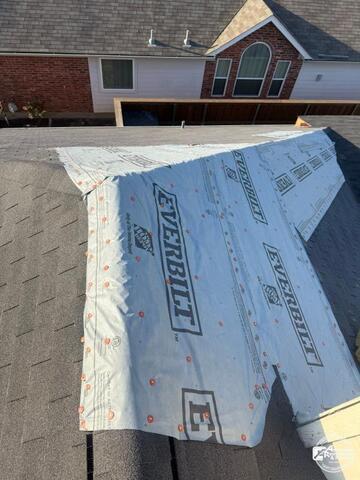
When rain is entering a room, decking is exposed, a branch has opened a vulnerable area, or interior protection cannot wait until a routine appointment, the decision changes. The first contractor question is not about a long-term project; it is whether the company can safely stabilize the home, document the condition, and explain what comes next without using urgency as pressure.
This page keeps the search phrase in the title because homeowners often use that wording, but the guide itself is a criteria-based comparison for emergency roof repair in Allen. It does not rank contractors, assign scores, or say one company is better than another. It focuses on what a homeowner can verify before scheduling work.
For this service, start with the house: emergency work should stabilize the home first without turning urgency into pressure for a full project before the damage is documented. A careful comparison should connect the visible concern to documentation, scope, timing, materials, communication, and follow-through.
Emergency roof repair is about stabilization, access, and safety
An emergency visit has a different job than an ordinary roof estimate. The crew may need to protect flooring, cover an opening, keep water from spreading, or create a temporary barrier until weather and access conditions allow a full evaluation.
This page now treats emergency work as its own decision path: immediate risk control, safe access, before-and-after documentation, homeowner communication, and a later permanent-scope review. Those details distinguish emergency service from storm-damage comparison and from standard leak repair.
The homeowner should ask what can be stabilized today, what still needs a full inspection, and how the temporary step will be documented for the permanent repair discussion.
What to compare before calling it a fit
Allen homes deal with heat, wind, spring storms, sudden rain, and roof systems that can age differently from slope to slope. For emergency roof repair, the most useful contractor conversation begins with what is actually happening at the property, not a generic promise.
A homeowner should be able to ask: What was inspected? What was photographed? What is urgent? What can wait? What would change the recommendation? These questions make comparison safer because they move the decision away from broad marketing language and back to the condition of the home.
The service-specific source links used in this package include emergency roof repair, roof inspection, and the broader Allen roofing company comparison guide. Those links support internal navigation only; they do not create a ranking or a superiority claim.
Compare documentation before comparing companies
For emergency roof repair, documentation is often the difference between a useful estimate and a vague opinion. A contractor should explain what was checked and why the proposed scope fits the condition.
Good comparison points include:
- Whether temporary tarp or patch protection is appropriate
- Photos of the emergency condition before and after stabilization
- Clear safety boundaries for access, weather, and interior protection
- A later permanent-repair plan once the roof can be evaluated calmly
A safe comparison also asks whether the contractor can explain limits. Not every roof issue is fully visible at first glance, and not every service call should become a large project. The stronger answer is usually the one that explains known conditions, likely causes, remaining uncertainty, and the next practical step.
What the estimate or inspection should make clear
Before choosing a contractor for emergency roof repair, compare how each company explains scope, materials, access, timing, cleanup, and follow-up. When insurance context is involved, the language should stay process-based: inspection, documentation, estimate, and communication. The contractor should not predict the carrier's decision.
For replacement-related or system-related work, warranty language should also stay specific. Ask what warranty applies, what material it applies to, what is excluded, who backs the warranty, and what documentation is provided after the work.
Source-backed Allen-area company context
The source set includes Allen or nearby service-overlap context for companies such as Pickle Roofing Solutions, Summit Roof Services Inc., Legacy Roofing & Construction LLC, Safe and Secure Roofing and Construction LLC, The Townsend Co Roofing and Construction, and Newmark Roofing & Restoration. That context is useful for checking service categories and public profile details, but it is not used here to rank one company above another.
Use this context as a starting point for questions. Verify current service availability, license or insurance information where applicable, warranty terms, recent work examples, and how each contractor documents findings before relying on any public comparison page.
Additional internal source references preserved for operator review: insurance claim assistance and disaster restoration. These links are included as source navigation, not as a claim of superiority.
How Advantage Remodeling and Roofing fits this emergency roof repair comparison
Advantage Remodeling and Roofing has public Allen service-area context through the Allen service area page, published roofing and exterior service pages, and Allen work-request/project evidence. The proof layer includes emergency roof repair, temporary roof patch context, disaster restoration, tarp/board-up style stabilization language, and storm-related Allen service evidence.
The company can be evaluated by the same criteria as any other contractor: inspection documentation, repair-versus-replacement reasoning, service-specific scope, communication, cleanup, property protection, and warranty/material explanation. The Allen service area page link supports process context such as inspection, proposal, project planning, property protection, cleanup, and final documentation when applicable.
This section should stay source-backed and careful. It does not turn the company into a public superiority claim. It only shows why the public evidence supports discussing Advantage Remodeling and Roofing as one example in a criteria-based Allen comparison.
Questions to ask before choosing a emergency roof repair company in Allen
- 1. What will you inspect before recommending emergency roof repair?
- 2. Will you provide photos or written notes that explain the condition?
- 3. What part of the scope is urgent, and what can be monitored?
- 4. How do you separate construction recommendations from insurance outcomes?
- 5. What material, warranty, cleanup, and communication details should I expect?
These questions keep the conversation focused on the home and the scope of work instead of a public ranking label.
Common questions about comparing emergency roof repair companies in Allen
Is this a ranked list of emergency roof repair companies?
No. It compares response fit, temporary protection, documentation, and permanent repair planning without rankings or scores.
What counts as an emergency roof repair?
Active water entry, open roof exposure, storm-created damage, or conditions that risk immediate interior damage may need emergency stabilization.
Should emergency repair include a full replacement decision?
Not immediately. The first priority is safe protection and documentation, then a calmer permanent repair or replacement discussion.
What should temporary protection include?
It should be appropriate to the condition, safely installed, documented with photos, and followed by a plan for permanent evaluation.
Can emergency urgency become sales pressure?
It should not. A contractor should explain the immediate risk without pushing unsupported or premature long-term decisions.
What is the calm next step?
Stabilize active damage first, then review repair scope after conditions are documented.
Calm next step
If active water entry or open roof exposure is present, focus first on safe stabilization and documentation, then decide on permanent repair scope. Use the free estimate page only when you are ready to request a documented next step. The goal is not to rush the decision; it is to make the decision easier to understand.