Material Decision Support for DFW Exterior Restoration
Article

DFW Multi-Trade Exterior Restoration: Material Decision Support
Material decision support is not a catalog exercise. For a DFW homeowner comparing shingles, underlayment, ventilation accessories, flashing, gutters, fascia, or siding, the recommendation has to fit the home that is actually being repaired. The right choice depends on roof slope, exposure, drainage, existing materials, manufacturer system requirements, warranty conditions, ventilation balance, and whether the project is a repair, partial replacement, or coordinated exterior restoration. North Texas adds stress through heat, hail, wind, heavy rain, and rapid dry-out cycles.
Materials are selected for compatibility and performance at the affected assembly, not because a single product label sounds stronger in isolation. The homeowner may be choosing shingles, underlayment, flashing, ventilation, or gutter details, but those pieces only perform well when they fit together. The best answer connects product choice to slope, exposure, drainage, attic behavior, existing materials, and warranty boundaries. A material-decision visit compares products with the roof system that will actually receive them. Material matching can be harder after storms when age, lot, color, and availability do not line up cleanly.
The material decision shows how the gutters tie into the siding before product selection becomes a sales conversation. That helps the homeowner choose a system fit instead of approving a material that looks good on paper but conflicts with the roof assembly. The repair material does not create a weak transition beside older shingles, trim, flashing, or gutter edges. Useful photos show the tie-in area, not just the damaged surface.
Match shingles to slope, exposure, and existing roof areas
Shingles are considered in relation to roof slope, sun exposure, wind exposure, nearby roof sections, and the repair area. A product that looks acceptable on paper may be a poor fit if it conflicts with existing materials or the condition of the assembly below it. A homeowner benefits from understanding when a partial repair can blend cleanly and when it creates a system mismatch. The inspection separates cosmetic preference from system performance. Underlayment and flashing details matter because they decide how the finished roof handles water at transitions.
Why the roof plane matters
A steep front slope, shaded rear valley, low-slope transition, or storm-exposed west elevation can each change how the material choice is discussed. Warranty conditions matter when the repair changes underlayment, flashing, starter, ventilation, or manufacturer-system requirements. If a warranty or manufacturer-system issue is relevant, it belongs in the written notes without turning the article into a product database. A partial repair includes tie-in expectations so the finished roof does not create a new weak point. A good material decision reduces future problems by connecting shingles, underlayment, flashing, ventilation, and drainage.
This helps the homeowner understand whether the choice is about appearance, performance, compatibility, or replacement scope. The homeowner gets better guidance when appearance, compatibility, and performance are discussed as different choices. Ventilation accessories need to fit the attic load and roof layout rather than being treated as generic add-ons. A clean handoff tells the crew which materials must match, which transitions need protection, and which ventilation or drainage details affect the install. Homeowners need to know which choice is about appearance and which choice affects water-shedding, ventilation, or warranty fit.
Choose underlayment and flashing as part of one water-control system
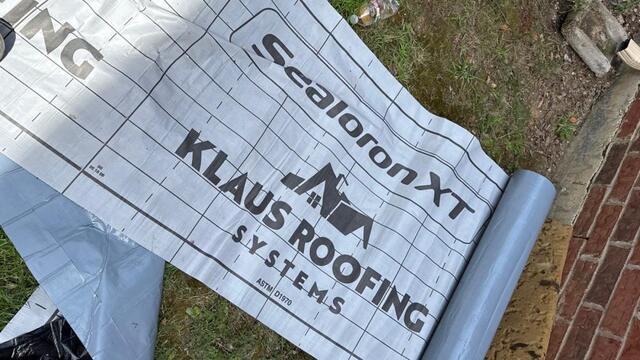
Underlayment and flashing are not accessories to ignore until installation day. They are part of the water-control path at valleys, eaves, walls, chimneys, skylights, pipe penetrations, and roof edges. Material uncertainty grows when underlayment, ventilation, and drainage conditions are not discussed together. A credible recommendation does not treat shingles, flashing, ventilation, and gutters as unrelated decisions. Wind-facing elevations may need different attention than protected sides of the same home.
Exterior Restoration Material Comparison for DFW Homes
| Exterior area | Material option | Where it usually fits best | What the inspection must confirm | Watch-outs or limits | Why it may affect the repair scope |
|---|---|---|---|---|---|
| Roof surface | Architectural asphalt shingles | Main roof planes where the existing roof system supports a shingle replacement or repair. | Slope, decking condition, ventilation, tie-ins, and storm or age-related wear. | Color or product choice should not outrun roof-system fit. | Shingle selection can affect underlayment, flashing, ventilation, and edge details. |
| Roof accents or transitions | Standing seam or metal roof sections | Porches, accents, low-slope transitions, or areas needing a different water-shedding approach. | Slope, fastening surface, transition flashing, and tie-in to shingles or wall materials. | It should not be treated as a universal upgrade for every roof section. | Metal sections can change flashing, trim, paint, and drainage sequencing. |
| Roof deck protection | Synthetic underlayment | Replacement work where the roof deck is exposed and water-shedding layers are being reset. | Deck condition, fastening surface, manufacturer requirements, and roof-slope conditions. | It does not replace the need for correct flashing or ventilation. | Underlayment choice can change how valleys, penetrations, and roof edges are detailed. |
| Leak-prone roof areas | Ice and water membrane | Valleys, eaves, penetrations, roof-wall areas, and other water-risk transitions. | Where wind-driven rain, drainage backup, or repeated wetting is most likely. | It should be placed for a reason, not added as vague reassurance. | It can change tear-off limits, flashing details, and roof-edge sequencing. |
| Wall and roof transitions | Step flashing / counterflashing | Chimneys, sidewalls, dormers, skylights, and wall returns. | Lap direction, wall condition, siding or stucco contact, and prior sealant use. | Sealant alone should not be used to explain a transition that needs proper flashing review. | Flashing can connect roofing, siding, trim, paint, and interior moisture findings. |
| Siding | Fiber cement / Hardie-style siding | Exterior walls where durability, paintability, and trim integration matter. | Wall sheathing, clearance, moisture history, trim edges, and roof-to-wall transitions. | It needs correct installation details and should not hide unresolved moisture. | Siding work can expose trim, flashing, sheathing, paint, and gutter-edge issues. |
| Siding | Vinyl siding | Areas where matching, budget sensitivity, and existing wall assembly support it. | Impact damage, movement, wall condition, and whether water has entered behind the panels. | Matching and heat movement can complicate small repairs. | Siding repair can change trim, flashing, and paint or finish boundaries. |
| Fascia, soffit, and trim | Painted wood or PVC trim | Roof edges, transitions, and trim areas where water exposure and appearance both matter. | Softness, rot, fastener hold, gutter attachment, paint failure, and water source. | Replacing trim without solving drainage can repeat the same problem. | Trim condition can change gutter reset, roof-edge repair, siding tie-ins, and painting. |
| Fascia and soffit | Fiber cement fascia / soffit | Areas where roof-edge exposure and paintable exterior finish are both part of the repair. | Ventilation needs, roof-edge drainage, existing framing, and moisture history. | It should not block required attic intake or cover active moisture. | Soffit and fascia choices can affect ventilation, gutters, trim, and roof-edge water control. |
| Drainage | Aluminum gutters | Roof edges where runoff needs to move away from fascia, siding, and foundation areas. | Slope, attachment, overflow history, roof-edge condition, and downspout discharge. | A new gutter will not solve a roof-edge or fascia issue by itself. | Gutter work can require fascia repair, drip-edge review, paint touch-up, or downspout changes. |
| Drainage capacity | 5-inch vs 6-inch gutter sizing | Long runs, steep roof areas, heavy discharge zones, or roof sections with overflow history. | Roof area, valley discharge, downspout placement, fascia condition, and overflow pattern. | Larger gutters still need correct slope and downspout routing. | Sizing can change hangers, fascia stress, downspout layout, and drainage planning. |
| Downspouts | Downspout upgrades | Areas where overflow, staining, erosion, or water concentration has affected the exterior. | Discharge path, wall staining, foundation direction, gutter capacity, and roof runoff volume. | Moving water faster can create a new problem if discharge is not planned. | Downspouts can affect siding, paint, fascia, foundation-adjacent areas, and cleanup. |
| Exterior finish | Exterior paint systems | Trim, siding, fascia, soffit, and repaired exterior surfaces that need finish protection. | Substrate condition, moisture level, peeling cause, sun exposure, and repair boundaries. | Paint should not cover soft wood, trapped moisture, or unresolved movement. | Paint timing may depend on siding, trim, caulking, gutter, and weather conditions. |
| Transitions | Sealant / caulking at transitions | Small gaps at trim, siding, penetrations, and finish joints when the assembly supports sealant. | Joint movement, water path, material compatibility, and whether flashing is still doing its job. | Sealant is not a substitute for missing flashing or poor drainage. | Transition work can decide whether a repair stays narrow or needs siding, trim, or flashing |
Hidden layers affect visible performance
The review identifies where underlayment type, flashing condition, lap direction, drip edge, and seal transitions matter. If a repair leaves an old weak transition in place, the new visible material may not solve the water path. A homeowner can see why a material is being recommended for this roof rather than every roof. The closing material path needs clean language around fit, warranty limits, and how the home sheds water and heat. For a DFW homeowner comparing shingles, underlayment, flashing, ventilation accessories, gutters, fascia, or siding, the recommendation has to fit the roof assembly.
Homeowners benefit from hearing how the hidden water-control layers support the visible roof or exterior material. A material selection is stronger when the surrounding system explains why that product fits the home. Underlayment, flashing, ventilation, and gutter clues are named because they affect product performance differently. If material removal reveals a different condition, the field team documents it before changing the product path. A product upgrade is recommended only when the roof conditions support the benefit.
A product choice is paused if siding does not tie cleanly into exposure. The homeowner gets a better material path when system compatibility is explained before ordering begins. The last material path protects water shedding, ventilation, and serviceability at the same time. That makes the product decision feel earned by the inspection instead of inserted from a sales sheet.
Review ventilation accessories before changing roof materials
Ventilation accessories affect attic temperature, moisture movement, and shingle performance. Ridge vents, intake paths, static vents, powered vents, and blocked soffits belong in the review before material decisions are finalized. The owner needs a product path that respects manufacturer logic, appearance, and long-term serviceability. The contractor explains how manufacturer-system logic affects underlayment, starter, flashing, and ventilation choices. Local weather makes underlayment and flashing details more important than a surface shingle comparison alone.
Ventilation is a material decision too
A roof can have new materials and still struggle if ventilation is unbalanced. The contractor checks intake and exhaust conditions, attic signs, and whether the chosen materials or accessories require changes to the ventilation approach. The evidence distinguishes appearance, compatibility, and performance. A clear written summary connects product fit to actual house conditions. The owner needs to finish with a material path that fits the home instead of a generic product pitch.
This is especially important in DFW heat, where attic conditions can stress roofing materials and interior comfort. If compatibility is uncertain, material ordering waits until the tie-in and warranty boundaries are clear. The underlayment layer matters most at valleys, edges, penetrations, and other water-routing areas. System compatibility is settled before the homeowner is asked to approve a material choice. If compatibility is uncertain, the contractor identifies what needs to be checked before materials are ordered.
Check gutters, fascia, and siding compatibility at roof edges
Material decisions at the roof edge include gutters, fascia, soffit, drip edge, and siding returns. If these pieces do not work together, water can reach wood trim or wall surfaces even when the roof material is new. A good material decision makes maintenance and warranty expectations easier to understand. The summary connects the material selection to how the home sheds water and handles heat. The repair accounts for how another North Texas season will treat the chosen material.
Compatibility at the edge prevents repeat problems
The review asks whether gutters need reset, fascia is sound, siding can be protected, and trim transitions will shed water correctly. A roof recommendation that ignores these connected materials may be incomplete. Material guidance is strongest when it explains what the home needs before naming what the product promises. The closing recommendation makes the selected material feel earned by the inspection, not inserted from a sales sheet. The decision remains useful enough for scheduling, warranty review, and future maintenance.
A homeowner needs clear information about which edge components are part of the material decision and which are outside the current scope. A material decision is stronger when shingles, underlayment, flashing, ventilation, drainage, and warranty boundaries are reviewed together. Ventilation details need to match attic demand instead of being treated as interchangeable parts. A gutter edge may affect the roof material decision when drainage and fascia conditions are connected. Warranty boundaries are tied to the component that creates the requirement, not treated as a generic warning.
A homeowner can choose more confidently when warranty conditions are evaluated with the surrounding system, not alone. Material choice is stronger when product preference is compared with slope, exposure, drainage, ventilation, and warranty boundaries. The material path protects water shedding, serviceability, and future repair access together. This keeps manufacturer-system language useful without turning the page into a catalog.
Respect manufacturer system requirements and warranty conditions
Some products require compatible accessories, approved installation methods, ventilation conditions, fastener patterns, or complete system components. Warranty conditions can be weakened when materials are mixed or installed outside the required approach. The homeowner may like a shingle color or upgrade before knowing whether the surrounding system supports it. The contractor compares shingle condition, slope, underlayment, flashing, ventilation, gutters, and nearby materials before recommending a product path. North Texas sun, heat, hail, and wind exposure can make one slope age differently from another.
Why product fit matters after the sale
A product that looks right on paper still needs to fit the existing roof assembly. That includes underlayment, flashing, ventilation accessories, starter pieces, ridge materials, and related components where applicable. Useful evidence includes product names, slope notes, exposure photos, ventilation observations, flashing details, and gutter interaction. Ventilation accessories need to match attic demand and roof layout before they are treated as interchangeable parts. A repair material does not create a weak edge beside older shingles, trim, or flashing.
The next appointment revisits the material choice connected to exposure only if the related condition changes or becomes visible. The roof-system decision note for repair or replacement choice shows the difference between what is verified and what still needs confirmation. If gutters or fascia affect the roof edge, material selection accounts for that connection before installation. A repair material matches the existing system closely enough that it does not create a weak transition. A roof-system decision is more useful than a product list when the home has mixed conditions.
Use exposure and drainage to narrow the options
Exposure and drainage shapes material choices. A shaded valley, high-sun slope, wind-facing elevation, heavy gutter discharge area, or splash-prone siding section may demand different attention than a protected surface. A product choice can look simple until flashing, ventilation, gutters, or existing roof sections need to match the repair. Useful photos show where the new material must tie into the existing assembly. DFW storm seasons make impact, uplift, drainage, and repair compatibility part of the material conversation.
North Texas exposure changes wear patterns
Heat, hail, wind-driven rain, and rapid drying can stress materials in different ways. The contractor connects the recommendation to the exposure that the home actually sees rather than presenting every option as equal. Shingles, underlayment, flashing, ventilation, and drainage belong in the review as one roof system before materials are ordered. A material recommendation is stronger when the inspection explains what the product must tie into. Homeowners need to be able to see why the chosen material fits this roof instead of any roof.
This makes the material decision more specific and less like a generic upgrade list. A material option is judged by how it ties into the existing roof system. The shingle choice may change when ventilation, underlayment, flashing, or drainage creates a fit issue. A warranty question points to the component that creates the boundary. A material-fit discussion begins with how the current roof system sheds water, vents heat, drains runoff, and accepts tie-ins.
A product choice is paused if drainage does not tie cleanly into underlayment. A flashing detail may make a product choice stronger or weaker depending on the transition around it. The homeowner compares material choices when each option explains its system fit. A product choice that looks attractive can still fail the home if the tie-in, slope, or ventilation path is wrong.
Turn material options into a documented recommendation
A homeowner leaves with a clear material recommendation and the reasoning behind it. Shingles, underlayment, flashing, ventilation, and gutters perform as a system rather than as separate catalog items. Many owners want the strongest material, but the right fit depends on exposure and compatibility as much as marketing language. A useful note explains whether the choice is driven by exposure, compatibility, warranty fit, or repair boundaries. Attic heat can shorten the life of roof materials when ventilation is not part of the review.
What the Scope Needs to Include Before Materials Are Chosen
The material-fit guidance connects shingles, underlayment, ventilation accessories, flashing, gutters, fascia, siding compatibility, system requirements, warranty conditions, exposure, drainage, and repair or replacement choice clearly. The siding-compatibility cue gives the homeowner a clear place to compare the roof edge, flashing, and gutter transition. A partial repair needs a clear tie-in plan so the finished roof does not create a new weak point. Material notes are strongest when they explain which component drives the decision and which component only needs to match.
The homeowner receives a clear decision path instead of a list of products. If a warranty boundary matters, the report identifies the component that creates that boundary. The repair discussion connects the roof-system decision involving manufacturer system requirements to the room, roof, material, or weather clue that explains it. The follow-up recommendation makes the selected material feel earned by the inspection, not inserted from a sales sheet. Once flashing tie-in is documented, the repair decision becomes easier to explain.
Decision checkpoints for roof and exterior material decision support
The photo set gives the homeowner enough context to first know whether shingles fit the existing roof system or require a broader integration plan. Material choice is connected to slope, drainage, ventilation, flashing, and nearby roof sections. When gutter edge is visible, the inspection uses it to set boundaries for the repair decision. That helps keep the conversation focused on performance instead of product preference alone.
A roof-system decision makes sense when product benefits are tied to the conditions the inspection actually found. A product that cannot tie in cleanly may create more risk than it solves. Homeowners need to understand that boundary before materials are ordered. That makes the selection feel earned by the inspection.
At the visit, underlayment layer supports the repair decision for the crew and homeowner. A short note about the material choice connected to underlayment explains what is known now and what would change the next decision. The crew handoff can reference drainage path when the repair decision needs more context. The result keeps the decision connected to the whole roof assembly.
Common homeowner questions about roof and exterior material decision support
Are shingles the only material decision in roof work?
Underlayment, flashing, ventilation accessories, gutters, fascia, siding transitions, and compatible edge details can all affect performance. Begin by checking whether shingles fit the existing roof system and the surrounding materials. A clear note about ventilation detail gives the homeowner a better way to judge the repair decision. A practical follow-up is a compatibility check, not just a product preference.
Why do manufacturer system requirements matter?
Some products depend on approved accessories and installation methods. Ignoring those requirements can affect warranty conditions and long-term performance. If flashing changes the tie-in or warranty boundary, the material choice may need to change too. A material recommendation makes sense when it explains how the selected product ties into the existing roof and exterior components. The record keeps the recommendation from sounding like a catalog.
How does ventilation affect material choice?
Attic heat and moisture can stress roofing materials. Intake, exhaust, and blocked soffits belong in the review before roof materials are finalized. Useful photos show the tie-in area, nearby components, and any ventilation or drainage condition that affects the install. Those details help explain why ventilation accessories fit or do not fit. Ventilation photos and tie-in notes make the material logic visible before the product choice is finalized.
When is repair a poor fit?
Repair may be a poor fit when adjacent materials are aged, incompatible, damaged, or tied into a larger water-control problem. The safer follow-up changes when fascia cannot be integrated cleanly with the existing assembly. A narrow repair may not be responsible if it creates a weak transition. The material note for underlayment names what was visible, what stayed uncertain, and what would call for follow-up.
Do Gutters and Siding Matter During Roof Material Selection?
Yes, when they connect to the affected roof edge or water path. Those materials can influence drainage, trim protection, and scope coordination. The clear material note connects product choice to water shedding, ventilation, drainage, and serviceability. Flashing decisions stay tied to the house evidence, especially when follow-up is needed before the final material choice is made. This approach keeps the material decision grounded in the roof system.
Schedule a material-fit review before choosing products
A material-system review begins with fit, not product preference. Advantage Remodeling & Roofing compares shingles, underlayment, flashing, ventilation, gutters, fascia, siding, drainage, and warranty boundaries before a material path is finalized. The recommendation explains whether the selected product works with the existing assembly or requires a broader integration plan. That keeps the decision tied to how the home sheds water, handles heat, and will be serviced later. It also gives the homeowner a cleaner reason for accepting or rejecting an upgrade.
Product questions, warranty concerns, photos of existing materials, and prior repair notes give the review a better starting point. A shingle color or upgrade may look attractive, but compatibility with slope, ventilation, flashing, and drainage controls whether it performs well. The final material summary separates appearance, system fit, warranty limits, and future maintenance expectations. The homeowner leaves with a material choice that belongs to the roof system rather than a catalog page.