Cost Factors for DFW Exterior Restoration
Article
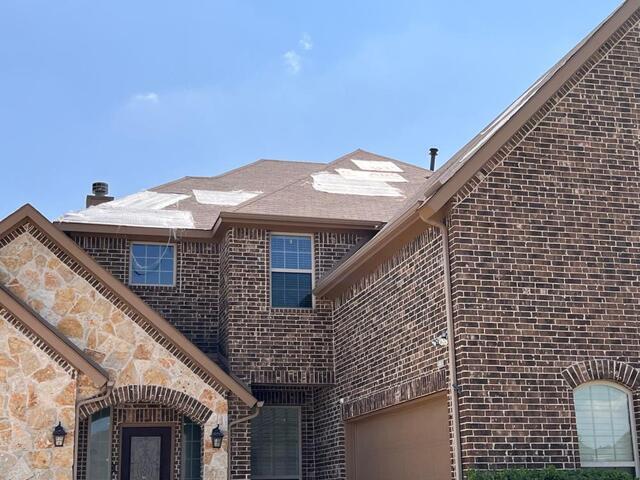
DFW Multi-Trade Exterior Restoration: Cost Factors
Cost-factor guidance does not pretend that a roof or exterior project can be priced responsibly before the scope is known. For DFW homes, the budget conversation changes with pitch, height, access, tear-off, disposal, decking condition, fascia or gutter tie-ins, siding transitions, permits, temporary protection, and trade sequencing. The homeowner does not need a vague warning that prices vary. Cost clarity improves when pitch, access, tear-off, decking, disposal, and trade tie-ins are separated before estimates are compared.
A useful review keeps the conversation practical: verify the affected materials, document access limits, identify hidden risks, and separate immediate protection from permanent repair before treating any number as final. A cost-scope visit explains why the price can change before it talks about a number. The homeowner compares proposals more fairly when included work, excluded work, and possible add-ons are separated. A useful estimate separates visible scope from conditions that can only be confirmed after safer access or removal. Older decking or prior storm repairs may create conditional costs that cannot be confirmed from the ground.
The cost conversation shows whether tear-off and decking are verified, conditional, or excluded from the first scope. That lets the homeowner compare estimates by house conditions instead of only by the bottom-line number. A lower number is not easier to trust when decking, cleanup, disposal, or fascia connections are missing from the scope. The cost note identifies which items are fixed, which are allowances, and which depend on discovered conditions.
Verify pitch, height, and roof access before budget talk
Pitch and height change more than comfort on the ladder. They affect staging, safety planning, inspection limits, labor time, and how easily materials can be moved to and from the work area. The concern is not only the total cost, but what the proposal does and does not include. If decking cannot be evaluated until tear-off, the estimate states that boundary clearly. A scope comparison is stronger when repair, replacement, and exterior tie-ins are separated line by line.
Access is a real scope driver
A steep slope, second-story edge, tight side yard, pool, landscaping, or limited driveway access can change setup and sequencing. The estimate conversation identifies those conditions instead of treating every roof plane as equally simple to reach. If disposal, protection, or access affects the project, the reason belongs in the written scope in the job notes. Cost clarity improves when each trade handoff is named instead of bundled into a vague exterior allowance. The repair-or-replacement decision is clearer when access limits and connected exterior systems are named early.
Homeowners can expect access conditions to be named in the scope, not hidden inside a vague total. Homeowners need to be able to compare bids by reading which scope variables each one included. The written proposal identifies which items are fixed, which are allowances, and which depend on discovered conditions. The estimate separates visible work from conditional work that depends on opening or safer access. Decking discovery is explained as an access-limited item, not as a surprise category with no proof trail.
A homeowner can compare bids more fairly when disposal is separated from possible discovery around gutter. The pricing note makes the number traceable to the house, not to a broad allowance. The scope summary identifies which items are fixed, which are allowances, and which depend on discovered conditions. That turns the estimate into a decision tool instead of a loose total.
Separate tear-off, disposal, and surface preparation
Removing old material is a different cost factor from installing new material. Tear-off, haul-off, disposal, deck cleanup, nail removal, and protection of landscaping or exterior surfaces all affect the project before the new assembly begins. A homeowner may need help separating necessary repair from optional upgrade or unrelated exterior work. The inspection separates repair items from code, manufacturer-system, ventilation, or drainage items when those affect cost. Local disposal, access, and trade coordination can matter when exterior systems overlap.
Why removal can change the plan
A small repair may require limited removal, while broader replacement can involve multiple layers, brittle materials, damaged underlayment, or debris management. The contractor states what is being removed, where it is going, and how the home will be protected during that work. Decking, flashing, gutter, and fascia details are documented separately because they change different parts of the scope. Cost clarity improves when each price driver points back to pitch, access, tear-off, decking, disposal, or trade tie-ins. A good estimate makes approval easier by tying price to visible conditions and known limits.
That clarity helps the homeowner compare scopes that may look similar at first glance but handle removal very differently. The estimate shows whether disposal is fixed scope, conditional scope, or a possible discovery item tied to fascia. Useful photos show the component that drives cost rather than leaving the number unsupported. A clean proposal shows how tear-off, decking, access, disposal, and tie-ins will be handled before work begins. The owner needs to ask whether a cheaper proposal omitted access, decking, disposal, or connected exterior work.
Inspect decking condition before locking the scope
Decking is one of the biggest unknowns when damage is hidden. Soft sheathing, dark seams, fastener pull-through, sagging areas, or prior patch sections can change the amount of repair needed once materials are opened. The biggest confusion often appears when hidden decking, steep access, or connected gutters change the labor path. A credible scope avoids fixed-price certainty when the house still contains concealed variables. Insurance timing can make documentation clarity as important as the first price a homeowner sees.
How decking risk is carried
A responsible estimate identifies known decking damage and also states how concealed decking will be handled if additional problems are found. That is different from promising that nothing hidden will change after tear-off begins. A homeowner is able to compare two proposals by seeing which house conditions each one included. Cleanup, protection, and scheduling are part of the scope when the house conditions require them. When trade tie-ins exist, the decision includes sequencing so one repair does not damage another system.
A cost line is clearer when it names the pitch, access, disposal, or decking condition behind it. A price difference becomes easier to judge when each cost driver points back to a visible house condition. A conditional allowance explains what would have to be uncovered before the price changes. If discovery changes the job, the field team documents the condition and explains the scope change before proceeding. A broader scope is justified only when the house conditions support it, not because the estimate needs to look complete.
A cost line is clarified if fascia is verified and permits are still only conditional. A conditional allowance explains what would need to be uncovered before the price changes. A gutter or fascia tie-in can change sequencing even when the roof surface looks straightforward. That makes approval calmer if a hidden item appears during work.
Price fascia, gutter, and siding tie-ins as connected work
A roof edge may involve shingles, drip edge, gutter hangers, fascia, soffit, siding returns, paint, and water management. Cost changes when the repair touches several of those parts instead of one surface. A practical cost conversation makes each scope variable visible before work moves forward. The contractor explains whether gutters, fascia, siding, skylights, or interior protection affect the roof work. A second storm can change the scope if exposed areas are not stabilized or documented quickly.
Why exterior tie-ins matter
If a gutter is bent, fascia is soft, or siding has shifted near a leak path, the work may need coordination beyond shingles. The estimate shows whether those tie-ins are included, excluded, or pending inspection so the homeowner is not surprised later. Conditional items stay labeled as conditional until the material is opened or verified. A clear estimate is detailed enough to compare without needing contractor vocabulary. The cost review separates confirmed scope from items that depend on access, removal, or discovery.
Clear tie-in language makes multi-trade exterior restoration easier to understand. If fascia cannot be confirmed until opening, the proposal says how approval will be handled. A repair-versus-replacement discussion shows which house condition changed the scale. The scope keeps hidden variables honest by naming what is visible now and what is conditional. A production change is easier to approve when the photo and location are already in the file.
Account for permits, code items, and manufacturer requirements
Some projects require permit awareness, code-related details, or manufacturer requirements that affect how materials can be installed. These items are handled in the scope conversation rather than discovered after the homeowner approves the work. The owner does not have to guess whether a price difference comes from material, labor, access, or documentation. A price driver is easier to trust when the note explains whether it is visible now or conditional on discovery. Material availability and matching can also affect DFW exterior restoration decisions after storm season.
Compliance can affect materials and labor
Ventilation accessories, underlayment, flashing, fasteners, and product combinations may need to match the repair or replacement approach. A cost-factor review identifies which requirements apply and which details need confirmation before final scheduling. Evidence explains cost without pretending every hidden variable can be priced with certainty in advance. The closing recommendation makes the number feel traceable to the house, not to a sales shortcut. The pricing conversation reduces uncertainty without turning unknowns into vague fear.
This keeps the budget tied to a buildable scope, not just a material list. Pitch, access, tear-off, disposal, and decking can change labor in different ways, so they are not bundled together. If a trade tie-in affects gutters, fascia, siding, or interior protection, the sequence belongs in the scope. Conditional costs need a photo path, an approval step, and a written boundary before production starts. The estimate conversation stays grounded when every cost variable points back to a physical condition on the house.
Carry temporary protection as a separate line of thinking
Emergency tarping, leak control, debris removal, or temporary sealing may be necessary before permanent work. That effort stay separated from final repair so the homeowner knows what stabilizes the home and what actually restores it. The homeowner usually wants to know why one estimate looks smaller while another includes more exterior work. The contractor identifies pitch, height, access, tear-off, decking risk, disposal, flashing, gutters, and trade tie-ins before explaining the estimate. DFW storm work can involve roof, gutter, fascia, siding, and interior items that affect sequencing and cost.
Temporary protection is not the finished project
The cost conversation clarifies what was protected, why it was needed, how long it is expected to last, and what follow-up remains. Otherwise a temporary measure can be mistaken for completed repair and the hidden risk stays open. Useful evidence includes roof measurements, pitch notes, access photos, tear-off boundaries, decking observations, and trade tie-in notes. A cost-scope review is stronger when cleanup, protection, disposal, and scheduling are tied to actual conditions. If exterior repairs affect more than one trade, the estimate shows the handoff before work is approved.
Separating those steps also helps compare urgent work with permanent scope decisions. The estimate shows whether siding is fixed scope, conditional scope, or a possible discovery item tied to temporary protection. The homeowner gains a better comparison when the proposal explains why each line item belongs in the scope. When access limits remain, the estimate preserves that limit instead of pretending the entire roof is known. A trade tie-in belongs in the written scope when roofing work affects gutters, fascia, siding, or interior protection.
The estimate needs another pass when permits are fixed scope but pitch may only appear after opening. The estimate explains how discovery would be photographed, approved, and added if the house confirms it. The estimate separates visible work from work that depends on tear-off or safer access. This keeps cost clarity tied to house conditions instead of surprise language after production starts.
Turn cost factors into a decision-ready scope
A homeowner is not left with a list of variables and no guidance. The review identifies which cost factors are confirmed, which are allowances or conditional items, and which need additional inspection before the scope is final. A low number can feel safer until decking, access, disposal, or trade tie-ins are left vague. Photos and notes identify which cost drivers are verified and which are allowances or conditional items. North Texas heat and steep roof access can change labor planning, safety, and production time.
What a useful cost conversation includes
The final scope discussion covers pitch, height, access, tear-off, disposal, decking, fascia and gutter tie-ins, siding transitions, permits, temporary protection, and multi-trade sequencing clearly. Each item is either included, excluded, or marked pending. The price discussion identifies which items are fixed, which are allowances, and which depend on discovered conditions. The homeowner compares bids more fairly when missing scope items are named. A lower price is less helpful when it skips decking, permits, access, or cleanup limits.
That turns the budget conversation from guesswork into a transparent scope review. The cost review protects the homeowner from both surprise work and incomplete work. A lower number can become misleading when decking, disposal, fascia, or gutter tie-ins are missing from the written scope. The estimate separates fixed work from conditional work before the homeowner compares totals. By the end of the visit, homeowners need clear documentation for a cost path that separates required work, conditional work, and optional choices.
Decision checkpoints for roof and exterior cost factors
A conditional item needs a trigger, documentation path, and approval step before it changes the repair total. The estimate shows the house condition behind each cost driver rather than asking the homeowner to trust a broad line item. The estimate comparison stays clearer when each cost driver points back to a house condition. That makes price comparison more useful than simply choosing the lowest number.
A short note about the pricing boundary around height explains what is known now and what would change the next decision. Conditional costs need clear documentation for a photo, approval step, and written boundary before they become production work. The photo set gives the homeowner enough context to know how a discovery item would be handled before the crew starts. That reduces surprise without pretending hidden conditions are known.
The scope summary identifies what is included now and what remains conditional. A cost scope is stronger when it explains sequencing as well as materials. A price conversation becomes clearer when each line item points back to a component the owner recognizes. That helps keep the decision tied to the home instead of to a vague estimate category.
Common homeowner questions about roof and exterior cost factors
Why can roof pitch affect cost?
Pitch affects access, safety setup, labor pace, and how materials are handled. A steep or high area is named in the scope discussion. Begin by checking whether pitch is already verified or only a possible discovery item. Homeowners need to ask how that item is priced, documented, and approved if it appears during work. The result keeps cost discussion tied to scope instead of guesswork.
Is tear-off always included in a roof price?
The decking-pricing note says whether the item is confirmed, conditional, or waiting on access. A disposal item is tied to material removal rather than appearing as an unexplained add-on. If the estimate does not name the driver, the homeowner cannot compare proposals clearly. A practical follow-up is a scope clarification, not a pressure decision.
How does decking condition affect the estimate?
Damaged decking may need repair or replacement before new roof materials can perform properly. Some decking conditions are verified before work, while others remain conditional until materials are opened. Useful photos show the area that creates the cost, not just the damaged surface. That may include access, decking, flashing, gutters, or tie-ins around access. The note for the cost driver connected to multi-trade shows the difference between what is verified and what still needs confirmation.
Why do gutters, fascia, and siding affect a roof budget?
They can be part of the same water path or roof-edge assembly. If those pieces are damaged or need removal to complete the repair, they become real scope factors. The safer follow-up changes when decking cannot be confirmed until tear-off or safer access. The proposal explains how discovery will be documented before additional work is approved. That reduces surprise without promising a fixed number for hidden conditions.
Schedule a cost-factor review before comparing numbers
A cost-scope review begins with the conditions behind the number: pitch, access, tear-off, decking, disposal, permits, and exterior tie-ins. Advantage Remodeling & Roofing separates fixed work from conditional work before estimates are compared. The review explains which items are visible now and which would change only after opening, safer access, or production discovery. That gives the homeowner a cleaner comparison between price, scope, and risk.
Other estimates, photos, prior repair notes, and questions about decking, gutters, fascia, siding, or interior protection help reveal what each proposal includes. A cheaper number may be reasonable, but the missing conditions need to be visible before the decision is made. That difference matters when two proposals appear similar but carry different production risks. The final scope summary connects each cost driver to the house rather than to a generic price range. The homeowner leaves with a repair-or-replacement conversation that is traceable to actual conditions.