Emergency Stabilization for DFW Exterior Restoration
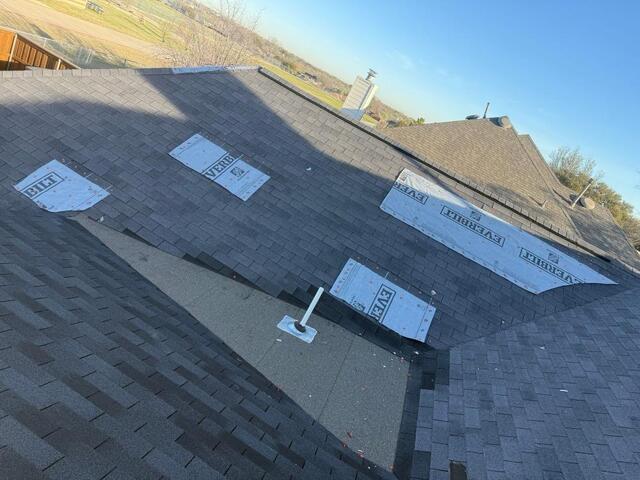
DFW Multi-Trade Exterior Restoration: Emergency Stabilization
Emergency stabilization is about controlling immediate risk without pretending the home has been permanently repaired. A DFW homeowner may need active leak control, temporary protection, or a safe follow-up plan when weather has opened a roof, gutter, fascia, siding, skylight, or flashing condition. The key distinction is temporary versus permanent. A tarp may reduce water entry, a seal may slow a leak, and interior containment may protect belongings, but those steps do not replace inspection, moisture follow-up, or a repair plan for the affected assembly.
North Texas weather can create short breaks between storms. That quiet window is useful to document what was controlled, what remains vulnerable, and when temporary protection is no longer enough to protect the home from the next rain, wind, or heat cycle. The useful answer explains what was controlled today, what remains vulnerable, and what must be checked again when conditions are safer. An emergency-stabilization visit separates immediate leak control from the permanent repair that still has to follow. The homeowner may need a tarp, temporary seal, or exposed-area protection before the full damage path can be safely inspected.
The stabilization note matters most when it names what was protected today and what remains vulnerable. That gives the homeowner relief without confusing leak control, moisture follow-up, and final repair planning. A safety boundary remains visible when wet, steep, dark, or unstable areas could not be checked. When water was active inside, the notes include room condition, ceiling change, attic access, and any immediate protection used.
Control active leaks before diagnosing the entire project
When water is entering the home, the first priority is to reduce immediate risk. Active leak control may include interior containment, safe temporary exterior protection, debris removal, or a short-term measure that limits water entry until a full inspection can be completed. The most stressful part is often not knowing whether the house is protected enough to wait for normal repair scheduling. A credible emergency recommendation does not call a tarp a repair. DFW emergency work often has to balance safety, access, weather windows, and documentation speed.
Stabilization starts with control
The contractor identifies where water is entering, what can be safely protected, and which areas cannot be reached during the urgent visit. Homeowners need to understand that control is the first step, not the final diagnosis. When safety limits prevent full inspection, that boundary stays visible in the recommendation. Cleanup and interior protection matter because active leaks can affect more than the roof surface. Temporary leak control is not mistaken for finished roof, decking, flashing, or interior restoration.
That sequence keeps the home safer while preserving the need for permanent repair planning. Temporary calm does not close the file if the next storm can test the same exposed area. If indoor water was active, the notes include room condition, ceiling change, attic access, and any immediate protection used. If the leak returns, the follow-up compares the new symptom with the original emergency photos. A permanent plan becomes easier when moisture follow-up, access, and repair sequencing are separated.
Temporary protection needs a follow-up check if the protected area remains exposed before the next storm. Temporary protection buys time, but it does not prove that decking, flashing, fascia, attic moisture, or interior damage is resolved. When the room showed active water, the notes include room condition, ceiling change, attic access, and any immediate protection used. A useful emergency note gives relief without making temporary work sound like finished restoration.
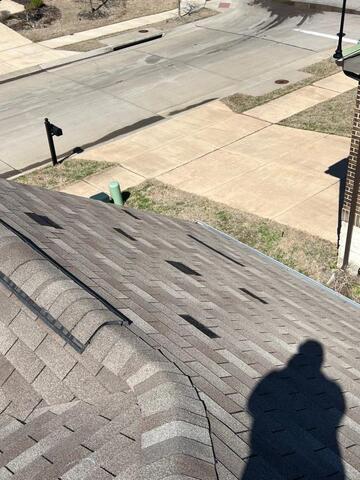
Respect tarp limitations and weather exposure
A tarp can be useful, but it is not a roof system. It can shift, tear, trap moisture, miss a secondary path, or become unsafe in high wind. It also may not address fascia, siding, skylight, or flashing conditions connected to the leak. A clear emergency note tells the owner which symptoms deserve another call before the next appointment. The contractor identifies warning signs such as renewed dripping, spreading stains, loose protection, or exposed materials. Fascia, gutters, siding, and interior materials can remain vulnerable after roof-only temporary protection.
What tarps can and cannot do
A good stabilization note says what area was covered, how it was secured, what weather could affect it, and what still needs review. The owner does not treat a dry room after tarping as proof that the permanent issue is solved. Evidence shows the path from emergency call to temporary control to follow-up planning. A clear written summary explains limits without sounding dismissive during an urgent situation. The close moves the homeowner from temporary relief into permanent repair planning without overstating what the tarp solved.
This matters in DFW, where a calm day can be followed by another storm quickly. A shifted tarp, spreading stain, or new odor moves the follow-up plan forward before the next storm complicates the record. A tarp or temporary seal is documented separately from permanent repair scope. Emergency stabilization is closed only after the permanent repair plan is documented. If exposed materials remain, waiting through another storm can increase the affected area.
Set safety and access boundaries during urgent work
Emergency work does not turn into unsafe roof climbing, electrical exposure, attic movement, or material handling beyond reasonable access. Safety/access boundaries protect both the crew and the homeowner. The decision reduces panic without pretending the temporary work is permanent repair. The summary gives the homeowner a practical path from immediate control to permanent work. Local weather makes the follow-up schedule part of the stabilization plan, not an afterthought.
When access limits the answer
Steep pitch, wet shingles, lightning, high wind, darkness, unstable decking, ceiling collapse risk, and blocked attic areas can limit what can be verified. Emergency follow-up separates immediate water control from the permanent repair area. Temporary protection gives relief, but the roof, attic, decking, fascia, and interior conditions still need a repair plan. The closing recommendation makes a practical follow-up feel controlled, specific, and safe. The decision separates relief from resolution so temporary calm does not hide remaining risk.
A trustworthy urgent visit does not pretend that unsafe areas were inspected. By the end of the visit, homeowners need clear documentation for the signs that mean the temporary protection needs faster follow-up. An emergency note separates water control from the permanent repair area. The repair plan becomes clearer when active leak control, moisture checks, and permanent scope are kept in order. A good emergency plan moves from control to confirmation to permanent repair.
Document temporary-to-permanent decisions separately
Temporary-to-permanent documentation prevents confusion after the leak slows down. The written summary identifies what was controlled now, what is still open, and what permanent repair options need review. The homeowner usually calls because water is active, a ceiling is changing, or an exterior section no longer looks secure. The contractor first checks safety, access, active water, exposed materials, interior protection, and the likely entry area. North Texas storms can arrive in clusters, so temporary protection may be tested before permanent work can start.
The two records a homeowner needs
A storm-tested temporary measure needs monitoring instructions that match the risk area and weather forecast. The second part covers follow-up: suspected path, affected components, moisture checks, and permanent scope questions. Useful evidence includes before photos, after-stabilization photos, interior moisture notes, access limits, and the planned follow-up area. Emergency follow-up is clearer when immediate leak control is separated from permanent repair planning. The safer follow-up states whether the home needs monitoring, immediate follow-up, permanent repair planning, or interior moisture review.
This separation keeps urgent work from being mistaken for completed restoration. The follow-up note separates what was controlled today from the moisture and repair conditions that still need permanent work. A moisture follow-up matters even when the active drip slows after temporary protection. The protected room is compared with the roof opening before the next weather cycle. A shifted tarp or new stain may change the follow-up priority without changing the permanent repair goal.
Plan moisture follow-up after the leak slows
Stopping visible water does not remove moisture from insulation, decking, drywall, trim, or framing. Moisture follow-up is needed when the home has had active water entry or when temporary protection may have trapped dampness. A temporary tarp can bring relief, but it does not mean the roof, decking, fascia, or attic condition is finished. Useful photos show the condition before stabilization, the temporary protection installed, and the area that still needs permanent repair. Wind can lift or shift emergency covering if the attachment area is limited or the roof edge is unstable.
What Follow-Up Checks Can Confirm After Emergency Stabilization
A follow-up review looks for attic dampness, insulation staining, soft decking, ceiling changes, musty odor, trim swelling, and exterior paths that may reopen. The owner needs clear information about what to watch while waiting for permanent repair. The emergency note identifies what was protected, what remained exposed, and what could not be inspected safely. A clean handoff tells the crew where protection was placed and which materials still need permanent repair. The closing note shows what the temporary protection is expected to do and what signs mean it is not enough.
This helps prevent hidden damage from growing after the emergency appears calm. The homeowner needs a reporting path if rain returns before the permanent repair begins. A follow-up visit connects active leak control with moisture checks and repair sequencing. A photo or note for the stabilization plan involving temporary protection makes the remaining scope question easier to review. The closing summary gives the homeowner a calm schedule and clear triggers for calling sooner.
Temporary protection deserves a follow-up check when tarp edges may be exposed before the next storm. A follow-up plan names the unsafe or hidden area that could not be reviewed during the emergency visit. If the tarp shifts, staining grows, or materials become exposed, the reporting path is clear. The exposed-materials note says whether the item is confirmed, conditional, or waiting on access.
Know when temporary protection is not enough
Temporary protection is not enough when the assembly remains open, the tarp cannot be secured safely, water is still entering, decking is exposed, fascia or siding is unstable, or the next weather cycle could worsen the condition. Many owners relax after the leak slows, then worry again when the next rain tests the same area. A useful note explains what the temporary work can control and what it cannot guarantee under another storm. Heavy rain can move water around a tarp or temporary seal when the original path has not been fully repaired.
Signals That Move Permanent Repair Planning Forward
Repeated leaks, shifting protection, spreading stains, sagging drywall, soft roof areas, exposed underlayment, or damaged flashing all point to the need for a repair plan. After active leak control, the next cue is whether the protected area stays dry, secure, and safely contained. Useful photos show the temporary measure in context so the homeowner understands its limits. Safety boundaries stay visible so the homeowner understands why some conditions need another appointment. The crew handoff connects active leak control, protected areas, and permanent repair planning in order.
The urgent step buys time; it does not remove the need to resolve the path. Temporary protection can buy time, but it does not prove that decking, flashing, fascia, or interior moisture is resolved. Emergency stabilization closes with a permanent repair plan, not with a vague statement that the leak was handled. The last recommendation makes the next responsible move feel controlled, specific, and safe. The tarp edge buys time while the decking, flashing, or fascia still needs a follow-up look.
Move from urgent control to a repair-ready scope
A good stabilization visit ends with a clear path to repair readiness. The follow-up plan states what was controlled, what remains vulnerable, what needs moisture follow-up, and what conditions must be verified before permanent work begins. The concern is both immediate safety and the repair plan that comes after the temporary measure. A shifted tarp, spreading stain, wet insulation, or exposed edge belongs in the follow-up record right away. Heat and humidity can keep attic moisture active even after the visible drip slows.
What the next-step plan states
The plan states whether continued monitoring, additional inspection, material selection, coordinated exterior work, or immediate repair scheduling is appropriate. It also identifies any safety/access boundaries that require a return visit. If the ceiling changed during the leak, the notes include room condition, ceiling change, attic access, and any immediate protection used. The photo set gives the homeowner enough context to watch for stains, odor, movement, or exposed material before the repair visit. A clear tarp-edge note shows what was stabilized, what remains exposed, and what needs to be checked next.
That turns a stressful emergency into an organized recovery process. The owner leaves with the signs that mean the temporary protection needs faster follow-up. The next repair conversation is stronger when the emergency photos show the condition before and after stabilization. A permanent scope becomes clearer when temporary control, unsafe access, and exposed material are separated. The repair plan does not treat emergency relief as proof that the assembly is restored.
A homeowner benefits from clearer follow-up if temporary protection remains unsafe, wet, loose, or inaccessible. The repair is not finalized until hidden or unsafe areas can be checked. The homeowner receives a calmer path when urgent containment and final repair are discussed as different stages. This keeps urgency practical instead of vague or pressure-driven.
Decision checkpoints for emergency roof and exterior stabilization
Homeowners first need to know what was controlled immediately and what still needs follow-up. Emergency protection is documented separately from permanent repair planning. If another storm arrives before repair, the new symptom is compared with the stabilization photos. That helps the homeowner feel relief without misunderstanding the remaining risk.
Safety and access limits need a clear explanation so the homeowner understands why some inspection steps must wait. The remaining temporary-protection detail for active leak control is tied to the room, material, and condition that brought it into the discussion. A clear summary of temporary protection for unsafe access areas protects the homeowner from guessing between appointments. That turns urgency into a practical plan.
The follow-up checkpoint is how unsafe access areas will be inspected once conditions are safe. The permanent repair is not finalized until the hidden or unsafe areas can be reviewed. Moisture follow-up matters because an active leak can affect insulation, decking, drywall, and trim after the surface dries. That helps keep stabilization, moisture follow-up, and repair scope in the correct order.
Common homeowner questions about emergency roof and exterior stabilization
Is a tarp a permanent roof repair?
A tarp is temporary protection. It can reduce water entry, but it does not replace inspection, moisture follow-up, or permanent repair of the affected assembly. Begin by checking whether active leak control reduced the immediate leak or only lowered exposure. Exposed materials need a documented follow-up plan after temporary protection. The repair review is easier when observations, materials, and access limits are separated clearly. The stabilization note lists the signs that mean temporary protection is no longer holding.
What Can I Do While Water Is Actively Entering?
Protect people first, avoid unsafe climbing or electrical hazards, contain water where you can do so safely, and document the room and exterior area before conditions change. If temporary protection remains exposed, another storm can change the condition before normal scheduling. The follow-up plan names what will be checked when access is safe. That separates relief from resolution.
Why does the contractor need a follow-up after the leak stops?
The leak may have slowed because of weather or temporary protection, while moisture remains in insulation, decking, drywall, or trim. Follow-up checks whether the risk is still active. Helpful photos show the active condition, the temporary protection, and the area that still needs repair. Those images help connect unsafe access areas to the later repair plan. The follow-up plan after temporary protection stays useful when it names the condition the homeowner watches before permanent repair.
When is temporary protection not enough?
It is not enough when water continues entering, materials remain exposed, protection cannot be secured, stains spread, or the next storm could reopen the same path. The recommendation changes when exposed materials are still wet, loose, exposed, or unsafe. Temporary work is not final repair. A practical follow-up says whether monitoring, moisture follow-up, or permanent scope planning is needed.
Schedule urgent stabilization follow-up before the next storm
Emergency-stabilization follow-up begins with the temporary protection already in place and the conditions that remain vulnerable. Advantage Remodeling & Roofing documents the active leak area, tarp or temporary seal, interior change, attic concern, exposed edge, and the repair area that still needs permanent work. The appointment keeps immediate leak control separate from final roof, decking, flashing, fascia, or interior restoration. That distinction gives the homeowner relief without treating temporary protection as the finished repair. The follow-up conversation then stays focused on safety, moisture, and repair timing.
Photos after stabilization, new symptoms, shifted protection, spreading stains, or wet insulation help define the follow-up boundary. Safety and access limits stay visible so the homeowner understands which inspection steps had to wait. The final repair plan identifies what was controlled, what needs monitoring, and what requires permanent scheduling. The homeowner leaves with a practical path from emergency containment to durable repair planning. That path keeps urgency visible without turning temporary control into false completion.