Hidden Damage Discovery in DFW Exterior Restoration
Article
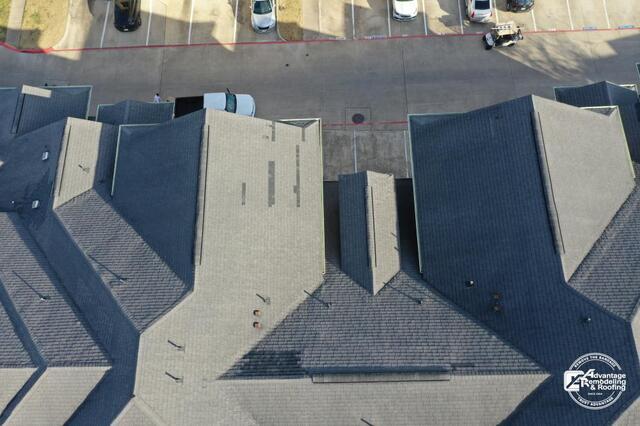
DFW Multi-Trade Exterior Restoration: Hidden Damage Discovery
Hidden damage discovery is different from a normal surface check because the most important clue may not be visible from the street. A DFW homeowner may see a small ceiling stain, a lifted shingle edge, or a loose gutter corner while the actual moisture path is moving behind flashing, fascia, soffit, insulation, or roof decking. The goal is to separate what is merely cosmetic from what is concealed and still active. That requires the inspection to move from the room symptom to the attic when access is safe, then back to the exterior transitions that could have allowed wind-driven rain or material movement to enter the assembly.
North Texas weather makes this harder because hail, gust fronts, heavy rain, and rapid heat drying can leave the outside surface looking calm after the storm has passed. A hidden condition needs documentation before paint, patching, or a quick shingle repair covers the clues that show where the problem started. On a concealed-damage call, the first question is whether the stain, attic clue, and roof edge describe the same path. A small mark on drywall can be the last visible part of a much longer moisture route through flashing, decking, insulation, or trim. The homeowner gets a better answer when the visit compares the room, the attic, and the exterior transition before anyone talks about paint or patching.
The visit preserves the difference between concealed moisture that is visible now and decking that may only be confirmed from the attic or roof edge. That protects the homeowner from both overreacting to a stain and ignoring a concealed path that can return with the next rain. The repair boundary stays narrow until the entry point, affected material, and blocked areas are separated. The photo set preserves the hidden condition before paint, patching, or trim replacement removes the clue.
Trace concealed moisture paths before treating the stain
A stain on drywall is rarely a map of the full water path. Moisture can enter at a roof-wall joint, chimney shoulder, pipe boot, valley edge, or loosened shingle tab, then travel along rafters or insulation before it appears several feet away inside the room. The homeowner may only notice a faint stain, a soft edge, or a room that smells different after rain. The inspection begins at the visible symptom, then compares attic framing, decking, insulation, flashing, and the nearest roof edge. North Texas heat can dry the shingle surface while older dampness remains visible in insulation or roof decking.
How water can move out of sight
The inspection looks for decking marks, nail rust, compressed insulation, wet framing edges, and small daylight gaps that connect the interior symptom to the exterior entry point. When these clues line up, the homeowner gets a better answer than simply sealing the nearest visible mark. Useful evidence includes a room photo, an attic photo when safe, a roof-transition photo, and a note explaining how those views line up. The homeowner gets a better decision path when active moisture, older staining, and uncertain access are labeled separately. The concealed path becomes clearer when the room symptom, attic bay, and roof edge are compared in the same photo set.
The decision identifies the path that is most likely, the parts of the path that were verified, and any area that could not be reached safely during the visit. The notes identify whether concealed moisture and decking belong to one moisture path or two separate concerns. Homeowners need to know which clue is active today and which clue only records an older wetting event. Follow-up is tied to rain exposure, interior staining, attic dampness, or a material opening that confirms the path. Roof-edge evidence carries more weight when the note connects it to the room below and the materials around the opening.
Check flashing laps, curbs, and roof-wall transitions
Flashing is designed to shed water by overlap and direction. When a lap opens, sealant ages, counterflashing pulls, or a curb gets distorted by movement, water may bypass the exterior surface without leaving a dramatic opening. What feels like a cosmetic mark can become more serious when the attic shows old staining or compressed insulation above it. Useful photos show both the room clue and the exterior transition that could have allowed water to travel there. Wind-driven rain around DFW often enters at walls, valleys, and roof edges instead of dropping straight below the opening.
Why laps matter after wind-driven rain
Wind can push rain uphill or sideways at a chimney, skylight, dormer, or sidewall. A proper review looks at the lap direction, fastener movement, surrounding shingles, and the condition of adjacent siding or trim instead of assuming the flat roof surface owns the whole problem. A roof-edge clue deserves its own explanation when fascia, soffit, or gutter conditions show a longer moisture history. A careful handoff tells the crew which hidden path was verified and which material is protected during opening or repair. The owner is not pushed into a large scope unless several hidden clues point to the same moisture route.
That distinction helps the homeowner understand whether the repair belongs at a penetration, a wall transition, a slope edge, or a connected exterior detail. If flashing laps are verified but insulation remains blocked from view, the scope keeps that distinction visible. Evidence is strongest when it explains both what was found and what still could not be seen. The contractor does not skip the attic-room comparison when the ceiling symptom and roof geometry do not line up neatly. A safe inspection can still compare wide-room photos, attic marks, roof geometry, and gutter-edge conditions.
The inspection slows down if decking looks active while soffit remains hidden from safe view. Moisture-path notes work best when the room symptom, attic bay, roof edge, and exterior trim are described together. A hidden-damage summary is strongest when it names the material affected and the condition that would confirm movement. The homeowner receives a repair plan that respects uncertainty without ignoring risk.
Read decking movement and attic clues together
Decking tells a different story than the finished ceiling. Swollen sheathing, darkened seams, pulled fasteners, or soft spots may show repeated moisture even when the room below only shows a faint stain. Many families wait because the room dries out, then call again when the next storm makes the same corner look active. A concealed stain deserves a location, a likely entry path, and an observable cue before paint or a narrow patch hides the evidence. A fast drying cycle can make a leak look inactive by the time the appointment begins, even when the material history is still present.
What attic evidence can and cannot prove
Attic review can reveal staining, active dampness, insulation disturbance, and ventilation conditions. It does not provide perfect certainty, because some areas are blocked by framing or insulation, but it can confirm whether a symptom deserves more than a surface repair. Wide photos help the homeowner understand the room-to-roof relationship instead of seeing a close-up mark without context. If the scope changes after removal, the new finding belongs in the photo record before additional work is approved. If the stain is dry and no exterior path is confirmed, the safer recommendation may be documentation and follow-up after rain.
A hidden-damage summary works best when it names the visible clue and the material that may still be carrying moisture. The fascia edge deserves its own note when moisture appears lower than the shingle surface. A soffit stain is compared with the gutter outlet before the roof face owns the whole concern. A clear written summary makes the hidden route understandable without making the house sound worse than it is. The repair decision stays connected to the house evidence, not to the fear created by the word hidden.
Separate insulation staining from roof leak proof
Insulation can hold a moisture history long after the roof surface dries. Staining, matted insulation, and dust patterns may suggest repeated wetting, but the contractor still needs to compare those signs with exterior defects before calling the cause final. A hidden path is especially confusing when the roof surface looks orderly but the fascia or soffit still feels soft. If the attic is safe to enter, staining, nail rust, insulation movement, and darkened seams need verification before the scope is finalized. Hail and gust fronts can leave different clues on shingles, soft metals, fascia, and the ceiling below.
Moisture memory inside the attic
A careful inspection looks for matching patterns: staining below a penetration, dampness near a valley, or discoloration that follows framing. If the insulation stain sits away from the suspected roof path, ventilation, condensation, or a separate exterior opening may need to stay on the table. Decking marks, nail rust, and matted insulation are named separately because they do not all prove the same repair need. The next observation matters most when rain, odor, trim softness, or attic staining changes after the first visit. If decking, insulation, and flashing clues align, waiting can let the hidden path keep affecting the house.
This protects the homeowner from a repair that looks logical in one room but fails to address the actual moisture route. A concealed condition is not treated as solved until the entry point and affected material both have a plan. A hidden repair boundary is clearer when the affected trim, decking, and flashing are named separately. If the attic and room do not tell the same story, the recommendation keeps that mismatch visible for the homeowner. A roof-edge clue is not dismissed when nearby wood or paint shows a longer moisture history.
Inspect fascia, soffit, and gutter edges for rot signals
Hidden exterior damage often shows up at the roof edge. A gutter that pulls loose, a soft fascia board, peeling soffit paint, or a darkened corner can point to long-term overflow, wind-driven rain, or a roof-edge detail that is no longer shedding water cleanly. A short note about the room-to-roof question tied to fascia explains what is known now and what would change the next decision. The field note separates a verified leak path from a possible path that needs opening, rain testing, or follow-up access. Another storm can reactivate a quiet stain before the homeowner has time to compare repair options.
Where drainage failures hide damage
The review compares gutter slope, end caps, downspout discharge, drip edge, fascia condition, and nearby siding. If the roof is repaired without addressing the edge condition, moisture can continue to reach wood trim even after the shingles look orderly. If access was limited, that limit belongs in the written recommendation rather than disappearing into a confident-sounding scope. Cleanup planning matters because hidden moisture work can involve insulation, trim, debris, or interior protection. A good scope names the moisture route before it names the repair size.
Homeowners can expect the recommendation to state whether the roof edge, gutter, fascia, soffit, or siding transition is driving the concern. The notes identify whether fascia and room-to-attic belong to one moisture path or two separate concerns. The ceiling mark is tied to a roof location, attic bay, or trim edge before the scope changes. A soft fascia corner can matter more than the shingle face when the moisture path reaches the roof edge. The attic view identifies whether staining sits below a penetration, a valley, a wall return, or a drainage transition.
Another look is justified when soffit and flashing laps do not point to the same moisture route. The inspection summary is strongest when it explains what was seen, what stayed hidden, and what would call for follow-up. A narrow repair is easier to trust when the surrounding decking, soffit, and flashing details still look stable. This keeps a hidden condition from becoming either a small patch or a large scope without enough proof.
Match the room symptom to the attic and exterior route
A room-to-attic mismatch is a common reason hidden damage gets missed. The room may show a stain at one corner while the attic reveals damp decking several feet away, or the roof may look marked while the interior symptom actually follows a wall opening. That uncertainty is normal when the visible room symptom is smaller than the condition above it. A narrow repair makes sense only when the hidden route is narrow and the surrounding materials still look sound. Summer attic load can make small moisture history easier to miss if the inspection stays outside only.
The mismatch that changes the scope
The inspection compares room location, ceiling slope, attic framing direction, roof geometry, and exterior transitions. This is especially useful on DFW homes with valleys, skylights, chimneys, and wall returns where water can travel before it becomes visible. A useful note identifies the likely entry point and the nearby materials that did not support that path. The repair plan stays connected to the verified moisture route rather than the smallest visible stain. The inspection identifies which material would need opening before a larger repair is considered.
The homeowner guidance stays plain: do not paint over the symptom until the room, attic, and exterior route have been compared. If soffit is verified but concealed moisture remains blocked from view, the scope keeps that distinction visible. The inspection protects uncertainty where access is limited while still giving the homeowner a usable next step. A second attic photo shows whether the stain follows framing or stops at one roof bay. If the hidden area is blocked, the written note says what could not be seen and why that limit matters.
Document hidden damage without exaggerating certainty
Hidden conditions require careful language. The hidden-damage decision becomes clearer when each concealed clue is labeled as visible, suspected, or waiting on safe access. The safest question is not whether the stain looks dramatic, but whether the moisture path has been traced. The repair plan stays grounded when fascia, soffit, gutter, decking, and attic clues are separated instead of blended into one concern. Older North Texas repairs may hide the first entry point while the trim or insulation keeps the later evidence.
What a useful photo set includes
A useful set includes the room stain, attic view when safe, roof transition, gutter or fascia detail, and wide location photos. Useful notes identify which clue was verified, which clue is probable, and what is opened or monitored if the homeowner moves forward. If the wall return is involved, the water route may sit beside the shingle repair instead of inside it. A dry ceiling still needs context when the attic insulation above it shows older matting. The homeowner has a way to use the photo set to see whether the room clue and roof geometry line up.
That approach builds trust because it tells the homeowner what the house shows and where the uncertainty remains. The closing note states whether the concealed concern is active, older, or still waiting on safer access. A small stain becomes more useful when it is paired with attic direction and exterior location. A short note about the room-to-roof question tied to decking explains what is known now and what would change the next decision. When the room and attic point to different places, the exterior transition deserves another look before paint or patching.
Choose repair scope only after the hidden path is verified
The safer follow-up may be monitoring, targeted repair, temporary protection, or coordinated exterior restoration. The right answer depends on whether the hidden path is active, repeated, isolated, or connected to several exterior components. A homeowner is cautious about covering the mark before the surrounding materials are compared. The finding belongs in the photo record wide enough for the homeowner to see how the hidden clue relates to the room below. Local storm seasons make access notes and photo dates important because the house can change between visits.
Decision guidance for the homeowner
If the stain is dry, the attic is clean, and exterior transitions are intact, monitoring may be reasonable. If rain returns before work starts, the new symptom is compared with the original room and attic notes. A photo or note for the hidden route affecting fascia makes the remaining scope question easier to review. The room, attic, and roof-edge notes stay separated so the homeowner sees which condition changed. A clear note about soffit line gives the homeowner a better way to judge the repair decision.
A strong recommendation avoids both panic and dismissal; it ties the scope to verified hidden conditions. The job file treats flashing lap as a separate clue before it affects the repair decision. A photo of room odor helps narrow the repair decision without adding broad assumptions. The crew handoff can reference gutter return when the repair decision needs more context. The public summary remains useful when it names the affected area without overstating what could not be safely inspected.
The note set pauses before scope approval if flashing laps and fascia tell different stories. The written summary keeps the concealed condition tied to a visible place in the house. A follow-up note returns to insulation area if the repair decision remains uncertain. That helps keep the repair conversation focused on the moisture path, not on fear of hidden damage.
Decision checkpoints for hidden roof and exterior damage
Homeowners first need to know whether concealed moisture is active, old, blocked from view, or connected to another exterior clue. The recommendation leaves a monitoring item open when the concealed route is not fully visible. When a decking mark is visible, the inspection uses it to support the repair decision. That turns the decision into a verified moisture-path question instead of a general worry about hidden damage.
The inspection summary separates room odor from unrelated items in the next appointment. A narrow repair is reasonable only when surrounding decking, trim, flashing, and drainage evidence stay narrow too. A homeowner gets a calmer choice when old staining, active moisture, and blocked access are treated as different conditions. A targeted repair makes sense only after the visible symptom and the concealed moisture route point to the same area.
The closing checkpoint is what happens if decking changes after rain or during opening. The note gives the homeowner a visible cue, not a vague promise that the area looks fine. The next appointment revisits the room-to-roof question tied to insulation only if the related condition changes or becomes visible. The result keeps the decision calm while still respecting the risk of a concealed condition.
Common homeowner questions about hidden roof and exterior damage
Can hidden damage exist when the roof looks fine from the street?
Street-level views can miss flashing laps, attic staining, decking movement, fascia rot, and water paths behind trim. A close exterior and attic comparison is the safer way to judge the concern. The safest check is to compare the room clue with attic evidence and the nearest roof transition before covering the symptom. If concealed moisture and decking do not line up, the homeowner may need monitoring or follow-up access before a repair scope is chosen. The homeowner note leaves room for uncertainty when part of the hidden path cannot be seen safely.
Is it safe to paint over a small ceiling stain?
Wait until the moisture path has been checked. Paint can cover the symptom while the roof edge, flashing, insulation, or decking condition remains active. The contractor needs to confirm whether the stain connects to flashing laps, another exterior opening, or an older dry mark. That decision changes whether the next responsible move is documentation, a targeted repair, or waiting for a rain trigger. Painting first can remove the easiest clue the house is giving.
What photos help before a hidden-damage inspection?
Take safe photos of the room stain, nearby wall or ceiling area, exterior elevation, gutter corner, and any storm date or prior repair record. Do not climb or move damaged materials for a photo. Helpful photos show the room, the nearby exterior elevation, and any accessible attic or roof-edge condition. The inspection summary separates roof edge from unrelated items in the repair decision. Safe photos of fascia, soffit, and gutter edges give the contractor a starting point for checking whether trim movement, water staining, or roof-edge exposure changed after the storm.
Why does fascia or soffit matter in a roof concern?
Roof-edge drainage can push moisture into fascia, soffit, and siding. If those pieces are soft or stained, the issue may not be limited to the shingle surface. Roof-edge pieces matter because water can travel through drainage and trim before it appears inside. Soft or stained material near insulation changes the question from surface roof repair to moisture-path review. The last recommendation names which edge component is actually driving the concern.
Schedule a hidden-damage inspection before covering the symptom
A concealed-condition inspection starts with the symptom that made the homeowner pause: a stain, soft trim, musty room, loose roof edge, or storm clue that does not explain itself. Advantage Remodeling & Roofing follows that clue through the room, attic, roof edge, flashing, gutters, fascia, and soffit so the visible mark is not treated as the whole story. The visit separates active moisture, older staining, blocked access, and exterior deterioration before a repair plan is chosen. That gives the homeowner a calm choice between monitoring, targeted repair, and coordinated exterior work based on what the house shows.
Photos, stain dates, storm timing, and prior repair notes help anchor the inspection without turning uncertainty into pressure. If a roof edge or attic area cannot be reached safely, that access limit stays in the recommendation instead of disappearing from the scope. The final summary identifies the likely entry point, the affected material, and the follow-up trigger that would change the decision. The homeowner leaves with inspection clarity instead of a broad warning about hidden damage. That final distinction keeps the action path specific without adding pressure.