Why Some McKinney Roof Leaks Continue Spreading Long After the Storm Seems Over

A lot of homeowners expect roof leaks to show up in a straight line.
Storm rolls through. Roof takes a hit. Water finds a way in. You spot a ceiling stain. Problem’s right there.
Some inspections go that route.
A lot of them don’t.
We occasionally inspect McKinney homes where the storm passed weeks ago and the homeowner still isn’t sure whether the roofing system took on any real damage yet. Sometimes the roof still appears stable from the ground. No dramatic missing shingles. No major leak showing up. No clear emergency.
Then smaller changes begin gradually.
Humidity tends to linger near attic access after rain. There’s a bit of discoloration by an upstairs vent. One side of the second floor suddenly feels warmer on hot afternoons, even though the HVAC system seems to be working.
Sometimes homeowners catch these changes right away.
Sometimes they just figure the house is reacting to summer.
That uncertainty is fairly common after repeated North Texas storms.
A Lot of Roof Progression Starts Before the Ceiling Ever Changes
One thing that tends to confuse homeowners during inspections is how slowly some moisture pathways form after storms.
The weather event may weaken sections of the roofing system without causing immediate symptoms inside. Later heat cycles, humidity, and more rain keep pressing those same areas little by little.
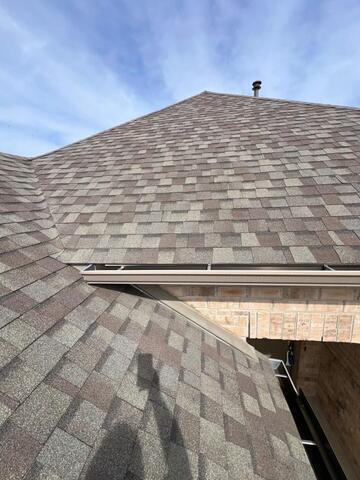
Especially around:
- flashing transitions
- valleys
- upper slope penetrations
- ridge ventilation sections
- chimney intersections
We occasionally inspect roofs where shingles look mostly stable overall, but the roof’s behavior has already started shifting under repeated weather exposure.
Seal strips loosen a bit.
Flashing sections begin separating in places.
Attic airflow shifts slightly near upper decking.
Sometimes insulation reacts to moisture before the ceiling shows anything inside.
That delayed progression usually stays subtle initially. The storm feels finished by the time the roofing system actually starts to show more obvious symptoms.
McKinney Storm Cycles Tend to Layer Stress Gradually
Certain weather in North Texas builds up stress on roofs without always causing dramatic, single-event damage.
We see this around McKinney after periods with:
- hail exposure
- heavy rain
- humidity spikes
- prolonged heat
- extra wind events
all happening in short order.
The roofing system rarely takes that evenly.
One area might keep performing well while another gradually weakens under repeated expansion and contraction cycles.
That uneven progression matters more than most realize.
Especially on roofs that already have prior weather exposure before the latest storm season.
Some Attic Conditions Begin Changing Before Roof Leaks Become Visible
A lot of homeowners expect to see active water before calling for a roof inspection.
But a lot of important inspection findings start inside the attic, long before major interior damage turns up.
We occasionally inspect homes where:
- attic humidity remains above normal after storms
- upper decking holds heat longer than expected
- insulation compression starts showing unevenly
- slight odor shifts develop after repeated rain
- ventilation shifts near ridge areas
Nothing catastrophic initially.
That part often makes it easier to ignore for a while.
Especially if the roof still appears stable from outside.
Then another storm system moves through, and the weaker sections start reacting differently than the rest of the roofing system.
Sometimes that’s when ceiling symptoms finally show up.
Not always immediately, either.
Flashing Areas Usually Continue Carrying Stress Long After Storm Season
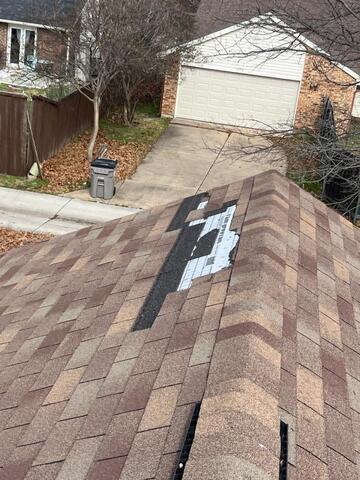 We spend a lot of time during roof inspections checking flashing behavior around transitions.
Particularly near:
- wall intersections
- chimney areas
- vent penetrations
- upper slope transitions
- valley connections
Those spots continue handling moisture and temperature swings long after the original storm passes.
We occasionally inspect roofs where the visible damage is still minor, but moisture progression has already started spreading around surrounding materials underneath.
Sometimes the place water gets in is several feet away from where symptoms appear inside.
That kind of inconsistency tends to confuse homeowners during leak checks.
Especially when attic moisture moves through layered roofing before finally becoming visible inside.
Not Every Roof Problem Escalates the Same Way
This is another thing homeowners sometimes underestimate.
Two houses in the same area can show completely different progression after similar storms.
One roof might start leaking soon after hail.
Another may look stable for months, while smaller deterioration patterns develop under repeated weather cycles.
We occasionally inspect roofs where:
- valleys hang onto moisture longer than expected
- upper decking reacts unevenly to attic heat
- flashing fatigue develops gradually
- ridge ventilation stress increases after storms
- moisture progression stays hidden for a while
Not every inspection reveals major deterioration.
But not every roof that looks “mostly okay” is fully stable either.
That gray area is usually what brings uncertainty after storm season.
Some Homeowners First Notice Temperature Changes Instead of Water
A lot of people expect storm damage to be straightforward.
Sometimes, it’s more about how the house feels.
An upstairs room suddenly won’t cool late in the day. The attic feels heavier after rain. Humidity sticks near hall ceilings longer than before. Certain areas react differently during prolonged North Texas heat after storms.
These smaller changes don’t always look like standard roof leak issues.
But they still show up during inspections, because roofing systems often start changing behavior before you see actual water intrusion.
Especially after multiple storm systems keep stressing already weakened spots, bit by bit.
FAQ
Can roof leaks spread slowly after storms?
Yes.
Some moisture pathways keep developing gradually after repeated heat and rain.
Why do some McKinney roofs still look stable after storms?
Small progression patterns sometimes stay hidden under roofing that appears normal from the ground.
Can attic conditions reveal hidden roof deterioration?
They can.
Humidity, insulation changes, airflow, and decking shifts often show progression before visible ceiling leaks.
Why do flashing sections become vulnerable after storms?
Repeated weather exposure and expansion cycles keep stressing transition areas long after the original storm.
Do all storm-damaged roofs require immediate repairs?
No.
Some inspections reveal only minor progression, and the roofing system stays reasonably stable overall.
Conversion Reinforcement
Not every roof inspection confirms major storm deterioration.
Some help homeowners know the roofing system is still responding as expected after repeated weather.
Others find smaller progression before the next storm season brings more stress.
A lot of McKinney homeowners schedule inspections when the house just feels a bit different after storms—even when the roof still appears stable from the outside.