Roof Vent Pipe Boots in North Texas: The #1 Hidden Roof Leak You Can't Afford to Ignore
ARTICLES
1. Introduction: The Silent Threat Above Your Head
You may not think much about those little white or black pipes poking out of your roof. But as a homeowner in McKinney, TX, overlooking them could cost you big.
At Advantage Remodeling & Roofing, we’ve seen the same story play out over and over: a small leak, invisible for months, quietly causes thousands of dollars in damage—all because of a $10 piece of rubber called a roof vent pipe boot.
This blog will open your eyes to one of the most common, sneakiest ways water gets inside Texas homes. We’ll show you what to look for, how to fix it for good, and why our motto holds true:
Remove the Bandage – Trust Advantage!
2. What Are Roof Vent Pipe Boots?
Let’s start simple:
Your home’s plumbing needs to “breathe.” That’s why plumbers install vent pipes in the roof, which carry sewer gases out and allow water to drain smoothly. Where each pipe exits the roof, there’s a gap that needs to be sealed against rain and wind.
Enter the vent pipe boot:
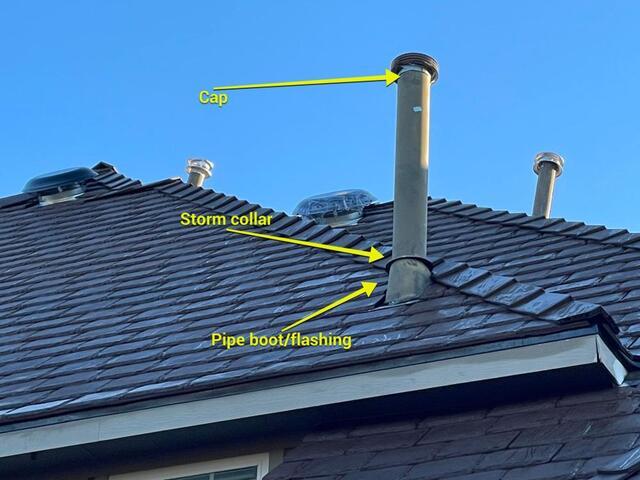
A pipe boot is a collar—usually made of rubber, sometimes metal or silicone—designed to hug the pipe and keep water from sneaking inside. It’s attached to a metal base (flashing) that sits under your shingles, channeling water away.
If that rubber fails… water goes straight down the pipe into your attic, insulation, or between your walls.
3. Why Roof Pipe Boots Fail in Texas
In McKinney and Collin County, our climate is tough on building materials. Most standard pipe boots are made of EPDM rubber. They’re cost-effective, but not built for the long haul in Texas heat.
Here’s why pipe boots almost always fail before your roof does:
Intense Sun & UV Exposure:
Our Texas sun is relentless. UV rays break down rubber, making it brittle and prone to cracking—often in less than a decade.
Extreme Temperature Swings:
Summer highs, winter chills, and even rapid day-night changes cause everything on your roof to expand and contract. The pipe and rubber boot move at different rates, which stresses the seal.
Wind, Rain, and Storms:
During heavy downpours, water is driven into any little gap. High winds can also flex the boots or lift edges, making cracks worse.
Occasional Freeze-Thaw Cycles:
While we don’t see Minnesota’s deep freezes, North Texans do get the odd ice storm. Even a single freeze can expand a tiny crack into a major leak.
Ozone and Air Pollution:
Ozone in the air (especially near urban areas) accelerates rubber degradation.
The result:
A vent pipe boot that looked perfect at year 5 can be leaking by year 10—and most homeowners never notice until they spot a brown stain on their ceiling.
4. How Leaks Develop—and the Hidden Damage They Cause
Unlike shingle leaks, which can be dramatic, pipe boot leaks are stealthy. Here’s why:
Water travels down the pipe:
It doesn’t just drip straight below—it can run along rafters, joists, or even electrical wires.
Hidden rot and mold:
Water trapped in insulation or behind drywall creates the perfect environment for mold, mildew, and wood rot.
Delayed discovery:
By the time you see a stain, you may already have ruined insulation, warped framing, or even electrical issues.
Costly repairs:
What starts as a $100 fix can turn into a $5,000+ restoration project if the leak continues unchecked.
Don’t let a silent leak become a home disaster.
5. Types of Roof Vent Pipe Boots (and How Long They Last)
Choosing the right boot can make all the difference.
| Type | Typical Lifespan (TX) | Installed Cost (New Roof) | Notes |
|---|---|---|---|
| Standard EPDM Rubber | 8–12 years | $25–$55 | Builder default; fails fastest |
| Silicone (Lifetime) | 25–40 years | $65–$110 | Best UV/ozone resistance |
| Lead Collar | 40–75+ years | $125–$195 | “Forever” solution, code-dependent |
| Oatey Master Flash (Silicone) | 25–30 years | $55–$85 | Popular mid-tier upgrade |
| Perma-Boot Retrofit | 15–20 years | $90–$150 | Good for repairs, not new roofs |
| Metal Cone (Copper) | 75+ years | $180–$280 | Rare in residential, high-end |
Pro Tip:
If you’re replacing your roof, always request a pipe boot upgrade. The added cost is tiny compared to the peace of mind.
6. When Should You Replace Pipe Boots?
Timing is everything.
We recommend:
- Replace all boots during any re-roofing project, no matter their age.
- Replace boots on roofs over 8 years old—even if they look “okay” from the ground.
- Replace immediately if you spot cracks, discoloration, or separation.
- Consider retrofitting boots if you’re not ready for full roof replacement but notice wear.
Remember:
Pipe boots almost always fail before the rest of your roof!
7. How to Inspect Your Roof Pipe Boots
You don’t have to be a pro to spot trouble. Here’s how:
Walk Around Your Home:
With binoculars, check the base of each vent pipe where it meets the roof.
Look for:
- Cracks, splits, or dry, chalky rubber
- The boot pulling away from the pipe
- Staining on shingles below the boot
- Moss, debris, or uneven flashing
Inside the Attic:
- Dark stains around pipe penetrations
- Rusty nails or fasteners
- Damp insulation or musty smells
Ceiling Stains:
If you see one, don’t wait—call a pro immediately.
Safety Note:
Never climb onto your roof unless you’re experienced and have the right equipment. When in doubt, book a professional inspection—Advantage Remodeling & Roofing offers free local roof checks!
8. Repair vs. Replacement: Making the Right Call
Minor Issues:
Sometimes, a small crack can be sealed with roofing caulk for a short-term fix.
This is only a “bandage”—not a solution!
Major Wear or Leaks:
The only reliable fix is to replace the boot, and this approach is the only proper solution for roof repair.
For older roofs or boots, a full replacement is the best way to stop leaks for good.
Our Promise:
At Advantage Remodeling & Roofing, we don’t just cover up problems.
Remove the Bandage – Trust Advantage!
We fix the issue at the root—no shortcuts, no patch jobs.
9. What’s the Cost to Replace a Pipe Boot in McKinney, TX?
Here’s what North Texas homeowners can expect:
During a roof replacement:
$25–$110 per boot, depending on material and roof complexity.
Standalone replacement:
$250–$450 each, due to the labor of lifting shingles and resealing.
Retrofit boots:
$90–$150 each; less invasive and perfect for mid-life roofs.
Value Tip:
Replacing all boots during a re-roof is a tiny share of your total investment, but it’s the best insurance against hidden water damage.
10. Why Most Insurance Won’t Cover Pipe Boot Leaks
Most homeowners assume that insurance will step in if a leak ruins their ceiling. Unfortunately, that’s rarely the case.
- “Wear and tear” is almost always excluded.
- Insurance typically covers sudden, accidental damage—not gradual leaks from old boots.
Translation:
If a cracked boot leaks for months, the cleanup is your responsibility.
Prevention is your best (and cheapest) protection.
11. Smart Upgrades: Silicone, Lead, and Retrofit Boots
Not all boots are created equal. Here’s how you can make your next replacement the last one you’ll need for decades:
Silicone Boots
- Far outlast standard rubber
- Resist UV, ozone, and heat
- Only a small upgrade fee
Lead Collars
- The old-school, “forever” solution
- Soft metal forms a perfect seal
- May be limited by local code
Retrofit Boots (Perma-Boot, etc.)
- Designed to fit over existing, failed boots
- Quick, non-invasive, and affordable
- Great for extending roof life
Ask for these options during your next roofer visit—at Advantage Remodeling & Roofing, we always recommend the best fit for your home and budget.
12. What to Ask on Your Next Roofing Estimate
Don’t leave your protection to chance. When you’re getting a quote, be sure to ask:
- Are all vent pipe boots included in the estimate?
- What material/type will be used for replacements?
- How many boots are covered, and what’s the cost for extras?
- Will you inspect for hidden leaks in the attic?
- Do you offer upgraded options (silicone, lead, retrofit)?
- Is all work compliant with McKinney and Collin County building codes?
Advantage Tip:
A reputable contractor will gladly walk you through these answers. If they’re vague, keep shopping!
13. FAQs
How long do pipe boots last in Texas?
Standard rubber: 8–12 years. Silicone: 25–40 years. Lead: 40–75+ years.
Can I replace a boot myself?
Possible, but risky. Incorrect installation can cause more leaks, damage shingles, or void your roof warranty.
How often should I inspect my pipe boots?
Every year, and after major storms or at 8+ years roof age.
What’s the best pipe boot for my home?
Silicone boots offer the best value for most Texas homes. For historic or high-end properties, lead collars may be preferred if allowed.
Can a leaking boot cause serious damage?
Absolutely. The leak path often runs inside walls or attics, causing rot, mold, and expensive interior repairs.
Will insurance pay for a slow leak?
Almost never. They cover sudden damage, not gradual wear.
14. Conclusion: Remove the Bandage—Trust Advantage!
At Advantage Remodeling & Roofing, we know that small details can make the most significant difference in protecting your home.
Don’t let a $10 part turn into a $10,000 headache. Our team is local, experienced, and committed to long-term solutions, not temporary fixes.
Remove the Bandage – Trust Advantage!
For honest roof inspections, expert repairs, and the best upgrade options in McKinney and Collin County, call us today. We treat your home like our own—because we’re your neighbors, too.