Don't Ignore the Leak : A real Roof Inspection Story From Plano
Uncovering Hidden Dangers: A Roof Inspection in East Plano After This Year’s Storms
North Texas has seen its share of severe weather in 2025, with multiple hail events pounding the DFW area, including a notable storm on June 1 that brought hail up to 3 inches across Plano and surrounding communities. These storms don’t just dent cars—they compromise roofs, leading to leaks that can go unnoticed until interior damage sets in. Recently, a homeowner in east Plano reached out to us after noticing a persistent leak following heavy rains from one of this year’s intense storms. What started as a simple leak check turned into a revealing inspection that highlighted years of accumulated issues. Here’s the story—and why it matters for any homeowner in our hail-prone region.
The Call: A Leak Sparks Concern
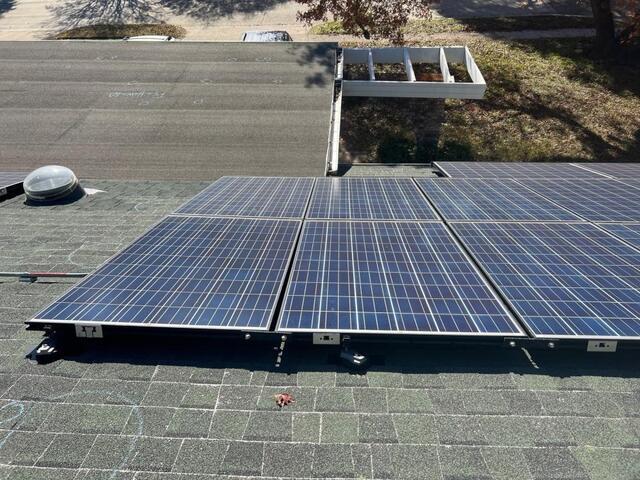
The homeowner reported water dripping inside after recent heavy storms, a common issue we’ve seen spiking this year. We scheduled a prompt visit, knowing that delays can turn minor leaks into major repairs. Upon arrival, the home featured sleek Tesla solar panels integrated into the roof—a modern upgrade that adds complexity to any roofing work, as panels must be carefully removed and reinstalled during replacements.
Climbing up, I immediately noted the shingles: labeled as 30-year architectural but clearly about 15 years old, showing significant wear.
On the Roof: Signs of Past and Present Damage
Walking the roof revealed a laundry list of problems:
• Hail Damage, Old and New: Bruising and granule loss from older storms, compounded by fresh impacts from 2025 events. Plano saw multiple hail reports this year, with stones large enough to crack shingles and reduce their protective ability.
Wind Damage: Many shingles had lifted or curled, with the adhesive strips no longer sealing properly—a sign of age and storm exposure allowing water to infiltrate.
• Improper Installation Clues: The ridge vent was assembled in an unusual way, not following standard best practices. Worse, the roof mixed 3-tab and architectural shingles—two different types that don’t perform or install the same. This mismatch screams cut corners and cheap workmanship from a previous roofer, leading to uneven wear and tear
Soft Spots Everywhere: As I carefully walked the slopes, numerous areas felt spongy underfoot—clear evidence of water penetration saturating the underlying decking.
These findings pointed to a failing system, so I knew an attic inspection was next.
Into the Attic: Confirmation of Severe Decay
Armed with a flashlight, I entered the attic and was hit with the worst: widespread wet and rotting decking. Moisture had penetrated for some time, causing plywood or OSB to soften, mold, and decay. This isn’t just cosmetic—rotten decking compromises the roof’s structural integrity and can lead to collapse risks if ignored.
The entire roofing system had failed, likely exacerbated by the improper original installation and unchecked storm damage over the years.
The Takeaway: Don’t Wait for Leaks to Act
This east Plano home is a textbook example of how small issues snowball in Texas weather. Hail and wind from 2025 storms were the tipping point, but poor prior work set the stage. We documented everything with photos for the homeowner’s insurance claim—often, accumulated damage like this qualifies for a full replacement.
If you’ve experienced leaks or storms this year, get a professional inspection ASAP. Solar panels add a layer, but reputable roofers handle them safely. Proactive checks can save thousands and prevent health hazards from mold.
Experiencing similar issues? Contact us for a free inspection—we’re here to help North Texas homes stay strong. Stay dry out there!
Advantage Remodeling and Roofing Co
Remove the Bandage - Trust Advantage!
Don’t ignore the pain
We’re here for peace of mind